


Watch it
New backpack collection of year

With more than 10 years of experience

Return within the first 3 months, one year warranty on all products.

Lorem Ipsum is simply dummy text of the printing and typesetting.

Charge all your gadgets with expansion batteries and a USB port in every pocket.
No need to unpack. A single cable charges the bag and all your gadgets.


Control charge levels on the customizable AMPL SmartAPP dashboard. Get alerted if you leave your bag behind.

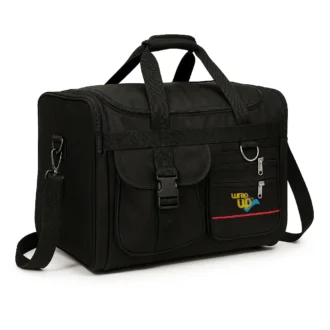
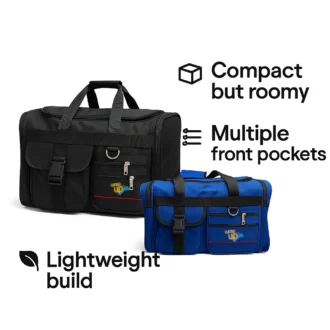
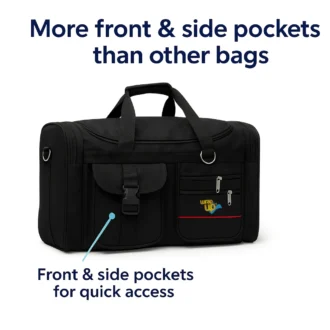
Choosing the right carry-on weekender bag can make a short trip noticeably easier. Instead of checking luggage, waiting at baggage claim, or carrying an oversized suitcase, you can keep your essentials organized and close at hand. ✈️
However, not every weekender bag works equally well for air travel. Size, weight, materials, organization, and carrying comfort all matter. In addition, airline baggage policies can differ, so a bag that works perfectly on one flight may not meet another carrier’s limits.
Therefore, choosing wisely is about more than finding a stylish bag. A smart traveler looks for a practical balance between capacity, portability, durability, and design. Whether you are planning a weekend escape, a quick business trip, or a two-day city break, the right bag can simplify every stage of the journey.
For many travelers, a traditional suitcase is simply more luggage than a weekend trip requires. A carry-on weekender bag, on the other hand, provides enough room for clothing and essentials without adding unnecessary bulk.
First, soft-sided travel bags are generally easier to maneuver through airports, hotels, rideshares, and train stations. Moreover, their flexible construction can make it easier to use available space efficiently.
In addition, a weekender can be useful after the flight. Unlike a rigid suitcase, it can often transition naturally from airport luggage to hotel bag, road-trip companion, or overnight bag.
Most importantly, a carefully selected bag encourages smarter packing. Because space is limited, travelers tend to focus on what they actually need. As a result, the entire trip can feel lighter and more organized. 🧳
A well-designed weekend travel bag should adapt to different situations. For example, sturdy handles are useful when moving quickly through security lines. Meanwhile, an adjustable shoulder strap can make longer walks more comfortable.
Additionally, some travelers prefer bags that can sit securely on top of rolling luggage. Therefore, features such as a luggage sleeve can become surprisingly valuable when navigating a large airport.
Ultimately, flexibility matters because travel conditions change throughout a journey.
A carry-on weekender bag is useful only when its dimensions work with the airline you are flying.
Many U.S. carriers use carry-on limits around 22 x 14 x 9 inches, although policies vary by airline and ticket type. Other carriers may permit different dimensions. Therefore, never assume that one measurement is universal.
Furthermore, international carriers may apply different size or weight restrictions. Some airlines focus primarily on dimensions, while others enforce weight limits more closely.
Consequently, the safest approach is simple: check your airline’s current carry-on policy before every trip.
When checking dimensions, measure more than the main compartment. Wheels, handles, exterior pockets, and other fixed elements can affect the bag’s total size.
In addition, remember that soft-sided bags expand when packed. Although that flexibility is useful, overpacking can turn a compliant bag into one that no longer fits comfortably in a baggage sizer.
Therefore, avoid buying solely according to advertised capacity in liters. Instead, compare the actual exterior dimensions with the requirements of airlines you frequently use.
Airline baggage dimensions and airport security regulations are separate issues.
For example, the Transportation Security Administration applies specific rules to liquids and other items transported through U.S. security checkpoints. Therefore, before packing toiletries or unusual items, review the official TSA Liquids Rule.
As a result, you can avoid unnecessary repacking, confiscated items, or delays at security. 🔍
Once you know your preferred size range, the next step is evaluating functionality.
A good carry-on weekender bag should help organize your belongings while remaining comfortable to carry. Moreover, the best features are not necessarily the most complicated ones. Instead, they are the features you will actually use throughout the trip.
Every pound matters when traveling.
A heavy bag consumes part of your baggage allowance before you pack anything inside. Therefore, lightweight construction is especially important for travelers who frequently fly with carriers that enforce weight limits.
At the same time, lightweight should not mean fragile. A practical travel bag should balance reduced weight with sufficient reinforcement around handles, zippers, seams, and stress points.
One giant compartment may appear spacious; however, it can become frustrating once everything is mixed together.
Instead, look for practical organization. For example, separate areas for toiletries, electronics, documents, shoes, or smaller accessories can make items much easier to find.
In addition, an exterior pocket can be useful for items you need while moving through the airport, such as headphones or charging cables.
Nevertheless, more pockets are not automatically better. Too many compartments can reduce usable packing space. Therefore, choose organization based on your personal travel habits.
A fully packed weekend bag can become surprisingly heavy.
For that reason, padded or comfortable handles are important. Likewise, an adjustable shoulder strap can distribute the load more effectively.
Moreover, travelers who frequently combine a weekender with a rolling suitcase may benefit from a trolley or luggage sleeve. As a result, they can move both bags together instead of carrying the full load on one shoulder.
Material affects durability, appearance, maintenance, weather resistance, and weight. Therefore, it should be one of the main considerations when selecting a carry-on weekender bag.
Synthetic fabrics such as polyester and nylon are popular because they can combine durability with relatively low weight.
Moreover, many synthetic travel bags offer some resistance to moisture and everyday wear. As a result, they can be practical for frequent travelers who prioritize functionality.
However, construction quality still matters. Strong fabric cannot compensate for weak stitching or poor-quality zippers. Therefore, consider the complete build of the bag rather than the fabric alone.
Canvas offers a classic, casual appearance and can provide impressive durability.
In addition, its flexible structure works well for weekend travel because the bag can adapt to different loads. However, water resistance varies depending on the treatment and construction of the material.
Therefore, travelers who regularly encounter rain or changing weather should consider how the specific bag handles moisture.
Leather offers a more polished and professional look. Consequently, it can appeal to business travelers or anyone who values a sophisticated travel aesthetic.
However, genuine leather is generally heavier than many synthetic alternatives. In addition, it can require more maintenance.
For travelers trying to minimize every ounce of carry-on weight, therefore, a lightweight synthetic material may be more practical.
There is no single perfect bag for every traveler. Instead, the best choice depends on how you move, what you carry, and where you are going.
Duffel-style bags are among the most versatile options for short trips. Their flexible shape usually provides generous usable space, while wide openings can make packing easier.
Moreover, a duffel can work for leisure trips, road travel, short business journeys, and even non-travel uses.
If versatility is your main priority, therefore, this style deserves serious consideration.
Totes provide fast access and a cleaner, more streamlined silhouette.
For example, they can work well for a one-night stay, personal-item use, or travelers carrying lighter loads. However, shoulder comfort becomes increasingly important as the bag gets heavier.
Therefore, a tote is generally best when you plan to pack selectively.
A wheeled bag can reduce the strain of carrying luggage through long airport terminals.
On the other hand, wheels and handles add weight and take up some internal space. Consequently, travelers should compare the convenience of rolling luggage with the lighter construction of a traditional soft bag.
For longer walks or heavier loads, however, wheels may be worth the trade-off.
Even the best bag cannot compensate for inefficient packing.
Fortunately, a few simple strategies can dramatically increase usable space. In addition, organized packing makes it easier to find what you need without unpacking your entire bag.
Start by planning complete outfits.
For example, choose pants or shorts that work with multiple tops. Likewise, use neutral or coordinated colors so several pieces can be mixed and matched.
As a result, you can create more combinations with fewer garments. 👕👖
Moreover, check the expected weather before leaving. Instead of packing separate bulky outfits for every possible temperature, use lightweight layers whenever practical.
Rolling certain clothing can reduce wasted space and help keep items compact.
However, structured garments may stay neater when folded. Therefore, use a combination rather than applying one packing method to everything.
In addition, packing cubes can help separate categories such as clothing, underwear, electronics, and accessories.
Shoes consume a large amount of luggage space.
Therefore, wear your bulkiest practical pair during transit whenever possible. Then, pack only one additional versatile pair if your itinerary requires it.
Furthermore, use the inside of packed shoes for small items such as socks. As a result, even otherwise unused spaces contribute to efficient packing.
Do not bury everything at the bottom of the bag.
Instead, keep frequently used items in an easy-to-reach compartment. For example, headphones, a charging cable, medication, or travel documents may need to be accessed quickly.
Consequently, thoughtful organization can save time throughout the airport experience.
A large bag is not automatically a better bag.
In fact, buying the biggest possible carry-on weekender bag can encourage overpacking. Once filled, the bag may become uncomfortable to carry or exceed an airline’s limits.
Similarly, choosing solely according to appearance can create problems later. A stylish bag with uncomfortable straps, weak zippers, or poor organization may quickly become frustrating.
Another common mistake is ignoring the empty weight of the bag. Although a heavier material may feel premium, it can leave less available weight for your belongings.
Finally, do not assume that a bag labeled “carry-on” is automatically accepted by every airline. Because carrier policies vary, always compare actual dimensions with your itinerary before traveling.
Good travel gear should be maintained, not simply replaced.
For synthetic bags, regular wiping with a damp cloth can remove everyday dust and marks. However, always follow the manufacturer’s care instructions before applying cleaning products.
Canvas may benefit from gentle spot cleaning. Meanwhile, leather usually requires specialized products and more careful moisture management.
In addition, empty the bag completely after returning home. Allow it to dry before storage, especially if it was exposed to humidity.
Moreover, storing the bag loosely filled with clean tissue or another lightweight material can help preserve its shape.
As a result, basic maintenance can extend the useful life of your travel gear and protect the value of your purchase.
The smartest purchase is not necessarily the largest, most expensive, or most complicated option.
Instead, think about your typical trip. Do you usually travel for two nights or four? Do you carry a laptop? Do you walk long distances through airports? Do you travel with another suitcase? Do you prefer everything organized into separate sections?
Once you answer those questions, the features that matter become much clearer.
For example, a business traveler may prioritize a polished design, device organization, and luggage sleeve. On the other hand, a leisure traveler may value flexible capacity, lightweight materials, and easy-access storage.
Therefore, the ideal carry-on weekender bag is the one that matches your real travel routine.
Short trips should feel simple. Therefore, your luggage should support that goal rather than complicate it.
A thoughtfully selected carry-on weekender bag can provide enough room for your essentials while helping you stay organized, mobile, and prepared. Moreover, by considering airline dimensions, bag weight, materials, carrying comfort, and organization before buying, you can choose travel gear that continues to work trip after trip.
If you are ready to upgrade the way you travel, explore WrapUp travel bags and discover practical options designed for modern trips.
Smart travel starts with the right bag.
👉 You may be interested in: Student Backpacks With Compartments: Smart Buying Guide

Choosing the right student backpacks with compartments can make school, commuting, and travel much easier. 🎒 After all, students rarely carry only books anymore. Laptops, chargers, headphones, notebooks, water bottles, snacks, and personal items often travel together every day.
Therefore, organization matters almost as much as capacity. A backpack with several dedicated spaces can reduce clutter and make important items easier to reach. Moreover, the right design can help protect electronics while keeping everyday essentials separated.
However, not every backpack with several pockets offers the same experience. Size, comfort, durability, weight, and layout can vary significantly. Consequently, knowing what to compare before buying can help you choose a bag that works for both school and travel.
A traditional backpack often gives you one large space for everything. As a result, books, cables, pens, and personal items can quickly become mixed together.
Student backpacks with compartments solve that problem by assigning different areas to different purposes. For example, a padded laptop section can protect a computer from heavier books. Meanwhile, smaller pockets can keep chargers, pens, keys, and accessories organized.
In addition, separate sections help students access important items faster. Instead of searching through the entire backpack, you can reach directly for the compartment you need.
This becomes especially useful between classes. Likewise, commuters can benefit when they need headphones, a transit card, or a phone charger quickly.
Another advantage is flexibility. Many students move between school, work, the gym, and social activities during the same day. Therefore, a backpack that separates academic materials from clothing or personal gear can simplify that routine.
A good backpack should do more than hold your belongings. Instead, it should help you organize them without creating unnecessary bulk.
For many students, a laptop is one of the most valuable items inside the backpack. Therefore, a dedicated padded compartment should be high on the priority list.
Ideally, the laptop section should keep the device separated from books and other heavy objects. In addition, padding along the back and bottom can add another layer of protection.
However, always check the supported laptop size before buying. A compartment designed for a 13-inch laptop may not accommodate a larger device comfortably.
Moreover, the compartment should allow easy access. This matters particularly for students who regularly remove their laptops in libraries, classrooms, or airport security areas.
More capacity does not automatically mean a better backpack.
For example, an oversized backpack may encourage you to carry more than necessary. As a result, the bag can become heavy and uncomfortable.
Instead, consider what you normally carry during a typical school day. Books, a laptop, a notebook, water, and small accessories may require less space than you expect.
On the other hand, students who travel frequently may benefit from additional room for clothing or travel essentials.
Therefore, the best size should match your actual routine rather than the largest capacity available.
Multiple compartments can improve organization. However, too many unnecessary pockets can create another problem.
If you cannot remember where anything is stored, the design has stopped being helpful.
Therefore, look for a logical layout. A practical backpack usually includes a few clearly defined zones instead of dozens of tiny pockets.
For example, an effective setup may include:
Moreover, each section should be easy to open and close. Smooth zippers and wide openings can make a noticeable difference during a busy day.
Students often carry backpacks for long periods. Therefore, comfort should never become an afterthought.
Padded shoulder straps can reduce pressure on the shoulders. Likewise, a cushioned back panel can improve comfort during longer walks.
Adjustable straps are also important. They allow the backpack to sit closer to the body instead of hanging too low.
As a result, the weight may feel more balanced.
However, padding alone does not make a backpack comfortable. The overall shape and weight distribution also matter.
For that reason, heavier items should usually stay close to your back. Meanwhile, lighter items can go toward the front or upper sections.
This simple packing strategy can make the backpack feel more stable while walking.
A low price can be attractive, especially for students. However, replacing a damaged backpack every year can cost more in the long run.
Therefore, durability deserves careful attention.
Look for strong stitching around handles and shoulder straps. In addition, inspect the zippers, because they experience frequent use.
Water-resistant materials can also provide extra protection. While they may not make the backpack completely waterproof, they can help during light rain or accidental spills.
Moreover, reinforced bottoms can protect the bag when it repeatedly touches classroom floors, public transportation, or airport surfaces.
As a result, paying slightly more for better construction may provide better overall value.
A backpack already has to carry books, electronics, and personal items. Therefore, the bag itself should not add unnecessary weight.
Lightweight materials can help reduce the total load. However, they should still provide enough structure to protect what you carry.
This balance matters because extremely thin materials may wear out quickly.
On the other hand, overly rigid designs can feel bulky even when the backpack is almost empty.
Consequently, the best option often combines lightweight construction with reinforcement in high-stress areas.
School and travel needs often overlap.
A student may use the same backpack for class during the week and a weekend trip afterward. Therefore, versatile compartments can provide more value than a highly specialized school-only design.
A larger main compartment can hold a change of clothes, a light jacket, or gym gear.
Moreover, keeping clothing separated from electronics can help maintain better organization.
This feature becomes particularly useful for students who stay on campus all day or travel between cities.
Some items need to remain easy to reach.
For example, a phone, passport, wallet, transit card, or earbuds should not require opening the entire backpack.
Therefore, an external zippered pocket can be extremely useful.
However, valuable items should still remain secure. For that reason, hidden or inward-facing pockets may offer additional peace of mind while traveling.
Side pockets may seem simple, but they can prevent spills inside the main compartment. 💧
In addition, they keep water separated from laptops, books, and documents.
Therefore, a secure bottle pocket can be one of the most practical everyday features.
Even the best backpack can feel uncomfortable when packed poorly.
Therefore, start by grouping similar items together.
Place books and notebooks in the main compartment. Meanwhile, use smaller organizer pockets for pens, chargers, and cables.
Next, position heavier items close to your back. This placement can improve balance and reduce the feeling of the backpack pulling backward.
In addition, store your laptop inside its dedicated padded sleeve instead of the main compartment.
Small essentials should stay in easy-access pockets. For example, keys, earbuds, and identification can go near the top or front.
However, avoid filling every available pocket simply because it exists.
Instead, leave some room for unexpected items during the day.
As a result, your backpack will remain more flexible and easier to organize.
Prices for student backpacks can vary significantly. However, price alone does not determine value.
Some features can justify a higher cost because they improve everyday usability.
For example, padded laptop protection may be valuable if you carry expensive electronics daily.
Likewise, stronger zippers and reinforced stitching can increase durability.
In addition, water-resistant fabrics may help protect books and electronics in changing weather.
Ergonomic shoulder straps can also improve comfort during longer commutes.
However, features such as built-in charging ports should match your real needs. If you rarely use a power bank, that feature may add little value.
Therefore, prioritize the functions you will actually use instead of choosing the backpack with the longest feature list.
Students can find backpacks across a wide range of prices.
Budget options may work well for light use. However, they sometimes use simpler materials or less padding.
Mid-range backpacks often provide a stronger balance between durability, organization, and comfort. Therefore, they may suit students who carry their bags almost every day.
Premium models may offer higher-end materials, advanced organization, or specialized travel features.
Nevertheless, a higher price does not always mean a better fit for your needs.
Before buying, compare the construction, storage layout, warranty information, and comfort features.
Moreover, consider how often you plan to use the backpack.
A student who carries a laptop every day may benefit from investing more. On the other hand, occasional users may not need premium features.
A little maintenance can extend the life of a backpack considerably.
First, remove loose dirt regularly instead of waiting for stains to build up.
Next, follow the manufacturer's cleaning instructions. Some backpacks can handle machine washing, while others require gentle hand cleaning.
Moreover, empty every compartment before storing the bag.
Food wrappers, liquids, or forgotten objects can create odors or damage materials over time.
In addition, store the backpack in a cool and dry area away from constant direct sunlight.
Finally, inspect straps and zippers periodically.
A loose thread or small tear is easier to repair before it becomes a larger problem.
Backpack design continues to evolve alongside student lifestyles.
For example, some modern bags include cable routing, charging access, RFID-protected pockets, or modular organization.
Moreover, manufacturers increasingly explore recycled and lower-impact materials.
However, technology should support usability rather than complicate it.
A built-in feature has little value if it adds weight or makes the backpack harder to use.
Therefore, start with the fundamentals: comfort, organization, durability, and fit.
After that, consider smart features that genuinely improve your routine.
The best backpack is not simply the one with the most compartments.
Instead, it is the one whose compartments match the way you live.
If you carry electronics every day, prioritize laptop protection and cable organization.
If you commute by public transportation, quick-access and secure pockets may matter more.
Meanwhile, students who travel frequently may prefer a larger main compartment with flexible storage.
Gym users may need a separate area for clothing or shoes.
Therefore, write down what you normally carry before you start shopping.
Then, compare backpacks based on those needs.
This approach prevents you from paying for features you will rarely use.
Moreover, it helps you focus on comfort and practicality rather than appearance alone.
The right student backpacks with compartments can make everyday school life more organized and travel more convenient. A smart layout helps separate books, electronics, accessories, and personal items without creating unnecessary clutter.
Moreover, good weight distribution, durable materials, and comfortable straps can make a major difference during long days. Therefore, think beyond appearance when choosing your next backpack.
A well-designed bag should fit your routine, protect what matters, and remain comfortable from the classroom to your next trip.
For more functional travel gear and smart travel inspiration, explore WrapUpShop and find options designed around organization, mobility, and modern travel.
Travel smarter — choose gear that works as hard as you do.
👉 You may be interested in: Compression Packing Cubes for Travel: Pack More, Stress Less
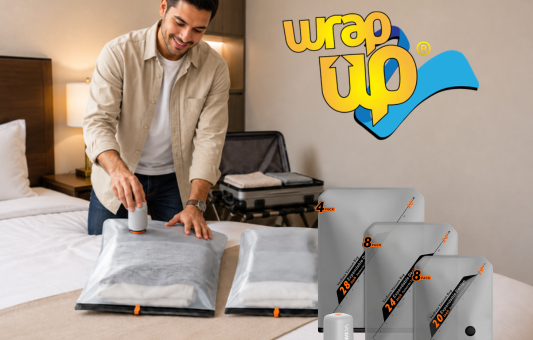
Packing for a trip can feel like solving a puzzle. You have limited suitcase space, several outfits, shoes, toiletries, and travel essentials to organize. Compression packing cubes for travel can make that process much easier. 🧳
Instead of stacking clothes randomly, these travel organizers separate your belongings into manageable sections. More importantly, compression models can reduce the volume of soft items inside your suitcase.
As a result, you can create a cleaner packing system without turning your luggage into a chaotic pile of clothes.
However, compression cubes are not simply about fitting more into a bag. They can also make clothes easier to find, simplify unpacking, and help you use carry-on space more efficiently.
Therefore, choosing the right set can improve both how you pack and how you travel.
Traditional packing often starts neatly and ends in disorder. You open your suitcase once, move a sweater, pull out a shirt, and suddenly everything shifts.
With compression packing cubes for travel, each category stays inside its own compartment. For example, shirts can go in one cube while underwear and accessories stay in another.
In addition, you can separate clean clothing from laundry during your trip. This simple approach helps your suitcase remain organized from departure to return.
Moreover, packing cubes make it easier to see how much you are actually bringing. Instead of squeezing another shirt into an already full suitcase, you can judge available space by cube.
Consequently, they encourage more deliberate packing.
For travelers who move between several hotels, the benefits become even clearer. You can remove one cube without disturbing everything else.
Likewise, unpacking becomes faster because organized cubes can move directly from your suitcase to a hotel drawer.
The biggest difference between standard organizers and compression cubes is the additional zipper system.
First, you fill the main compartment with clothes. Then, you close the regular zipper around the cube.
Afterward, you use the compression zipper to pull the outer layers closer together. This reduces excess volume and creates a flatter package. ✈️
Because clothing contains air between layers, compression can make sweaters, T-shirts, pants, and similar items more compact.
However, a compression zipper does not make the actual weight disappear. Your suitcase may look smaller inside, but every packed item still counts toward airline weight limits.
Therefore, travelers should continue checking baggage allowances before leaving for the airport.
Regular cubes mainly organize your belongings. Compression versions, on the other hand, combine organization with space reduction.
Both options can improve suitcase structure. However, compression packing cubes for travel offer an additional advantage when luggage capacity is limited.
For example, a standard cube may hold several shirts neatly. A compression cube can hold those same shirts while reducing their overall bulk.
As a result, you may gain useful space around the cube for toiletries, another organizer, or small travel accessories.
Nevertheless, compression should remain practical. Forcing too many clothes into one cube can strain seams and zippers.
Instead, use the feature to reduce normal clothing volume rather than treating each cube like an expandable storage bag.
Travel organizers provide several advantages beyond a better-looking suitcase. Most importantly, they create a repeatable system you can use for weekend trips, business travel, family vacations, and longer journeys.
One of the strongest benefits is simple: everything has a place.
For instance, you might dedicate one cube to tops, another to bottoms, and a smaller cube to socks and underwear.
Alternatively, couples can separate belongings by person. Families can also assign different cubes to each child.
Because of this structure, finding a specific garment takes less time.
In addition, your suitcase does not need to be completely unpacked every time you need something.
That difference can be especially useful during short hotel stays or multi-city trips. 🌎
Space is especially valuable when traveling with a carry-on.
Therefore, compression packing cubes for travel can help you use available luggage volume more efficiently.
Bulky garments often consume more room than expected. Sweaters, casual pants, workout clothes, and jackets can quickly fill a suitcase.
However, compressing soft clothing reduces unnecessary bulk.
As a result, you may have more room for other essentials without immediately switching to a larger suitcase.
Still, smart packing matters more than simply adding extra items. The goal should be efficient use of space, not maximum suitcase weight.
Packing cubes create structure before the trip. However, their usefulness continues after arrival.
Instead of unloading individual garments, you can remove each organizer as a unit.
For example, one cube can go into a hotel drawer while another stays inside the suitcase.
Meanwhile, items you need less often can remain packed.
This method also makes repacking easier. Rather than reorganizing the entire suitcase before checkout, you simply return the cubes to their positions.
Consequently, departure mornings can feel much less rushed.
Not every set offers the same functionality. Therefore, consider your luggage size, travel habits, clothing, and trip duration before choosing one.
The best compression packing cubes for travel should balance capacity, lightweight construction, zipper quality, and durability.
A useful set usually includes more than one cube size.
Small cubes work well for underwear, socks, accessories, and other compact items.
Medium cubes, meanwhile, are versatile enough for shirts, shorts, sleepwear, and lightweight clothing.
Large cubes can accommodate pants, sweaters, jackets, or grouped outfits.
However, larger does not always mean better. An oversized cube may become difficult to compress once completely filled.
Therefore, combining several sizes usually creates a more flexible system.
Before buying, consider the interior dimensions of your suitcase as well. Ideally, the cubes should work together instead of leaving awkward gaps.
Packing cubes must handle repeated opening, closing, pulling, compression, and movement.
For that reason, material quality matters.
Nylon and polyester are common because they can provide a useful balance between weight and durability. In addition, some designs include water-resistant finishes for added protection against minor spills or damp surfaces.
However, lightweight construction should not feel fragile.
Check seams, fabric panels, handles, and reinforced areas before relying on a set for frequent travel.
Moreover, breathable or mesh sections can help you identify contents quickly and improve airflow.
Compression creates tension.
Therefore, zipper construction deserves special attention when choosing compression packing cubes for travel.
Smooth zippers are easier to operate when the cube is full. Strong zipper tracks can also reduce frustration when compressing thicker garments.
Meanwhile, dual zipper pulls may make opening and closing more convenient.
Avoid forcing a zipper when fabric becomes trapped. Instead, move the material away from the track before continuing.
This small habit can help extend the life of your travel organizers.
Buying compression cubes is only the first step. Using them strategically makes the real difference.
Both methods can work.
Rolling is especially useful for T-shirts, casual clothing, leggings, and other soft garments. Because rolled items create compact shapes, they often fit neatly beside one another.
Folding, on the other hand, can work better for structured garments.
Therefore, you do not need to use one method for everything.
Instead, match the packing technique to the garment.
For example, roll casual shirts while folding dress clothing more carefully.
Then, compress the cube gradually rather than forcing everything at once.
A simple category system makes your luggage easier to manage.
For example:
Alternatively, you can organize by outfit or travel day.
For a weekend trip, one cube could contain everything needed for the first day. Another could hold clothing for the next.
As a result, you spend less time searching through your suitcase.
Compression space can create temptation.
Because your clothes become flatter, you may think you should keep adding more.
However, that defeats part of the purpose.
Compression packing cubes for travel help organize limited space. They do not change airline weight restrictions.
Therefore, leave enough flexibility for the cube to close without excessive force.
In addition, keeping some free suitcase capacity can be useful for purchases, souvenirs, or clothing changes during your trip.
Smart packing is about balance, not squeezing every possible item into your luggage.
Yes, they can be particularly useful for carry-on travelers. 🎒
Carry-on luggage offers limited space, so organization becomes especially important.
First, smaller cubes allow you to divide your suitcase into predictable sections.
Moreover, compression can reduce the space taken by clothing.
As a result, travel essentials become easier to arrange around the cubes.
However, remember that airlines can have different baggage size and weight requirements.
Therefore, always verify the rules for your specific airline before traveling.
Compression organizers can also make airport situations easier. If you need to rearrange your suitcase, individual sections remain contained.
Consequently, you can make adjustments without turning the contents of your bag into a mess.
Good travel gear lasts longer when you maintain it properly.
First, follow the manufacturer's cleaning instructions. Materials and coatings can vary, so one washing method may not suit every cube.
When possible, remove surface dirt with a damp cloth.
If the manufacturer allows machine washing, use the recommended settings.
After cleaning, let the cubes dry completely before storing them. Otherwise, trapped moisture can create unwanted odors.
In addition, inspect zipper tracks and seams regularly.
If a zipper feels difficult, check for trapped fabric instead of pulling harder.
Likewise, avoid storing heavily compressed cubes for long periods.
When your trip ends, empty them and allow them to return to their natural shape.
These simple habits can protect your investment and keep your organizers ready for the next trip.
Packing does not need to begin with a pile of clothes and end with a suitcase you can barely close.
Instead, a thoughtful organization system can make the entire process easier.
Compression packing cubes for travel combine two useful functions: they separate your belongings and reduce unnecessary clothing bulk.
Therefore, they can be especially valuable for carry-on travelers, organized families, business travelers, and anyone who moves frequently during a trip.
Moreover, the right sizes can help you create a packing routine you can repeat again and again.
You know where shirts belong. You know where small items go. Most importantly, you can open your suitcase without everything shifting at once.
Of course, good cubes cannot replace sensible packing decisions. You still need to consider baggage weight, trip length, weather, and the items you genuinely need.
However, the right organizers can make those decisions much easier to manage.
Ultimately, smarter travel often comes down to small improvements that remove unnecessary friction. 🧳✨
If better organization, compact storage, and easier unpacking matter to you, compression packing cubes for travel are a practical addition to your travel setup.
Travel smarter — explore WrapUp travel gear designed to make every journey more organized, functional, and effortless.
👉 You may be interested in: Durable Luggage With Reinforced Corners: Why It Matters

Travel can be exciting, but your luggage rarely gets the same gentle treatment you give your belongings. Bags are lifted, stacked, pushed, rolled, and sometimes dropped. Therefore, choosing durable luggage with reinforced corners can make a meaningful difference when you travel frequently.
A suitcase does more than carry clothes. Instead, it protects everything you need during your trip. For that reason, durability should be one of the first features you evaluate before buying new luggage.
Reinforced corners may look like a small design detail. However, they protect some of the most vulnerable parts of a suitcase. Moreover, they can help the bag resist impact, maintain its shape, and perform better after repeated trips.
So, what should you actually look for? 🧳 Let’s break down the features that separate durable luggage from bags that simply look strong.
Not every suitcase marketed as “durable” offers the same level of protection. First, the materials matter. Strong fabrics, hard-shell materials, quality stitching, reliable wheels, and sturdy handles all influence performance.
However, the corners deserve special attention. During transportation, corners often absorb direct contact with conveyor belts, vehicle interiors, storage compartments, and other luggage.
As a result, durable luggage with reinforced corners adds protection exactly where repeated stress often occurs.
A well-built suitcase usually combines several important elements:
Therefore, buyers should evaluate the entire construction rather than focusing on a single feature.
Think about how a suitcase moves through an airport. It may travel upright for one moment and lie sideways the next. In addition, baggage can shift during loading or transportation.
Corners naturally become contact points during many of these movements. Consequently, weak corners may show scratches, dents, splits, or structural wear earlier than flatter surfaces.
Reinforcement adds another layer of defense. Depending on the suitcase design, manufacturers may use rubber, molded plastic, additional fabric, or structural panels.
However, reinforcement does not make luggage indestructible. Instead, it helps the suitcase manage everyday travel stress more effectively.
The value of reinforced corners goes beyond appearance. In fact, this feature can influence durability, protection, and long-term ownership costs.
For frequent travelers, those benefits can become especially noticeable.
Airport handling can expose luggage to sudden knocks and pressure. Therefore, the corners need enough strength to absorb repeated contact.
Durable luggage with reinforced corners can help distribute some of that stress instead of concentrating it on a weak edge.
As a result, the suitcase has a better chance of maintaining its structure.
This feature becomes particularly useful for checked luggage. However, carry-on bags can benefit as well. They may hit doorways, overhead compartments, vehicle trunks, and hotel furniture during regular use.
Most luggage eventually shows signs of travel. Nevertheless, good construction can slow that process.
Corners tend to experience more friction than many other areas. Therefore, extra reinforcement helps protect the material from premature abrasion.
In addition, stronger corner construction may reduce the chance of small damage becoming a larger problem.
For example, a minor tear near an unprotected corner can spread after repeated trips. Reinforcement, on the other hand, can provide added structural support around that area.
A suitcase that loses its shape may become harder to close, roll, or store. Moreover, deformation can place extra pressure on zippers and internal contents.
Durable luggage with reinforced corners can provide additional stability at key structural points.
This benefit can be especially important for hard-shell luggage. Although hard shells protect against external pressure, poorly supported corners may still experience dents or stress.
Soft-sided luggage can benefit too. In that case, reinforced fabric or protective panels can help the bag maintain a cleaner, more stable form.
The suitcase itself is only part of the equation. Ultimately, travelers care about what is inside.
When a bag maintains its structure, the contents receive better support. Therefore, clothing, accessories, electronics, and travel essentials face less direct pressure from outside forces.
Of course, fragile items still require proper packing. However, choosing impact-resistant luggage adds another layer of protection.
Reinforced corners work best when the rest of the luggage uses quality materials. Therefore, buyers should never evaluate corner protection in isolation.
Different materials offer different advantages.
Hard-shell suitcases often use materials such as polycarbonate or ABS-type plastics. Generally, these cases provide good resistance against pressure and external contact.
Polycarbonate can flex slightly under stress and then recover its form. ABS-style shells, meanwhile, can offer a balance between weight and affordability.
However, material thickness and construction quality still matter. A weak shell cannot become premium luggage simply because it has reinforced corners.
Soft luggage often uses polyester, nylon, or other woven materials. In addition, manufacturers may add thicker panels around high-stress areas.
These bags can offer flexibility when packing. Moreover, they may include useful external compartments that hard-shell cases rarely provide.
However, check the stitching carefully. Double stitching and reinforced seams can improve durability, especially near handles and corners.
Buying luggage becomes easier when you know which features deserve attention. Instead of choosing only by appearance, evaluate how the suitcase fits your actual travel habits.
First, think about frequency.
Someone who takes one short vacation each year may have different requirements from a weekly business traveler. Therefore, more frequent travel usually justifies paying greater attention to construction quality.
Frequent flyers should inspect wheels, handles, zippers, seams, and corners carefully. In addition, they should consider how easily each component could withstand repeated movement.
Size also affects durability and convenience.
A large suitcase offers more packing space. However, it may become heavier and experience more pressure during handling.
A carry-on, by contrast, stays closer to the traveler. Therefore, it may face less baggage-handling stress.
Still, every airline has its own baggage requirements. As a result, travelers should verify size and weight limits before departure.
Next, examine how the reinforcement connects to the suitcase.
Does it appear integrated into the design? Or does it look like a decorative piece added afterward?
Strong protection should feel secure and intentional. Moreover, it should not create sharp edges or unnecessary bulk.
For soft luggage, inspect the stitching around reinforced areas. For hard-shell luggage, meanwhile, look for molded protection that follows the structure of the case.
A durable shell means little if the handle fails.
Therefore, extend telescoping handles several times before buying when possible. They should move smoothly without excessive movement.
Wheels deserve the same attention. In addition, test how the suitcase changes direction.
Good maneuverability can reduce unnecessary stress on the bag. As a result, you may drag, twist, or force the luggage less often.
Price matters, but purchase price alone does not determine value.
A cheaper suitcase may initially save money. However, replacing it repeatedly can cost more over time.
Durable luggage with reinforced corners may offer better long-term value if you travel frequently. Therefore, think about cost per trip rather than only the checkout price.
Suppose one suitcase survives dozens of journeys while another requires replacement after several trips. In that case, the stronger option may ultimately cost less.
Moreover, reliability has its own value. Travelers generally have enough details to manage without wondering whether their suitcase will survive another flight.
That does not mean the most expensive bag automatically wins. Instead, look for a sensible balance between construction, features, size, weight, and price.
Good luggage should make travel simpler.
When wheels move smoothly, handles feel secure, and the structure remains stable, navigating an airport becomes easier. In addition, durable luggage can reduce distractions caused by damaged components.
Imagine arriving at baggage claim and finding a cracked corner. Suddenly, the next part of your journey becomes more complicated.
However, stronger construction can reduce that risk.
Reinforced corners are particularly useful when you move through several airports, hotels, vehicles, or transportation hubs during one trip. The more your suitcase moves, the more opportunities it has to experience contact.
Therefore, travelers who take multi-destination trips may benefit even more from reinforced construction.
Even the strongest luggage needs care.
Fortunately, simple habits can help preserve the structure and appearance of your suitcase.
First, wipe down the exterior after major trips.
A damp cloth can remove dirt from many surfaces. However, always follow the manufacturer's cleaning instructions for specific materials.
Pay special attention to wheels and corners. These areas often collect dust and debris.
Next, inspect the corners, handles, zippers, and wheels.
Small problems are usually easier to address before they become serious. Therefore, routine inspection can help extend the useful life of the suitcase.
For example, a loose wheel may place uneven stress on the frame. Similarly, a damaged zipper can put pressure on surrounding fabric.
Storage also matters.
Keep luggage in a dry area when possible. In addition, avoid leaving extremely heavy objects on top of an empty suitcase for long periods.
Proper storage helps maintain shape. As a result, the suitcase will be better prepared for the next journey.
At first glance, two suitcases may look almost identical. However, structural details often separate better travel gear from basic alternatives.
Standard corners rely mostly on the primary shell or fabric. Reinforced corners, meanwhile, add material or support in high-contact areas.
Therefore, the main difference becomes most apparent over time.
A standard suitcase may work perfectly for occasional travel. On the other hand, frequent travelers may place greater value on added impact protection.
Neither design guarantees a specific lifespan. Still, stronger construction can improve the odds of longer service when other components are equally well made.
Before purchasing new luggage, compare the complete package. 🧠
Instead of asking only, “Does this suitcase look good?” ask more useful questions:
Most importantly, decide whether the suitcase matches the way you actually travel.
For travelers looking for practical options, exploring the WrapUp travel collection can help compare luggage styles, capacities, and travel-friendly designs.
Travel gear should support the journey rather than become another problem to manage.
Therefore, choosing durable luggage with reinforced corners can be a practical investment for travelers who value protection and long-term use. Reinforcement can reduce wear in vulnerable areas, improve structural stability, and help protect what you pack.
However, remember that the best suitcase combines several qualities. Strong materials, reliable wheels, sturdy handles, secure zippers, and thoughtful design all matter.
Ultimately, smart travel starts with equipment that fits your real needs. 🧳✨
Explore WrapUp and find durable, functional travel gear designed to help you pack smarter and travel with greater confidence.
👉 You may be interested in: Best Luggage for Solo Women: A Smarter Guide to Traveling Independently

Traveling alone can be exciting, empowering, and incredibly flexible. However, it also means you are responsible for moving, protecting, organizing, and keeping track of everything you bring. For that reason, choosing the best luggage for solo women is about much more than finding a suitcase that looks good.
The right travel bag should make airports easier, hotel transfers smoother, and everyday movement more comfortable. Moreover, it should help you stay organized without forcing you to carry unnecessary weight. ✈️
Whether you are taking a weekend city break, flying across the country, traveling internationally, or planning a longer vacation, your luggage becomes part of your travel system. Therefore, size, wheels, security, organization, durability, and versatility all deserve serious consideration.
This guide will help you compare the options so you can choose luggage that fits the way you actually travel.
Before comparing colors, materials, or suitcase sizes, consider the type of trip you take most often. After all, the best luggage for solo women will not be exactly the same for every traveler.
For example, a woman traveling primarily through major airports may benefit from smooth-rolling wheeled luggage. On the other hand, someone moving frequently between trains, buses, and smaller accommodations may prefer a lighter and more flexible bag.
Likewise, the duration of your trip matters. A two-night getaway may require little more than a compact rolling bag and personal item. However, a longer vacation can make expandable storage much more useful.
Ask yourself a few practical questions:
Once you answer those questions, choosing the right size becomes much easier. 🧳
When traveling with another person, you can sometimes divide belongings or help each other move bags. However, solo travelers normally need to manage everything themselves.
Therefore, bigger is not always better.
An oversized suitcase may provide extra capacity, but it can also create problems on stairs, crowded trains, shuttle buses, and narrow hotel corridors. In addition, larger luggage can encourage overpacking.
A more manageable suitcase can make solo transportation much easier. As a result, many travelers benefit from selecting the smallest size that realistically accommodates the trip.
Carry-on luggage can be an excellent choice for shorter trips. First, you keep your belongings closer to you. In addition, you may avoid waiting at baggage claim.
Airline size restrictions vary, though. Therefore, always verify your carrier's current baggage rules before leaving home.
For longer travel, a medium or larger suitcase may be more practical. However, weight still matters.
Even if the suitcase itself has plenty of space, airline weight limits can turn excessive packing into an expensive problem. Consequently, lightweight construction can be valuable because it leaves more of your weight allowance available for your belongings.
For airport-focused travel, wheels can make a major difference. Instead of carrying the entire weight of your belongings, you can roll them beside or behind you. Therefore, rolling luggage for women is often a practical choice for solo trips.
A well-designed wheeled suitcase can also be easier to control while you hold a phone, passport, coffee, or boarding pass. ☕
However, not all wheels perform equally. Small or poorly supported wheels may struggle on uneven sidewalks. In contrast, sturdy wheels and a stable base can make transitions between terminals, parking areas, hotels, and transportation much smoother.
When comparing the best luggage for solo women, pay attention to how the suitcase feels when fully packed, not just when empty.
Expandable luggage gives you flexibility without requiring a larger suitcase for every trip.
For example, you can travel with the bag in its standard configuration and expand it when you need additional space. This can be especially useful when returning with souvenirs, gifts, clothing, or other purchases. 🎁
Moreover, expandable designs work well for travelers whose trip lengths vary throughout the year.
Internal linking opportunity: Link the phrase expandable wheeled luggage to the most relevant WrapUpShop expandable wheeled luggage collection or product page.
A suitcase with more pockets is not automatically better. Instead, useful organization should make important items easier to access.
For solo travelers, this can be particularly valuable because there is no second person watching your belongings while you search through a disorganized suitcase.
Look for practical features such as:
In addition, packing cubes can help divide clothing by category. Therefore, you can quickly locate what you need without unpacking your entire suitcase.
Organization also reduces one common travel problem: opening your luggage and discovering that everything moved during transportation. As a result, structured compartments and securing straps can make arrival much less frustrating.
Cheap luggage can become expensive when it fails halfway through a trip.
A broken zipper, damaged wheel, or unstable handle is inconvenient for anyone. However, it can be especially frustrating when traveling alone because you must solve the problem while managing the rest of your journey.
For this reason, the best luggage for solo women should balance weight with dependable construction.
Pay particular attention to:
Moreover, consider how frequently you travel. Someone who takes one vacation per year may have different durability requirements from someone who flies every month.
Still, buying solely on the lowest price can be a false economy. Instead, compare value over multiple trips.
No suitcase can guarantee complete security. Nevertheless, smart design can make your belongings more difficult to access casually.
Lockable zipper pulls are useful because they allow compatible luggage locks to secure the main compartment. In addition, a bag that closes cleanly without exposed openings can provide greater peace of mind.
When traveling alone, you should also think beyond the suitcase itself.
For international trips, check destination-specific information through the official U.S. Department of State Travel Advisories before departure.
Moreover, keep high-value essentials such as identification, payment methods, medication, and important travel documents in an appropriate personal bag rather than buried inside checked luggage.
Some travelers assume the bag with the greatest number of security features must be the safest option. However, usability matters too.
If a locking mechanism is difficult to operate, you may stop using it. Likewise, excessive compartments can make it harder to remember where important items are stored.
Therefore, choose security features that fit naturally into your travel routine.
Weight matters before you even begin packing.
A heavy empty suitcase immediately reduces the amount you can carry before reaching airline limits. Furthermore, it becomes harder to lift into a vehicle, move through public transportation, or handle on stairs.
Therefore, lightweight construction is an important characteristic when evaluating the best luggage for solo women.
However, lightweight should not mean flimsy.
The goal is to find a reasonable balance between structural strength and manageable weight. As a result, you gain greater flexibility without sacrificing the durability needed for normal travel.
For many women traveling independently, that balance is more valuable than simply buying the largest suitcase available.
Traditional suitcases are not the only practical choice.
A wheeled duffel combines the flexible storage of a duffel with the convenience of rolling transport. Therefore, it can be useful for longer vacations, road trips, cruises, or trips that require irregularly shaped items.
Moreover, soft-sided construction can sometimes make packing bulky clothing easier.
However, organization may vary substantially between designs. For that reason, look at the internal structure before deciding whether a wheeled duffel fits your travel style.
Internal linking opportunity: Link duffel bags with wheels to a relevant WrapUpShop wheeled duffel product or collection.
A travel tote can be extremely useful, especially when paired with rolling luggage.
For example, it can hold items you want immediately accessible during a flight, including headphones, snacks, a light sweater, documents, and personal essentials. 🎧
In addition, a tote can serve as a personal item on many trips, depending on airline requirements.
However, carrying a heavy tote for long periods can become uncomfortable. Therefore, it works best when you intentionally limit what goes inside.
A tote should support your luggage system rather than become another oversized bag you struggle to manage.
Internal linking opportunity: Link travel tote to the appropriate WrapUpShop tote product page.
Choosing the right suitcase solves only part of the problem. Next, you need to pack it intelligently.
Solo travelers benefit from keeping the overall load manageable. Therefore, start with items that serve more than one purpose.
For example, neutral clothing that mixes easily can produce several outfits with fewer pieces. Likewise, layering can help you adapt to temperature changes without packing multiple heavy garments. 👕👖
Rolling or neatly organizing clothes may also help use available space efficiently. In addition, packing cubes can separate categories and reduce clutter.
Filling every available inch before departure can create problems later.
You may buy something during your trip. Moreover, your clothing may not repack exactly the same way after several days of travel.
Therefore, leaving some unused room can make the return journey easier.
Expandable luggage can be particularly useful here because it provides additional flexibility when needed.
Style matters. Travel gear is personal, and there is nothing wrong with choosing a design you enjoy using.
However, appearance should come after functionality.
A beautiful suitcase that is difficult to maneuver will quickly become frustrating. Likewise, a fashionable bag that lacks useful organization may create unnecessary stress.
Therefore, compare products in this order:
By following that order, you are more likely to buy luggage that still works well after the excitement of the initial purchase wears off.
Distinctive luggage can be easier to recognize at baggage claim. However, you do not necessarily need a highly unusual design.
Instead, a luggage tag, strap, or another simple identifier can help you recognize your suitcase quickly.
At the same time, travelers who prefer neutral colors can still choose a bag that reflects their personal style. ✨
Ultimately, the best design is one you enjoy while still meeting your practical needs.
Before purchasing luggage, use a simple decision process.
Start with your most common trip rather than an imaginary once-in-a-lifetime vacation. Therefore, you avoid buying more luggage than you normally need.
If most of your travel involves airports, hotels, and paved surfaces, rolling luggage is highly practical. However, different transportation conditions may justify a more flexible bag.
Remember that you will be responsible for your luggage throughout the trip. Consequently, manageable size and weight should take priority over maximum capacity.
Think about what you frequently need while traveling. Then, choose compartments that make those items easy to reach.
Instead of choosing based only on price, consider how many trips you expect the luggage to handle.
Lockable closures and practical compartment design can make travel feel more controlled. However, they should remain simple enough that you will actually use them.
Once the practical requirements are satisfied, choose the color and design that fit your personality.
Different trips can call for different luggage combinations.
A compact rolling suitcase plus a small personal bag may provide all the storage you need. As a result, you can move quickly without checking oversized baggage.
Organization becomes more important when you need to protect professional clothing, electronics, or documents. Therefore, structured luggage can be useful.
Expandable rolling luggage offers additional capacity while remaining easier to move than a traditional carry-only duffel.
Because airline restrictions matter less, a wheeled duffel or flexible travel bag can be highly practical.
For international trips, prioritize manageable weight, reliable wheels, simple security features, and sufficient organization. In addition, always check airline baggage policies and destination requirements before departure.
Even experienced travelers can make poor luggage choices.
First, avoid buying an oversized suitcase simply because it offers more space. More capacity often leads to more packing.
Second, do not ignore the empty weight of the bag. Otherwise, you may sacrifice a significant portion of your airline allowance before packing anything.
Third, test the handle and wheels whenever possible. These components directly affect how easily you can move the suitcase.
Moreover, consider where you will store the luggage at home. A giant suitcase may become inconvenient even when you are not traveling.
Finally, do not assume the most expensive option automatically offers the best value. Instead, compare the features you will actually use.
The best luggage for solo women should make travel simpler, not create another challenge to manage.
Therefore, focus first on mobility, weight, organization, durability, and practical security. Then, consider expandability and personal style.
A carefully chosen rolling suitcase, wheeled duffel, or travel tote can help you move more confidently through airports, hotels, transportation hubs, and new destinations. Moreover, the right size can reduce overpacking and make independent travel feel considerably easier.
Most importantly, buy for the traveler you really are.
You do not need the biggest suitcase or the most complicated travel system. Instead, you need luggage that supports your itinerary, fits your packing habits, and remains manageable from the moment you leave home until you return. 🌎
When those elements work together, choosing the best luggage for solo women becomes less about owning another travel accessory and more about creating a smoother way to explore on your own terms.
👉 You may be interested in: Wheeled Laptop Bags for Travel: A Smarter Way to Work on the Go

Business travel often means carrying much more than a laptop. Chargers, documents, headphones, personal items, and work essentials quickly add weight. Wheeled laptop bags for travel can make that load easier to manage while keeping important gear organized and protected.
Instead of carrying everything on your shoulders, a rolling design transfers most of the weight to the wheels. As a result, moving through airports, hotels, offices, and conference centers can feel considerably easier. 💼
However, not every rolling bag offers the same experience. Size, laptop protection, wheel quality, handle design, weight, and internal organization all matter. Therefore, choosing the right model requires more than simply picking the bag that looks best.
This guide explains what to compare before buying, which features genuinely matter, and how to choose a travel setup that fits your working style.
A traditional laptop backpack works well for short commutes. However, business travel creates different demands.
You may need to walk through a large airport, stand in security lines, change terminals, or move between a hotel and conference center. In addition, your bag may contain considerably more than a computer.
A rolling laptop bag helps reduce the amount of weight carried directly on your shoulders. Therefore, it can be especially useful for travelers who regularly transport several devices or heavy work accessories.
Organization is another advantage. For example, a well-designed bag can separate your computer from cables, documents, headphones, and personal belongings.
Consequently, you spend less time searching through one large compartment.
A good wheeled business bag should help you:
In other words, the best design does more than roll. It creates a portable workspace for people who frequently work away from home.
Before comparing materials or features, consider your normal trip.
For example, a traveler who flies for one-night meetings has different needs from someone spending a week at a destination. Likewise, a professional carrying only a laptop needs less space than someone traveling with multiple devices.
If you prefer combining business gear with additional travel storage, start by exploring WrapUp travel gear. WrapUp focuses on functional travel products designed around mobility, useful capacity, and smart packing.
However, a dedicated rolling laptop bag may be better when your main priority is immediate access to work equipment.
First, what laptop size do you carry?
Second, will the bag serve as a personal item, carry-on, or separate business case?
Next, how much walking do you normally do inside airports?
In addition, consider whether you regularly carry folders, tablets, headphones, power adapters, or portable drives.
Finally, decide whether the bag must also carry clothing or only professional equipment.
These questions quickly narrow your options. As a result, you can avoid paying for features or capacity you will rarely use.
Laptop compatibility should never be an assumption.
Although a product description may say “laptop compartment,” the actual dimensions matter more. Therefore, compare your computer's physical measurements with the compartment dimensions before buying.
A padded laptop sleeve should also hold the device securely. Ideally, the computer should not slide freely from side to side.
Moreover, additional padding along the bottom can provide useful protection when the bag crosses curbs, floor transitions, or uneven surfaces.
The rest of the interior matters too.
For example, placing a power adapter directly against a laptop screen creates unnecessary pressure. Instead, separate hard accessories whenever possible.
Likewise, tablets and external drives benefit from individual compartments.
A smart interior layout may include:
Therefore, good organization improves both convenience and device protection.
Many travelers focus on fabric and capacity. However, wheels and handles often determine how comfortable the bag feels in daily use.
Small wheels may perform well on smooth airport floors. On the other hand, uneven sidewalks, carpet, expansion joints, and parking areas create more resistance.
Therefore, check how the wheel system connects to the bag. A solid attachment point usually matters more than decorative styling.
The telescoping handle deserves equal attention.
For instance, a handle that feels too short may force a taller traveler to lean or pull the bag at an uncomfortable angle. Consequently, even a lightweight bag can become annoying during a long terminal walk.
A strong travel design should offer:
Additionally, consider how easily the bag stands upright. A bag that constantly tips forward can become frustrating at security lines or boarding gates.
Both designs offer useful advantages. However, they solve different problems.
Soft-sided rolling bags usually provide greater flexibility. For example, exterior pockets make documents, chargers, and small accessories easier to reach.
Additionally, flexible construction can make packing irregular items simpler.
Soft-sided bags may also weigh less. Therefore, they can be attractive to travelers who prioritize mobility and usable capacity.
Hard-sided designs take a different approach. Their rigid exterior can provide stronger resistance against external pressure and impacts.
As a result, they may appeal to travelers carrying equipment that requires additional structural protection.
However, rigid shells often provide less exterior storage. Furthermore, they may offer less flexibility when you need to squeeze in an additional item.
Choose soft-sided construction when you value:
On the other hand, consider hard-sided construction when you prioritize:
Ultimately, neither option is automatically better. The better choice depends on what you carry and how you travel.
An empty bag can already contribute significant weight before you add a laptop.
Then come the charger, tablet, headphones, documents, cables, power bank, and personal items. Consequently, a bag that feels manageable in a store may become surprisingly heavy when packed.
Therefore, check the empty weight before purchasing.
A lightweight structure can improve mobility, especially when stairs or overhead storage become necessary. However, lightweight should not mean fragile.
Look for balance instead.
The material should feel durable enough for repeated use, while reinforced seams and reliable zippers should support high-stress areas.
In addition, compare the bag's weight with the capacity you truly need. Buying an oversized model “just in case” often encourages unnecessary packing.
Airport travel involves repeated transitions.
You arrive at the terminal, organize documents, pass security, find the gate, board, and later repeat part of the process at your destination.
Therefore, easy access matters.
Keep frequently used items near the outside of your bag. For example, headphones, charging cables, travel documents, and small essentials should not require opening the entire main compartment.
Meanwhile, keep expensive electronics deeper inside protected areas.
Try organizing your rolling business bag into four zones:
As a result, you know where everything belongs before the trip begins.
Moreover, returning each item to the same place makes repacking much faster.
Modern travel bags sometimes include USB access points, RFID-related storage, removable organizers, expandable sections, or specialized pockets.
Some features can be useful. However, more features do not automatically create a better bag.
For example, a USB pass-through can help organize a charging cable. Nevertheless, it only adds value if you already travel with a compatible portable battery.
Likewise, expansion is useful when your packing volume changes. On the other hand, an expanded bag may no longer meet the dimensions you planned around.
Therefore, evaluate every feature based on how you actually travel.
A simple rule works well: if you cannot explain when you will use a feature, you probably do not need to pay extra for it.
Rolling luggage reduces carrying strain, but you will still need to lift the bag occasionally.
For example, stairs, vehicle trunks, overhead compartments, and security areas may require lifting.
Therefore, comfortable grab handles remain important.
Balance also matters while rolling. A poorly distributed load can twist or tip the bag, especially when a heavy laptop sits far from the wheel base.
For that reason, place heavier devices close to the most stable part of the bag.
Additionally, avoid overpacking exterior pockets. Excess weight at the front can affect balance.
As a result, thoughtful packing can improve ergonomics even before you replace your luggage.
Regular maintenance can extend the useful life of your travel gear.
First, inspect the wheels after trips. Hair, thread, dirt, and small debris can collect around moving parts.
Next, check the telescoping handle. It should extend and retract without excessive force.
Additionally, examine zippers, seams, and handles before your next trip. Small problems are easier to address before they become major failures.
For fabric exteriors, follow the manufacturer's cleaning recommendations. Generally, gentle cleaning works better than aggressive chemicals.
Meanwhile, hard surfaces often need only a soft damp cloth.
Finally, store the bag in a dry environment. Avoid leaving heavy objects on top of it for extended periods.
Therefore, a few minutes of basic care after each journey can help preserve both appearance and functionality.
Before choosing your next rolling business bag, review these points:
Most importantly, choose for your real routine rather than an imaginary trip.
A frequent business traveler may prioritize durability and organization. Conversely, an occasional traveler may value simplicity and versatility more.
The best wheeled laptop bags for travel combine protection, mobility, organization, and practical capacity without creating unnecessary bulk.
However, no single design works for every professional. Your laptop size, trip length, packing habits, and transportation routine should guide the decision.
Therefore, focus first on the fundamentals: a secure laptop compartment, reliable wheels, a comfortable handle, sensible weight, and useful organization. Then consider extra features.
A thoughtful travel setup makes every transition easier, from the airport entrance to your hotel or next meeting. 💼✈️
When you're ready to rethink the rest of your travel gear, explore WrapUp and discover practical options designed to help you organize, move, and travel smarter.
👉 You may be interested in: Carry-On Luggage With Laundry Compartment: A Smarter Way to Pack

Packing for a short trip should feel simple. However, clean shirts, used socks, toiletries, shoes, and travel essentials can quickly become mixed inside one small suitcase. For that reason, choosing carry-on luggage with laundry compartment features can make a noticeable difference.
A separate laundry section helps keep worn clothing away from fresh outfits. As a result, your suitcase stays cleaner, more organized, and easier to unpack. This feature can be especially useful for business trips, weekend getaways, cruises, and multi-city travel.
Moreover, modern travelers expect more from their luggage. A carry-on should not only fit inside an overhead bin. It should also support efficient packing, easy movement, and better organization.
In this guide, you will learn how laundry compartments work, which features matter most, and how to choose the right carry-on for your travel style. You will also discover how expandable luggage and removable organizers can provide similar benefits.
Carry-on luggage offers speed and convenience. For example, you may avoid baggage claim, reduce the risk of delayed luggage, and move more easily through airports. Nevertheless, limited space can create another problem: poor organization.
When clean and worn clothes share the same compartment, odors can transfer between garments. In addition, unpacking becomes more difficult because every item must be sorted again.
A separate laundry area solves this problem by creating a physical barrier. Therefore, used clothing stays contained while clean items remain ready to wear.
This separation is helpful for many types of travelers:
Furthermore, organized luggage can reduce unnecessary repacking. Instead of rearranging the entire suitcase each morning, you can access what you need without disturbing the rest of your belongings.
A laundry compartment is a separate section designed to hold worn clothing. Depending on the luggage design, it may be built into the suitcase lining, attached with a zipper, or provided as a removable bag.
Although the formats vary, the purpose remains the same. The compartment separates used garments from clean clothes and other travel essentials.
Built-in compartments are integrated into the suitcase. Usually, they appear behind a zippered panel or along one side of the interior.
Because the compartment is attached, it cannot be forgotten at home. In addition, it keeps dirty clothing in one predictable location throughout the trip.
However, a built-in section can reduce space in the main packing area. Therefore, travelers should check whether the compartment expands or lies flat when it is empty.
Some carry-ons include a detachable laundry pouch. Alternatively, travelers can add a separate packing cube or washable bag.
This option offers more flexibility. For instance, you can remove the entire bag and place it directly beside a washing machine after returning home.
Moreover, a removable bag can be cleaned separately. This feature may be useful after carrying damp gym clothes, beachwear, or heavily worn garments.
Other luggage designs use two large packing sections. One side can hold clean outfits, while the other can become a temporary laundry area.
Although this is not always marketed as a laundry compartment, it can provide similar organization. However, it works best when the divider closes completely.
A laundry section may appear simple. Nevertheless, it can improve several parts of the travel experience.
The main benefit is clear separation. Clean garments stay on one side, while used clothing remains contained elsewhere.
As a result, you do not need to remember which shirt was worn or which pair of socks is still clean. This becomes especially useful during longer trips.
Furthermore, separating clothes can prevent clean outfits from absorbing unwanted odors.
A designated laundry space creates a simple travel routine. After wearing an outfit, you place it directly into the laundry section.
Consequently, you spend less time sorting clothing before changing hotels or returning home.
Once the trip ends, unpacking also becomes easier. You can move the laundry bag directly to the washing area while returning clean items to your closet.
Airports, public transportation, hotels, and crowded attractions expose clothing to many surfaces. Therefore, keeping worn garments separate can support cleaner packing habits.
A laundry compartment does not disinfect clothing. However, it does reduce unnecessary contact between used garments and fresh items.
For additional protection, travelers can place damp or heavily soiled clothing inside a washable inner bag before using the main laundry compartment.
Packing becomes more challenging when an itinerary includes several hotels or cities. However, a divided suitcase can help maintain order from one destination to the next.
Instead of completely unpacking at every stop, you can keep fresh clothing arranged while the laundry section gradually fills.
Therefore, the suitcase remains manageable even when the trip includes frequent movement.
Not every carry-on provides the same level of convenience. Before purchasing, compare the following features carefully.
Many travelers use 22 x 14 x 9 inches as a general carry-on reference. However, airline size requirements can differ.
Therefore, always check the rules of the airline you plan to use. In addition, remember that handles, wheels, and external pockets may be included in the final measurement.
A well-designed laundry compartment should not cause the suitcase to exceed the airline’s limit when fully packed.
Expandable luggage offers additional flexibility. For example, you can travel with the expansion closed and use the extra room later if the laundry section becomes full.
However, expansion may increase the suitcase depth. As a result, an expanded bag may no longer qualify as a carry-on on certain airlines.
For travelers who value adaptable capacity, WrapUp expandable wheeled travel bags provide a practical starting point. They can also be paired with a removable laundry cube to create a flexible clean-and-worn clothing system.
Explore our travel luggage collection to compare sizes and packing options for different types of trips.
A heavy suitcase leaves less available weight for clothing and personal items. Therefore, the empty weight of the luggage matters.
Lightweight materials can improve mobility. Nevertheless, the suitcase should still feel durable enough for repeated travel.
Look for reinforced corners, reliable stitching, stable wheels, and handles that do not feel loose.
A water-resistant lining can help contain moisture from damp clothing. For instance, it may provide added protection after a beach visit, workout, or unexpected rain.
However, wet items should not remain sealed for long periods. Instead, allow them to dry whenever possible to reduce odors and fabric damage.
Breathable laundry bags can reduce trapped odors. On the other hand, water-resistant bags may be better for damp items.
Therefore, the right option depends on your travel habits.
A washable removable liner offers a useful balance. It can contain clothing during the trip and then be cleaned after returning home.
Organization matters inside the suitcase. However, mobility matters outside it.
Four spinner wheels can make movement easier in terminals and hotel corridors. Meanwhile, a stable telescoping handle improves control.
In addition, reinforced top and side handles can help when lifting the bag into an overhead compartment.
Lockable zippers can provide extra peace of mind. Although no zipper can make luggage completely theft-proof, durable closures help prevent accidental opening.
Furthermore, smooth zippers make the laundry section easier to access without disturbing the rest of the suitcase.
Both systems can work well. Therefore, the best choice depends on how you pack.
A built-in compartment provides consistency. It always stays in the same place, and it creates a clear division inside the suitcase.
However, it may be difficult to clean. It can also limit flexibility when you need additional space for shoes, jackets, or souvenirs.
A removable laundry bag offers more versatility. You can use it only when needed, adjust its position, or remove it completely.
Moreover, removable organizers can work with several types of luggage. This means you do not need to replace a reliable carry-on simply because it lacks an integrated laundry section.
For many travelers, an expandable WrapUp wheeled bag paired with a washable laundry pouch creates a practical system. The luggage provides adaptable storage, while the removable pouch keeps used clothing contained.
The right packing method can make the laundry compartment even more useful.
First, plan complete outfits instead of packing random garments. This reduces overpacking and makes it easier to identify what remains clean.
In addition, choose clothing that can be mixed and matched. Neutral pieces often create more outfit combinations with fewer items.
Packing cubes keep fresh garments grouped by category. For example, one cube can hold shirts, while another stores underwear and sleepwear.
As a result, clean clothing remains organized even as the laundry compartment fills.
Before leaving home, decide where dirty clothing will go. This may be a built-in compartment, a zippered divider, or a removable laundry bag.
Therefore, you avoid making the decision after the suitcase becomes disorganized.
Damp clothing requires extra care. First, place it inside a water-resistant pouch. Then, allow it to dry as soon as possible.
Otherwise, trapped moisture may create stronger odors or affect nearby items.
A full laundry compartment can compress clean clothes and place pressure on the suitcase zipper.
Therefore, pack fewer outfits or plan access to laundry facilities during longer trips.
Compression bags can save space. However, they may also add weight and trap odors, so use them carefully.
Although nearly any traveler can benefit, certain trips make this feature especially valuable.
Business travelers often need clean and wrinkle-free clothing. Therefore, separating worn garments from meeting attire can help maintain a professional appearance.
In addition, quick access to fresh clothing can simplify changes between flights, meetings, and dinners.
Short trips often involve compact packing. However, even two or three days of clothing can become disorganized.
A laundry section creates order without requiring a large suitcase. Consequently, it is easier to travel light.
Swimwear, workout clothing, and beach garments may remain damp after use. Therefore, a separate section becomes particularly useful.
Nevertheless, wet clothing should be dried before being stored for an extended period.
Parents frequently manage clothing for more than one person. As a result, dirty items can accumulate quickly.
A dedicated laundry area helps prevent the suitcase from becoming a mixed pile of clean and used garments.
Travelers moving between destinations may not have time to reorganize at every hotel. Therefore, a fixed laundry system keeps packing manageable throughout the journey.
Even well-designed luggage can become inefficient when used incorrectly.
First, do not place wet clothing directly against clean garments. Instead, use a protective pouch.
Second, avoid treating the laundry compartment as unlimited storage. Overpacking can affect balance, zipper performance, and carry-on dimensions.
Third, do not ignore the empty weight of the suitcase. A feature-rich bag may be convenient, but it should still be easy to lift.
Additionally, check airline requirements before every trip. Carry-on policies can vary by carrier and ticket type.
For current security guidance, check current TSA travel guidance before packing restricted or regulated items.
Finally, clean removable laundry pouches after the trip. This simple habit helps keep your luggage fresh and ready for future travel.
For organized travelers, the answer is often yes. A separate laundry area creates a simple system that works throughout the trip.
It can improve hygiene, speed up unpacking, and reduce the frustration of searching through mixed clothing. Moreover, it is especially helpful for business trips, family travel, and multi-destination itineraries.
However, the feature should not replace other important qualities. The suitcase must still be lightweight, durable, easy to maneuver, and compatible with airline requirements.
Therefore, consider the complete design rather than focusing on one compartment alone.
If a built-in laundry section limits space, a removable organizer may be the better option. In contrast, travelers who prefer a fixed packing system may appreciate an integrated compartment.
The best carry-on is not simply the bag with the largest interior. Instead, it is the one that helps you use limited space intelligently.
Choosing carry-on luggage with laundry compartment features can keep worn clothing contained and clean outfits ready to use. Furthermore, pairing expandable luggage with removable organizers can provide even more flexibility.
Before your next trip, consider how long you will travel, what clothing you will carry, and whether you will have access to laundry facilities. Then, choose a system that supports your routine instead of complicating it.
Smart packing starts with thoughtful organization. Explore WrapUp travel luggage and find a durable, practical option for your next journey.
👉 You may be interested in: Lightweight Checked Travel Bags: How to Choose the Perfect One for Every Trip
Packing for a trip should feel exciting, not stressful. Lightweight checked travel bags have become one of the smartest choices for modern travelers because they combine convenience, durability, and extra packing capacity without adding unnecessary weight. Whether you're planning a business trip, a family vacation, or an international adventure, choosing the right luggage can make every journey smoother.
Moreover, airlines continue to enforce strict baggage weight limits, making every pound count. A lighter suitcase allows you to pack more essentials while reducing the risk of overweight baggage fees. As a result, travelers can enjoy greater flexibility and peace of mind from check-in to baggage claim.
In addition, today's lightweight luggage is no longer limited to basic designs. Manufacturers now use advanced materials, reinforced structures, and ergonomic features that improve both performance and comfort. Among these innovations, soft handles stand out because they make lifting and carrying luggage much easier.
If you're searching for the ideal checked bag, this guide explains everything you need to know before making your next purchase.
Travel habits have changed dramatically over the last decade. Today, efficiency matters just as much as comfort, and travelers want luggage that helps rather than slows them down.
For this reason, lightweight checked travel bags continue to grow in popularity. They allow travelers to maximize packing capacity without sacrificing mobility. Furthermore, they help reduce physical strain when moving through airports, hotels, cruise terminals, or train stations.
Another major advantage is financial. Since many airlines charge additional fees for overweight luggage, choosing a lighter suitcase gives travelers extra room for clothing, shoes, and souvenirs while staying within airline limits.
Likewise, lightweight luggage makes every stage of the journey easier. From lifting the suitcase onto baggage scales to placing it inside your vehicle, every movement requires less effort.
Perhaps most importantly, modern lightweight luggage doesn't compromise durability. Thanks to improved manufacturing technologies, today's travel bags provide impressive resistance while remaining remarkably light.
Buying the right suitcase is more than choosing a stylish design. Instead, it's about investing in a travel companion that simplifies every trip.
Some of the biggest advantages include:
In addition, many premium travel bags now include expandable compartments, compression straps, TSA-approved locks, and smooth spinner wheels. Together, these features create a significantly better travel experience.
For frequent travelers, even a small reduction in luggage weight can make a noticeable difference after multiple flights throughout the year.
Although spinner wheels often receive the most attention, soft handles are equally important.
After all, there are many situations where travelers must physically lift their luggage. For example:
Traditional hard plastic handles can become uncomfortable after only a few minutes. In contrast, padded soft handles distribute pressure more evenly across your hand, making heavy luggage feel easier to manage.
Furthermore, ergonomic handles help reduce hand fatigue during long travel days.
Many premium manufacturers—including WRAPUP, known for combining smart travel design with durability and style—have embraced this feature because travelers increasingly value comfort alongside functionality.
Soft handles also provide a more secure grip, especially when lifting heavier checked bags. Consequently, travelers experience greater confidence while moving through busy airports and transportation hubs.
Comfort is often overlooked until travelers experience discomfort firsthand.
Fortunately, modern lightweight checked travel bags feature ergonomic engineering that improves every interaction with your luggage.
Instead of concentrating pressure on a small area of your hand, padded handles spread the weight more naturally. Therefore, lifting your suitcase becomes easier even when fully packed.
Additionally, many models reinforce the handle attachment points, increasing durability without adding significant weight.
The material of your luggage has a direct impact on its durability, weight, and overall performance. Therefore, understanding the differences between common materials helps you make a smarter investment.
Modern luggage manufacturers have developed innovative fabrics and shells that combine lightweight construction with impressive strength. As a result, travelers no longer have to choose between durability and portability.
Nylon remains one of the most popular materials for lightweight checked travel bags.
First, it offers an excellent strength-to-weight ratio. Moreover, many premium nylon fabrics are water-resistant and highly resistant to tearing, making them ideal for frequent travelers.
Soft-sided nylon luggage also provides greater flexibility when packing bulky items, which can be especially useful for longer vacations.
Polyester is another common material found in quality travel luggage.
Although it is slightly heavier than nylon, it offers excellent abrasion resistance and maintains its appearance after repeated trips. In addition, polyester is easy to clean and withstands everyday travel conditions remarkably well.
Because of its balance between durability and affordability, polyester remains a favorite choice for many travelers.
If maximum protection is your priority, polycarbonate deserves serious consideration.
Unlike traditional hard plastics, polycarbonate combines flexibility with impact resistance. Consequently, it absorbs shocks better while remaining surprisingly lightweight.
This material is particularly recommended for travelers carrying electronics, cameras, or delicate personal belongings.
Environmental awareness has become increasingly important.
Therefore, several manufacturers—including WRAPUP and other premium luggage brands—continue exploring recycled materials without sacrificing quality.
Eco-friendly fabrics help reduce environmental impact while maintaining the durability modern travelers expect.
Not every lightweight suitcase delivers the same experience.
Before making your decision, evaluate the features that truly improve comfort and convenience.
Look for luggage that includes:
Furthermore, quality craftsmanship often matters more than appearance alone. Investing in a well-built suitcase can save money over time by reducing the need for replacements.
Different trips require different luggage.
Therefore, selecting the appropriate suitcase depends on your travel style rather than simply choosing the biggest available option.
Business travelers typically benefit from lightweight luggage with organized compartments.
Separate sections for clothing, shoes, and electronics help maintain organization throughout the trip.
Families usually need larger checked luggage with expandable capacity.
Additionally, durable wheels and reinforced handles become even more valuable when transporting heavier loads.
International flights often involve stricter baggage limits.
For this reason, lightweight checked travel bags maximize packing capacity while helping travelers remain within airline weight restrictions.
Cruise travelers frequently move luggage between terminals, hotels, buses, and ships.
Consequently, lightweight luggage with comfortable soft handles reduces physical effort during embarkation and disembarkation.
Even the best luggage performs better when packed efficiently.
Here are several professional packing techniques:
Moreover, creating a packing checklist before every trip helps avoid unnecessary items and keeps luggage organized.
Small habits often make a surprisingly large difference.
Proper maintenance extends the life of your luggage considerably.
After every trip, clean the exterior using mild soap and a soft cloth. In addition, remove dust from wheels and inspect zippers for debris.
Allow the suitcase to dry completely before storing it.
Likewise, avoid placing heavy objects on top of stored luggage because prolonged pressure may distort its structure.
Regular inspections also help identify small problems before they become expensive repairs.
Many travelers unknowingly shorten the lifespan of their luggage.
Avoid these common mistakes:
Instead, prioritize quality, functionality, and long-term durability.
Yes. Modern materials such as nylon, polyester, and polycarbonate provide excellent durability while maintaining low weight.
Absolutely. Soft ergonomic handles reduce hand fatigue and make lifting luggage significantly more comfortable.
Yes. Since the suitcase itself weighs less, travelers have more available weight for their belongings without exceeding airline limits.
That depends on your trip length. Medium sizes work well for week-long vacations, while larger models suit extended travel.
If you're looking for a combination of smart design, durability, comfort, and style, WRAPUP is an excellent place to start. Its travel collection is designed for modern travelers who value lightweight construction without compromising quality. Comparing WRAPUP with other reputable luggage brands can also help you identify the features that best match your travel needs.
Choosing the right lightweight checked travel bags is about much more than reducing weight. It's about improving every stage of your journey—from packing at home to collecting your luggage after landing.
Moreover, investing in durable materials, ergonomic soft handles, and thoughtful organization features provides long-term value that extends well beyond a single trip.
Whether you travel for business, family vacations, or international adventures, the right luggage helps you stay organized, move comfortably, and travel with greater confidence.
If you're ready to upgrade your travel experience, explore the latest WRAPUP collection of lightweight travel bags designed for durability, style, and everyday convenience. Travel smarter and find the perfect bag for your next adventure.
👉 You may be interested in: Smart Hard Shell Luggage: A Better Choice for Modern Travel
Share your story with #evon and we’ll feature a few of our favorites on Instagram.
Error: No feed found.
Please go to the Instagram Feed settings page to create a feed.