Travel Bags for Cuba

Travel Bags for Cuba: How to Choose the Best One for Your Trip

Traveling to Cuba always comes with the excitement of reuniting with loved ones, but also the logistics of packing everything you need. One of the most important decisions is choosing the right travel bag. Whether you need a 50-pound or 70-pound bag, the goal is to carry your belongings safely, without exceeding airline limits, and making the most of every inch of your luggage.

In this article, I’ll provide a complete guide to selecting the perfect bag, based on my own experiences traveling to Cuba, along with practical recommendations on the types of bags available and how to organize your luggage efficiently.


  1. 50 and 70-Pound Travel Bags for Cuba: What You Need to Know

black-bag-70lbs-logo-original

When preparing for your trip to Cuba, luggage weight is key. Airlines like American Airlines have clear restrictions on how many pounds you can carry, and this is where 50 and 70-pound travel bags play an essential role.

Not sure which one to choose? If your goal is to bring gifts, clothes, or medications for your family, I recommend the 50-pound bag. It’s large enough to carry everything you need without exceeding weight limits. However, if you need more capacity, the 70-pound bag is ideal for longer trips where transporting many items is unavoidable.


  1. How to Make the Most of Every Inch of Your Travel Bag

I vividly remember the last time I prepared for my trip to Cuba to visit my family in Santiago. I wanted to bring them gifts and items that are hard to find there, so the night before the trip, my living room was filled with things I needed to organize. Every bag I packed was calculated to the last detail, making the most of every compartment to avoid leaving any empty space.

To avoid overloading your bags and having issues at the airport, use travel bags with multiple compartments. This helps you distribute the weight better and keep your items organized. Additionally, the 50-pound bag is perfect if you want to stay within the weight limits, saving you stress at the airport counter.


  1. Allowed Weight and Additional Fees for Luggage to Cuba

One of the most frequently asked questions is: How many pounds can I take to Cuba? In 2024, airlines like American allow luggage up to 50 pounds on most flights. However, if you need to carry more, you can pay for an extra bag, which usually costs between $100 and $150 depending on the airline.

For more details on baggage policies, I recommend checking out our complete guide on Havana Air and allowed luggage, where we explain what you can bring in your carry-on, additional fees, and more.


  1. What to Pack in Your Carry-On and How to Prepare for Cuba

When traveling to Cuba, there are some essential items you should carry in your hand luggage: important documents, electronic devices, medications, and any valuable items. The rest can be packed in your 50 or 70-pound bag, knowing that your main luggage is secure and well-organized.

In my case, I always bring an additional small bag for the most delicate items, making sure everything arrives in good condition at its destination.

Choosing the right bag for your trip to Cuba is an important decision—not just to avoid issues at the airport, but to ensure your belongings arrive safely. Whether you choose a 50-pound or a 70-pound bag, make sure to distribute the weight properly, make the most of the compartments, and check the airline restrictions before you travel.

Packing is not just a matter of logistics; it’s also about bringing love and memories to those who need it most in Cuba.


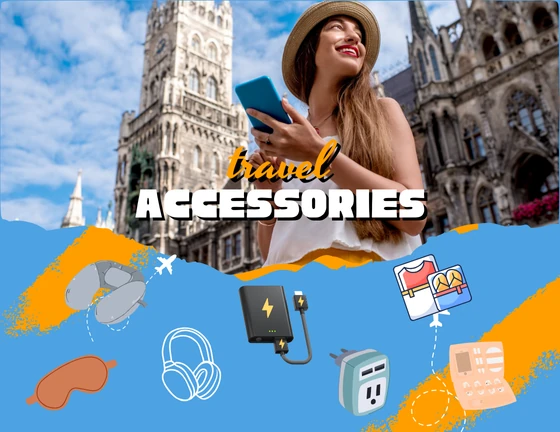
You may be interested in: The travel gadgets you didn’t know you needed

,
The travel gadgets you didn’t know you needed

The travel gadgets you didn’t know you needed

Traveling is an exciting experience that combines adventure, learning, and sometimes, small challenges. For many, the key to a comfortable and hassle-free trip lies in having the right gadgets. Throughout my adventures —including an unforgettable road trip along the California coast— I’ve learned that certain devices not only make traveling easier but can also save you in unexpected moments. Here’s a complete guide to the travel gadgets you didn’t know you needed, blending real experiences with practical recommendations.


What essentials do you need for a trip?

The essentials for a trip may vary depending on the destination and duration, but some gadgets are true lifesavers in almost any situation.


High-capacity portable charger:


travel gadgets


Imagine exploring a place like Big Sur, taking photos of the sunset, when suddenly your phone shows 10% battery. This happened to me, and thanks to my portable charger, I was able to keep capturing those landscapes without worries. A charger with at least 20,000 mAh is ideal for keeping your devices powered throughout the day.


Noise-canceling headphones:

earphone

Headphones are essential for long trips or noisy environments. While traveling with my brother, who was blasting rock music, these headphones allowed me to immerse myself in an audiobook without interruptions. They’re also perfect for flights or when you need a moment of peace in crowded places.


Universal plug adapter:

gadgets

Although it’s more commonly associated with international travel, a plug adapter is just as useful in hotels with limited electrical outlets. With a single device, you can charge your phone, camera, and smartwatch.


Portable car mini fridge:

mini-fridge

During our trip, I discovered how practical a mini fridge was for keeping drinks cold and snacks fresh in areas where there were no nearby stores. This gadget is perfect for long road trips or outdoor excursions.


What Shouldn’t Be Missing From Your Travel Bag?


Beyond clothing and basic toiletries, there are gadgets that make a big difference when packing your suitcase:

  • Cable and Charger Organizer: Nothing is worse than dealing with tangled cables. These organizers are compact and let you find what you need instantly.
  • Portable Scale: Avoid the stress of exceeding the weight limit at the airport. This small gadget can save you time and money.
  • Solar Power Bank: Perfect for those who enjoy hiking or camping, as it can be charged with solar energy, ensuring you never run out of battery in the middle of nature.

What Should You Bring When Traveling?


The key is to prioritize versatile and functional gadgets:

  • Compact Camera or GoPro: Capture unforgettable moments in high quality, whether on a road trip or exploring new cities.
  • Tablet or E-Reader: Perfect for entertainment during long flights or reading travel guides without the weight of heavy books.
  • Portable Water Filter: If you plan to visit remote destinations, this gadget ensures you always have access to safe drinking water.

What Do I Need for a Short Trip?

For quick getaways, less is more. These gadgets will make your experience practical and lightweight:

  1. Compact Portable Battery: You don’t need a high-capacity one; a smaller, lighter battery is enough for quick recharges.
  2. Wireless Earbuds: With no cables to get in the way, they’re perfect for easily navigating airports or exploring.
  3. Set of Mini Refillable Bottles: Perfect for carrying your personal care products in airline-approved sizes.

What Personal Items Can You Bring on a Plane?

Safety and comfort are key for air travel. These gadgets are your best allies:

  • Ergonomic Travel Pillow: I promise this small gadget makes a world of difference if you’re planning long flights.
  • Noise-Canceling Headphones: Besides being useful for any trip, they’re especially practical for reducing engine noise on the plane.
  • USB Port Adapter: Many planes offer USB charging ports, and having an adapter allows you to make the most of them.

Technology and Balance: The Secret to a Great Trip


While gadgets are a great tool, I learned that you shouldn’t rely on them completely. During my trip to California, there was one day when I left my devices in the car and simply walked along the beach. Feeling the sea breeze and listening to the waves was a reminder that sometimes disconnecting is the best way to connect with your surroundings.
In the end, traveling isn’t just about the destinations; it’s about how you experience them. And with the right gadgets, you can make sure those moments are even more memorable.


What about you? What are your must-have travel gadgets? Share your recommendations and experiences in the comments! 😊


You may be interested in: Internet Abroad: Stay Connected

Internet abroad stay connected

Internet Abroad: Stay Connected

Traveling abroad can be exciting, but being without a reliable internet connection can be a real headache, especially if you rely on GPS, social media, or apps to get around. I vividly remember when I traveled to Miami from Colombia to visit some relatives. Although I was excited, I felt a bit anxious: how would I get around without a reliable data plan? Here, you’ll learn about all the available options for staying connected abroad, practical tips, and how to avoid unpleasant surprises.


What to do to have internet abroad?

Internet Abroad

Staying connected starts with planning. Before traveling, consider these main options:

  1. International Roaming:
    Many carriers allow you to use your local plan abroad. While convenient, it can be expensive. Before my trip, I researched the roaming plans offered by my provider. Some were costly and limited, but I chose one that promised coverage in the United States.
  2. Local SIM Cards:
    Buying a SIM card in the country you’re visiting ensures better coverage and competitive prices. In Miami, I ended up purchasing a local SIM card at a shopping mall. Within minutes, I had a stable signal and could use GPS and social media without any worries.
  3. International eSIMs:
    A modern and convenient option if your phone is compatible. You can activate them before traveling and start browsing as soon as you land.
  4. Pocket WiFi:
    Portable devices that provide internet connection for multiple devices. They’re useful for groups, although they can be expensive.
  5. Free WiFi:
    Available at airports, cafes, and hotels. While free, it’s often slow and insecure. At Miami Airport, I tried using the free WiFi, but it was overloaded and barely loaded pages.

How to Get Internet on an International Trip?

The key is to choose the option that best suits your needs:

  • Short trips: Roaming or eSIM.
  • Long stays: Local SIM cards.
  • Occasional use: Pocket WiFi or free WiFi.

In my case, roaming was a temporary solution until I got a local SIM card, which turned out to be the best option for its value for money.


What Happens If I Use Data in Another Country?

Using data abroad without the right plan can lead to unexpected costs. Before traveling:

  • Check your carrier’s roaming rates.
  • Activate an international plan or use a local SIM card.
  • Set up your phone to prevent automatic data usage.

I learned this the hard way when my initial roaming plan didn’t meet my expectations, and I ended up without a stable signal upon landing.


How Can I Use My Phone in Another Country?

  1. Make sure it’s unlocked: Only unlocked phones can use SIM cards from other carriers.
  2. Switch to a local SIM card or activate an eSIM.
  3. Set up networks and APN settings according to the provider’s instructions.

Which Countries Offer Free Roaming?

Some carriers include free roaming in their plans for specific countries, such as the United States, Mexico, and Canada. Additionally, in Europe, EU residents benefit from the “Roam Like at Home” agreement, which eliminates roaming fees between member countries.


My Personal Experience: Lessons and Recommendations

My trip to Miami taught me that having internet abroad is more than just a convenience—it’s an essential tool for enjoying your destination with peace of mind. After resolving the issue with the local SIM card, I felt more confident and free to explore the city.

If you’re planning a trip, I recommend:

  1. Researching the available options before you leave.
  2. Assessing your connection needs based on the trip’s duration and your budget.
  3. Having a backup plan in case something goes wrong, as happened to me with roaming upon landing.


Having internet abroad doesn’t have to be complicated or expensive. From roaming to local SIM cards or eSIMs, there’s a solution for every type of traveler. Plan ahead, choose wisely, and enjoy your adventure worry-free!


You may be interested in: Types of Suitcases: Advantages and Disadvantages

Types of Suitcases

Types of Suitcases: Advantages and Disadvantages

Choosing the right suitcase can make the difference between a comfortable trip and an experience full of setbacks. For this reason, knowing the different types of suitcases is essential for any traveler. Whether you’re navigating international airports, hilly streets, or public transportation stations, the type of suitcase you choose will be your best ally or your worst enemy. 

I vividly remember my trip from Miami to the West Coast of the United States. During that journey, I visited several cities like Los Angeles and San Francisco—each with its own style, climate, and transportation challenges. Navigating uneven streets and sidewalks made me think carefully about how to protect my belongings. As a result, this trip taught me the importance of choosing between hard-shell, semi-rigid, or soft luggage, as well as the convenience of having the right wheels for different terrains.


In this guide, I’ll show you the different types of suitcases, their features, and help you choose the one that best suits your travel style. Let’s get started! 

Types of Suitcases: What Are the Options?

When it comes to choosing a suitcase, the first thing you need to know is that not all of them are the same. Suitcases are mainly classified by the structure of their materials, and each type has its own advantages and disadvantages depending on the kind of trip you’re planning. Here are the three main types: 

  1. Hard-Shell Types of Suitcases: Maximum Protection 
  • 【Smooth & Easy Mobility】Sweetcrispy carry on luggage features a dual-wheel design for effortless movement, ensuring a sm…
  • 【Spacious Storage Space】With spacious and practical storage, wet and dry mesh areas, X securing straps and expandable st…
  • 【Lightweight & Durable】Crafted with ABS exterior material, this checked luggage is not only lightweight for easy handlin…

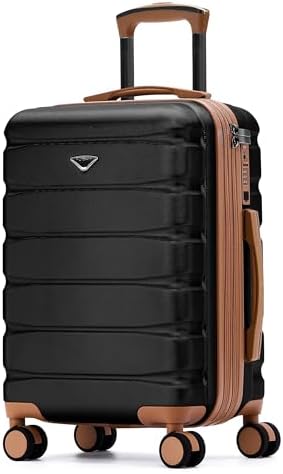
To begin with, hard-shell suitcases are known for their ability to provide superior protection. For example, brands typically use durable materials like polycarbonate or ABS, making them ideal for travelers carrying fragile items such as cameras, laptops, or delicate souvenirs.

Pros of Hard-Shell Types of Suitcases

  • Greater protection against impacts and crushing.
  • Water and moisture resistance.

Cons and Considerations Before Buying

  • However, they can be heavier than other types of suitcases.
  • They usually don’t have external pockets, limiting quick access to documents or accessories.

Before my trip to California, I seriously considered buying a hard-shell suitcase to protect my camera and other electronic devices. However, after analyzing the terrain I would be walking on (uneven sidewalks and streets), I opted for a lighter and more flexible option.

This is one of the most popular types of suitcases for international travel. 

  1. Semi-Rigid Types of Suitcases
    Offering a balance between protection and flexibility, semi-rigid suitcases combine the strength of a firm external structure with the adaptability of softer materials. Unlike hard-shell models, these suitcases aren’t completely rigid, which makes them easier to handle in tight spaces or crowded areas. Many designs also feature external pockets—ideal for keeping travel essentials like documents, chargers, or a light jacket within easy reach.
  • Rolling travel bag designed to maximize available front cargo space.
  • Can also double as airplane carry-on luggage
  • Standard on RT Limited model

Advantages:

  • Accessible external pockets.
  • A combination of lightness and protection.
  • Better yet, some models expand slightly to offer extra packing space.

Disadvantages:

  • However, protection as hard-shell suitcases in case of crushing.

In the end, I decided on a semi-rigid suitcase. It was the best choice for easily moving through airports and transportation stations in cities like Los Angeles and San Francisco. Being able to store my charger in the external pockets and access it quickly was a huge relief. 

  1. Soft-Sided Types of Suitcases
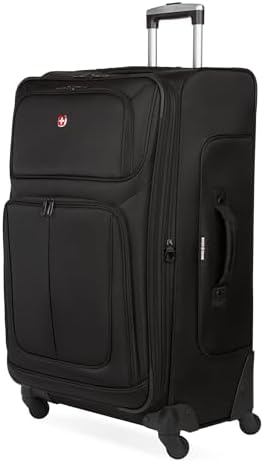
    On the other hand, soft-sided suitcases are the lightest and often the most affordable option. Manufacturers use flexible materials like polyester or nylon, allowing them to expand and provide additional packing space.

Advantages:

  • Extremely lightweight, making them easy to carry.
  • In many cases, soft suitcases expand to create more room when you need it most.

Disadvantages:

  • Less protection against impacts or pressure.
  • As a result, soft-sided suitcases are more likely to tear or get damaged if heavy objects are placed on top of them.

While soft-sided suitcases are ideal for travelers who need extra space, in my case, I knew I would be carrying fragile items and navigating crowded airports. For that reason, I opted for a semi-rigid suitcase that offered a balance between protection and flexibility.

These are the lightest and most flexible types of suitcases available. 

How Many Types of Suitcases and Luggage Are There?

In addition to the types of suitcases, it’s important to understand the different types of luggage. This classification is based on airline regulations and how the luggage is transported.

  1. Personal Item
    For instance, this includes small backpacks, handbags, or laptop cases that you can carry with you in the airplane cabin. These items typically go under the seat in front of you.
  2. Carry-On Luggage
    This is the classic cabin suitcase that you can bring on board with you. Generally, the size allowed by most airlines is 55 cm x 40 cm x 20 cm.
  3. Checked Luggage
    This refers to the luggage that is checked in and stored in the airplane’s cargo hold. Large and heavy suitcases fall into this category. 

What Size of Suitcases or Luggage Are Allowed on the Plane?

Most airlines allow a carry-on suitcase with dimensions of 55 cm x 40 cm x 20 cm. If your suitcase is larger, you’ll need to check it in and pay an additional fee.

 Types of Suitcases with 2 or 4 Wheels

2-Wheel Suitcases:

  • Slide forward and backward.
  • More durable for uneven sidewalks or bumpy streets.

4-Wheel Suitcases (Spinner):

  • Glide in all directions.
  • Ideal for airports and smooth surfaces.

I opted for a 4-wheel suitcase, and it was the right choice. In crowded airports like Miami or Los Angeles, being able to move effortlessly in any direction was a huge advantage.

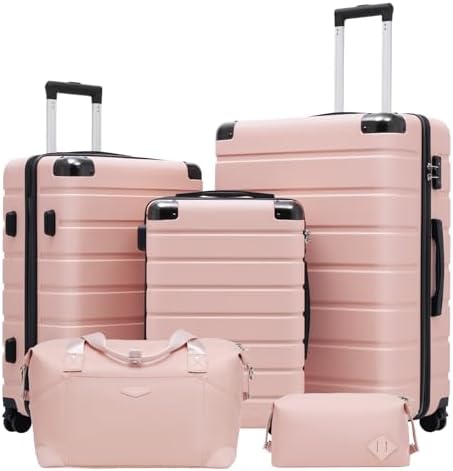
  • The sets include a 20 inch carry-on luggage, 24 inch medium luggage, 28 inch large luggage and a 15 inch tote bag.
  • Better than polyester material ,the luggage is made of 1680D oxford cloth. 210D nylon lining.
  • Four multi-directional spinner wheels and telescopic handle for easy mobility.

How to Choose the Best Type of Suitcase for Your Trip

 How to Choose the Best Type of Suitcase for Your Trip

Choosing the right suitcase can mean the difference between a smooth trip or a travel nightmare. My personal experience taught me that semi-rigid suitcases with 4 wheels offer the best balance between mobility and protection. Analyze your type of trip and specific needs before purchasing a suitcase.


Traveling to Multiple Cities

Use a semi-rigid suitcase with 4 wheels to adapt to any situation.

Carrying Fragile Items

Use a hard-shell suitcase to protect your belongings.

Traveling for a Few Days

Use a small carry-on suitcase to avoid check-in fees.

Long-Term Travel

Use a large or extra-large suitcase to ensure you have enough space.

Walking with Your Luggage

Choose a 2-wheel suitcase if the terrain is uneven, or a 4-wheel suitcase if you’ll be moving through airports and stations.

If you found this article helpful, share it with other travelers or tell us about your experience on our social media!

Each traveler has different needs, so explore various types of suitcases before making a purchase.


You may be interested in: Top 5 Mobile Apps for Frequent Travelers

✨ Bonus tip: Wraptogo offers at-home luggage wrapping—an added layer of protection for your suitcase before you even leave for the airport.

📦 Contact Wraptogo to schedule your luggage wrap
💬 Chat with us on WhatsApp for travel tips and protection services.

,
Top 5 Mobile Apps for Frequent Travelers

Apps for Travelers: Top 5 Must-Have Mobile Tools for Every Trip

Traveling is an exciting experience, but it can be overwhelming without the right tools. Today, travel apps are essential for planning, organizing, and making the most out of every trip. For example, from tracking flights to learning a new language, these apps have revolutionized the way we navigate the world. In this article, I’ll share the top options, including personal experiences that demonstrate how these tools make every journey smoother and more enjoyable. Therefore, these apps for travelers are designed to make your journey more organized and enjoyable from start to finish.


Apps for Travel Planning and Documentation

Apps for Frequent

First of all, before starting a trip, ensuring everything is in order is critical. When my cousin José prepared to travel from Ecuador to the U.S., we used an app that detailed travel requirements and health protocols, giving him peace of mind knowing everything was in place.

The best options in this category include:

  • TripIt: Perfect for consolidating itineraries, reservations, and documents in one place.
  • iVisa: Ideal for checking visa requirements based on your destination.

In addition, these apps not only prevent last-minute surprises but also save time and reduce stress during the planning phase.


These apps for travelers provide real-time updates, making it easier to manage delays or coordinate arrivals

User navigating map in urban area

During José’s flight from Quito to Miami, a flight-tracking app allowed me to monitor his journey, even when delays occurred due to weather conditions. As a result, these tools provide real-time updates, making it easier to coordinate arrivals or manage unexpected changes.

Top apps in this category include:

  • FlightAware: Offers interactive maps and real-time alerts.
  • App in the Air: Combines flight tracking with helpful airport tips.

For anyone looking to avoid uncertainty, these apps are a must-have.

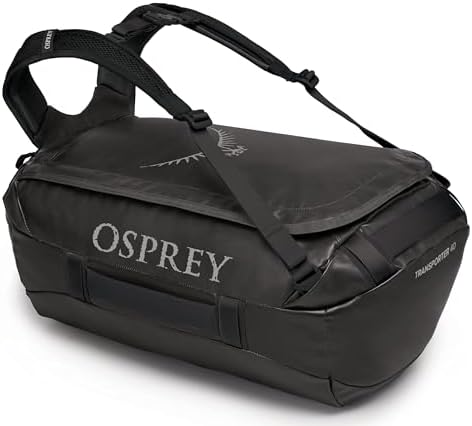
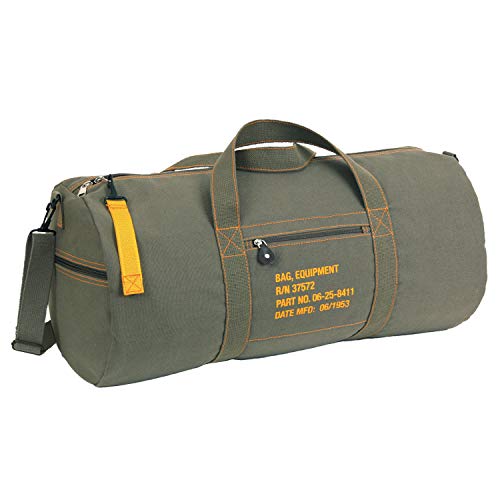
  • MASSIVE CAPACITY & STORAGE: Measuring 32.4″L x 16.9″W x 16.9″H (9,254 cubic inches or 150 Liters), this extra-large duff…
  • VERSATILE FUNCTIONALITY: Transform this duffle bag to meet your needs – from a travel companion for extended trips to a …
  • PROFESSIONAL STRENGTH & DURABILITY: Engineered with premium 100% nylon material, this bag combines lightweight portabili…
$18.80


Maps and Transportation: Explore Without Getting Lost

Maps and Transportation

Arriving in a new city can feel daunting, especially when trying to navigate unfamiliar streets. José found a maps app invaluable as it guided him through Miami, helping him understand bus and train routes.

The most useful options are:

  • Google Maps: Provides directions, public transport schedules, and offline maps.
  • Moovit: Especially helpful in large cities with complex transit systems.

These tools empower any traveler to explore like a local.


Language Learning Apps: These language apps for travelers are especially useful for long-term stays or immersion trips.

Traveler using language learning app at airport

Mastering a new language doesn’t happen overnight, but apps can make the process more accessible and enjoyable. When José wanted to improve his English to adapt better to his new life, an interactive app helped him practice during his free time.

Popular choices include:

  • Duolingo: Features short, engaging lessons covering vocabulary and grammar.
  • Busuu: Includes feedback from native speakers for effective learning.

These apps are ideal for backpackers or anyone traveling to destinations with language barriers.

  • Thoughtfully Designed Travel Bag: Dimensions: 20.9 x 8.8 x 13 inches, 2.3 lbs. This tactical bag has a spacious main com…
  • Tactical Duffle Bag’s MOLLE System: Military bag is designed with patch panels on the front and sides for attaching name…
  • Cool Gym duffle Bag: This gym bag comes with a separate toiletry bag for storing toiletries. The independent shoe compar…


Apps for Social and Cultural Connection

Flight tracking interface on mobile app

Traveling isn’t just about destinations; it’s also an opportunity to connect with new people and cultures. One tool I recommended to José was an app to find local events and meet other Latinos in Miami. This not only enriched his experience but also made him feel more at home.

The best options in this category are:

  • Meetup: Connects people with shared interests through local events and activities.
  • Couchsurfing: A global community where travelers can find accommodations or simply meet locals.

These apps can turn a solitary trip into a socially enriching adventure.


Frequently Asked Questions

  1. What are the best apps for traveling?
    The best ones depend on your needs. For itineraries: TripIt. For flights: FlightAware. For socializing: Meetup.
  2. Which is the best app to view locations in real-time?
    Google Maps leads the pack with its Street View and offline maps features.
  3. What is the app for traveling with others?
    BlaBlaCar is excellent for carpooling, connecting travelers heading to the same destination.
  4. How can I meet people if I travel alone?
    Use apps like Meetup or Couchsurfing to find events and communities.
  5. What is the Travel app?
    It’s a general application combining trip planning, maps, and travel reviews.

Helping José navigate his journey taught me how travel apps simplify not just the logistics of a trip but also foster cultural and social connections. Whether you’re planning a short getaway or moving to a new country, these tools can make a tremendous difference in your experience.

Download one (or all!) of these apps and enjoy a smoother, more fulfilling travel journey!


You may be interested in: How to Choose the Perfect Travel Suitcase: A Personal Journey

🎁 Need to wrap your luggage?
WrapUp offers at-home luggage wrapping service so you can travel with total peace of mind. Protect your belongings without leaving home.

📦 Contact us today and schedule your pickup!

Chat with us on WhatsApp

How to Choose the Perfect Travel Suitcase A Personal Journey

How to Choose the Perfect Travel Suitcase: A Personal Journey

Embarking on my first international adventure was a milestone I meticulously planned for months. Every detail was considered, but choosing the right travel suitcase was a decision that held both practical and sentimental value.


The Search for the Ideal Suitcase

I wanted a suitcase that was not only durable but also embodied the adventurous spirit I felt at the time. After visiting several stores, I found it: a green olive suitcase adorned with small destination tags as decoration. It was perfect. Bringing it home, I began filling it with everything I thought necessary: clothes, books, a camera, and small gifts for friends I planned to visit.

If you’re searching for a suitcase that combines style, functionality, and quality, explore the collection of travel suitcases available at WrapUp Shop. Each design is crafted to accompany you on your adventures, whether it’s a weekend getaway or a journey across the globe.


A Mother’s Wisdom

The night before departure, I sat next to my suitcase, feeling a mix of nerves and excitement. My mother entered the room and, seeing my pensive look, sat beside me. She shared stories of her own travels and how every mark on her old suitcase represented a lived experience. She said, “A travel suitcase doesn’t just carry your belongings; it carries your dreams and the stories you’ve yet to live.”


The Journey Begins

During the trip, that suitcase became my faithful companion. It endured busy airports, cobblestone streets, and even an unexpected mountain storm. Every time I opened it, it felt like unveiling a piece of home in unfamiliar lands. Over time, the suitcase began to show signs of wear: scratches, hotel stickers, and delayed flight tags. But for me, every mark added character and told a story.

 

Unexpected Connections

One particular moment I cherish happened at a small train station in France. A child approached, fascinated by the colorful tags on my suitcase. Though we spoke different languages, we shared smiles, and I gave him a sticker I had saved. His joy was contagious, reminding me of the beauty of spontaneous human connections.


Returning Home

Upon returning home, my travel suitcase was fuller than ever, not just with objects but with memories and experiences that changed me forever. Now, every time I see it in my closet, it transports me to those moments and inspires me to keep exploring the world.

If your current suitcase no longer reflects your travel spirit, it might be time for an upgrade. Discover modern and practical options at our online store, WrapUp Shop, where every suitcase is designed to help you write new stories on every journey.


Travel Suitcase


The Symbolism of a Suitcase

That suitcase was not just a useful object; it became a symbol of growth, learning, and the infinite possibilities travel offers. It taught me that sometimes, the most valuable thing we carry on our trips isn’t what we pack but the stories we bring back.


Answering Common Questions About Travel Suitcases

  1. Are soft or hard suitcases better?
    The choice between soft and hard suitcases depends on your needs. Hard suitcases offer better protection for fragile items and are often more water-resistant. Soft suitcases, on the other hand, are more flexible, allowing for easier storage in tight spaces and often featuring external pockets for quick access to essentials.
  2. What is the best suitcase for flying?
    The best suitcase for flying should comply with airline size and weight restrictions, be durable, and suit your pack
  3. What is a travel size suitcase?
    A travel size suitcase generally refers to carry-on luggage that meets airline size restrictions, usually around 22 x 14 x 9 inches. These suitcases are designed to fit in overhead compartments, helping travelers avoid checked baggage fees and wait times.
  4. What size suitcase do I need to fly?
    The size of the suitcase you need depends on the duration of your trip and your packing habits. For short trips (1-3 days), a carry-on suitcase is usually sufficient. For longer trips, a medium (24-26 inches) or large (28-30 inches) checked suitcase might be necessary. Always check your airline’s specific size and weight restrictions.
  5. Is a 24-inch suitcase too big for carry-on?
    Yes, a 24-inch suitcase is generally too large to be considered a carry-on for most airlines. Carry-on size limits are typically around 22 inches in height. A 24-inch suitcase would need to be checked in.

Final Thoughts

Choosing the right travel suitcase is a personal journey that goes beyond functionality. It’s about finding a companion that will carry not just your belongings but also your dreams and the stories you’ve yet to live. If you’re ready to find the perfect suitcase for your next adventure, visit WrapUp Shop and start creating new memories today.

,
Ultimate Guide to Unrestricted Travel WrapUps 70-Pound Suitcase

Ultimate Guide to Travel Freedom: WrapUp’s Travel Duffel Bags

When it comes to exploring the world with ease, having the right bag makes all the difference. WrapUp’s travel duffel bags offer the perfect combination of versatility, durability, and style for all your adventures. Why limit yourself when you can have a bag that adapts to all your travel needs?


Travel Duffel Bags: Innovative Design Meets Exceptional Durability

Imagine a bag that not only complements your style but also withstands the demands of travel. WrapUp’s travel duffel bags fuse elegant design with superior resilience, ensuring your belongings are secure and organized wherever you go. Crafted from high-quality materials, they’re built to accompany you on every journey without sacrificing aesthetics or functionality.

Travel Duffel Bags

Tips for Traveling Light with Travel Duffel Bags

Traveling light doesn’t mean compromising on essentials. Our travel duffel bags are designed to maximize space and efficiency, making your airport experience smoother. Discover how to pack smart, organize your items effectively, and breeze through security checks with confidence.


Why Choose a Travel Duffel Bag? The Choice of Savvy Travelers

Choosing the right bag can transform your travel experience. Opting for a travel duffel bag provides unmatched flexibility and convenience. Whether you’re heading on a weekend getaway, a business trip, or an extended vacation, our duffel bags offer you the freedom to carry everything you need in a compact and stylish form.

banner Duffle bag poly

WrapUp Travel Duffel Bags: Style and Functionality in Every Detail

WrapUp’s travel duffel bags perfectly blend modern style with practical features. With multiple compartments and thoughtful design elements, organizing your belongings is effortless. From adjustable straps for comfort to secure zippers, every feature is intended to enhance your travel experience.


Complete Your Journey with WrapUp’s Accessories

To complement your travel duffel bag, WrapUp offers a wide range of travel accessories that keep your essentials within reach while exploring new destinations. Comfort and style go hand-in-hand in each of our products, ensuring you have everything you need for a seamless journey.


Get Ready for Your Next Adventure with WrapUp

Don’t let cumbersome luggage slow you down. With WrapUp’s travel duffel bags, you’ll have the freedom to travel light without leaving anything behind. Explore our collection today and choose the perfect travel companion for you.


Shop now and start experiencing unforgettable journeys with the confidence and quality that only WrapUp can offer!