Prohibited Items at Airports: What You Can’t Bring in Your Luggage

When traveling by plane, avoiding issues at security checkpoints is key to a stress-free trip. Have you ever arrived at the airport only to find out that something in your bag isn’t allowed? It happened to me once in Miami, and trust me—it’s not a pleasant experience. To make sure it doesn’t happen to you, here’s a complete guide to prohibited items at airports and how to avoid setbacks before boarding your flight.


What Can’t You Bring Through an Airport?

Prohibited Items at Airports

Regulations vary depending on the airline and country, but in general, these are the items you cannot bring in your carry-on or checked luggage:


  1. Large Quantities of Liquids

TSA (Transportation Security Administration) regulations state that you can only carry liquids in containers of 100 ml (3.4 oz) or less, stored in a clear plastic bag with a maximum capacity of 1 liter. This includes:

  • Perfumes and lotions
  • Gels and creams
  • Large tubes of toothpaste

I once tried to carry a large bottle of lotion in my carry-on without knowing it was prohibited. At security, they made me throw it away with no option to recover it. Since then, I always double-check the size of my liquids before flying.

  1. Improperly Packed Lithium Batteries

External batteries and spares for laptops and cameras must go in your carry-on, but if they exceed 100 Wh, you may face issues.
👉 Pro Tip: If you need to bring a large battery, check your airline’s policy before flying. Some allow up to 160 Wh with prior approval.

  1. Sharp and Cutting Objects
  • Pocket knives and scissors with blades over 6 cm (2.4 in)
  • Any type of knife
  • Screwdrivers and sharp tools
    If you need to bring these items, make sure to pack them in your checked luggage.
  1. Aerosols and Flammable Substances
  • Large aerosol deodorants
  • Lighters and matches
  • Pepper spray or personal defense sprays

On my first trip to Cuba, I had a small aerosol I didn’t even remember packing. Security confiscated it—and I learned my lesson.

  1. Explosives and Hazardous Materials

It may seem obvious, but you can’t bring any type of gunpowder, fireworks, or flammable chemicals.

  1. Restricted Food and Products
  • Some fruits and meats are prohibited on international flights due to health regulations.
  • In the U.S., fresh cheeses and cold cuts may be confiscated by customs.

👉 Tip: If you’re traveling with food, check the destination country’s restrictions to avoid having it taken away.


What Is Prohibited in Carry-On Luggage?

What Is Prohibited in Carry-On Luggage


In addition to the items mentioned earlier, here’s a quick list of things you CANNOT bring in your carry-on luggage:
✅ Liquids in containers over 100 ml
✅ Improperly protected lithium batteries
✅ Large scissors or knives
✅ Flammable aerosols
✅ Sharp tools
✅ Lighters and matches in large quantities

If you’re unsure, pack these items in your checked luggage or check with the airline before you travel.


Frequently Asked Questions About Prohibited Items at Airports

Frequently Asked Questions About Prohibited Items at Airports

  1. What items are not allowed at the airport?
    You cannot bring large liquids, weapons, sharp objects, explosives, flammable substances, or items restricted for health reasons (such as certain foods).
  2. Can I bring a power bank on the plane?
    Yes, but only in your carry-on luggage and depending on its capacity in Wh. Some airlines allow up to 160 Wh with prior approval.
  3. What items are not allowed in checked luggage?
    Explosives, hazardous chemicals, and large lithium batteries are not allowed in checked baggage.
  4. Are lighters allowed on a plane?
    You can bring one lighter in your carry-on, but not in checked luggage.
  5. What happens if I bring a prohibited item in my luggage?
    It depends on the airport and the country. In the best-case scenario, they’ll make you throw it away. In the worst case, you could be fined or denied boarding.


Final Tip: Check Your Luggage Before You Travel

If you want to avoid the frustration of having to throw things away at the airport, review the restrictions before your trip. Using a good suitcase or travel bag with organized compartments also helps.

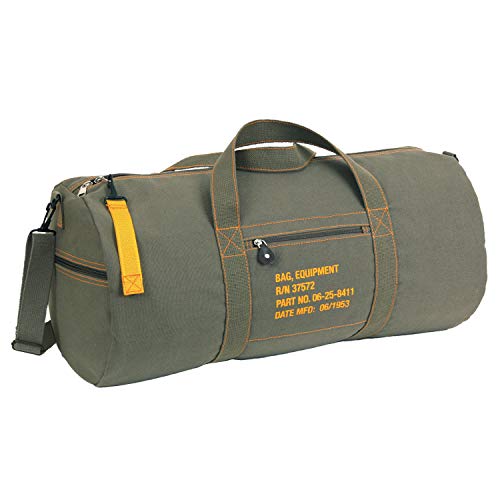
💼 Recommendation: To travel hassle-free and with enough space, I recommend the WrapUp Duffle Bag Poly 25-50 LBS Quadrate. Its design makes security checks easier and helps you avoid complications. You can check it out here:

Stress-free travel starts with well-prepared luggage. Avoid surprises and enjoy your flight.✈️


You may be interested in: Havana Air Allowed Luggage: Everything You Need to Know

,

Havana Air Allowed Luggage: Everything You Need to Know

Traveling with Havana Air can be an exciting experience, especially if it’s your first time flying with them. Whether you’re planning to visit family in Cuba or simply explore the island, it’s crucial to understand Havana Air’s allowed luggage policies to avoid surprises at the airport.

In this article, we’ll break down everything you need to know about Havana Air’s baggage allowance, based on personal experiences and the most up-to-date information.


What Is Havana Air’s Baggage Policy?

Before flying, it’s essential to understand Havana Air’s baggage regulations. The airline allows each passenger to check one suitcase of up to 23 kg (50 lbs). Additionally, you can bring one piece of carry-on luggage, which must meet certain size and weight restrictions, generally around 8 kg (17 lbs).

I remember preparing for my trip to Havana last year. It was my first time flying with them, and I was excited but also concerned about exceeding the baggage limits. Since I wanted to bring gifts for my family in Cuba, I researched Havana Air’s policies and made sure to comply with the regulations.

If you’re worried about exceeding the weight limits or need to transport delicate items, I recommend using WrapToGo’s luggage wrapping and weighing services. Our company specializes in ensuring your luggage is properly packed and within airline regulations. This way, you can avoid airport issues and ensure that everything arrives in perfect condition. You can find more details about our services here.


How Many Suitcases Can You Bring on a Charter Flight to Cuba?

On charter flights operated by Havana Air between Miami and Havana, the baggage policy allows one checked suitcase, but you can add extra luggage for an additional fee. In addition to checked baggage, you are also allowed to bring one carry-on bag.

During my trip, I made sure to organize everything in my suitcase to stay within the 23 kg (50 lbs) limit. When I arrived at the airport counter, feeling a bit nervous, I was greeted by a very friendly staff. The agent noticed my concern and, with a smile, helped me weigh my luggage. It was a relief to know I was within the limit, but even more so to see that they were willing to help me reorganize my baggage if needed.

To avoid this anxiety, WrapToGo offers at-home luggage weighing services, ensuring that you’re ready to board without worries. It’s a great option if you want to avoid overweight fees and make sure you comply with Havana Air’s baggage policies.


How Many Pounds of Luggage Can You Take to Cuba?

The allowed baggage weight on Havana Air flights to Cuba varies depending on the type of luggage. Checked baggage has a limit of 50 lbs (23 kg), while carry-on luggage is usually limited to 17 lbs (8 kg). It’s important to check the exact regulations with the airline before your flight, as they may change depending on the season or flight type.

When organizing my luggage, I spent a lot of time making sure I didn’t exceed the weight limit. I knew I wanted to bring several gifts for my family, but I also understood that I needed to follow the airline’s strict regulations. Fortunately, with the help of the Havana Air team, I was able to fit everything perfectly.

To ensure you don’t exceed the weight limit, consider using WrapToGo’s luggage weighing services before heading to the airport. This allows you to have complete control and peace of mind, knowing that your luggage is within the permitted limits.


What Can You Bring in Your Carry-On Luggage to Cuba?

Carry-on luggage is a crucial part of any flight, and Havana Air is no exception. In your carry-on bag, you can bring essential personal items such as clothing, electronic devices, and medications. However, there are restrictions on liquids and sharp objects, just like on most international flights.

It’s essential to check the specific regulations for carry-on luggage to avoid any issues during boarding. My carry-on included some important belongings, and I made sure it met the allowed dimensions to prevent any problems at the airport.

Don’t risk traveling with poorly organized or damaged luggage—contact us at WRAPTOGO.


Havana Air Equipaje Permitido


Useful Tips for Traveling with Havana Air

If you’re planning a trip with Havana Air, here are some tips based on my experience:

  • Organize your luggage in advance: Make sure to check the airline’s policies before packing.
  • Be mindful of weight and dimensions: Use a scale at home to avoid surprises at the airport.
  • Ask for help if needed: If you have any questions, Havana Air’s staff is friendly and always willing to assist.

Remember, if you need additional assistance, WrapToGo is here to help with packing, weighing, and protecting your luggage.


You may be interested in: Smart Luggage: Is It Really Worth It?

Smart Luggage: Is It Really Worth It?

A few years ago, if someone had told me that a suitcase could be tracked from a smartphone or unlocked with a fingerprint, I would have thought it was straight out of a sci-fi movie. But technology has advanced so much that smart luggage is now a reality, promising to make travel safer and more convenient.

I had my first experience with a smart suitcase when I decided to send my grandmother in Cuba a suitcase full of medicine and her favorite sweets. The idea of being able to track the luggage in real time seemed like a game-changer. But is smart luggage really worth it? Is it a useful investment or just an overpriced gadget?

In this article, I’ll break down everything you need to know about smart luggage, including how it works, its advantages, and the challenges you might face when using one.

What Do Smart Suitcases Do?

Smart suitcases come packed with technology to make traveling easier. Some of their most popular features include:

Real-time GPS tracking – Lets you see exactly where your bag is at any time.
Digital locks – Can be unlocked using a fingerprint, PIN code, or app.
Built-in chargers – Allows you to charge your phone, tablet, or other devices.
Integrated scale – Weighs your luggage to prevent excess baggage fees.
Self-following technology – Some models can roll behind you automatically.

When I sent my suitcase to Cuba, the real-time tracking was the feature that mattered the most to me. Knowing exactly where my bag was gave me peace of mind, especially since it contained important medications.

How Much Does Smart Luggage Cost?

The price of smart luggage varies depending on the brand, size, and features:

💰 Budget models ($100 – $200): Basic GPS tracking and removable battery.
💰 Mid-range models ($200 – $500): Digital locks and integrated scales.
💰 Premium models ($500+): High-end features like self-following and voice assistants.

Personally, I don’t think you need to spend a fortune to get a good smart suitcase. There are affordable options that offer the essentials, like GPS tracking and security features.

What Are the Downsides of Smart Luggage?

Smart luggage isn’t perfect, and I learned that the hard way. When I arrived at the airline to check my bag, I ran into an unexpected problem: lithium batteries.

Most airlines have strict regulations against non-removable lithium batteries in checked luggage. I had to explain to the airline staff that my suitcase’s battery was removable, but they still looked at it like it was some kind of high-tech contraption from a spy movie.

Other common downsides include:
🚨 Airport restrictions – Some airlines ban certain models.
🚨 Battery life – If it dies mid-trip, you lose key functions.
🚨 High price – Many travelers don’t see the extra cost as necessary.

What Is a Smart Bag and How Is It Different from a Regular Suitcase?

The term Smart Bag is just another way of saying smart suitcase. Unlike traditional luggage, these bags come with built-in tech features designed to improve security and convenience.

🆚 Key differences:

  • Security: Digital locks vs. traditional combination locks.
  • Tracking: GPS monitoring vs. no tracking.
  • Power source: Built-in charger vs. no charging capabilities.
  • Innovation: Some can follow you automatically vs. standard rolling suitcases.

From my experience, smart luggage isn’t perfect, but knowing exactly where my suitcase was at all times was a game-changer, especially for international shipping.

Final Verdict: Is Smart Luggage Worth It?

After using a smart suitcase myself, my verdict is clear: It’s worth it—but not for everyone.

If you travel frequently or need extra security for valuable items, the tracking and digital locks are great features. However, if you only travel occasionally and don’t want to deal with airline battery restrictions, a traditional suitcase may be a better choice.

For me, the peace of mind of tracking my suitcase in real time made all the difference. And the best part? Hearing my grandmother laugh as she told me how airport security in Cuba was fascinated by her “high-tech” suitcase. That moment alone made it all worth it.

So, if you’re wondering whether smart luggage is a good investment, my advice is simple: Think about your travel needs and whether these features will actually make your life easier.


You may be interested in: Travel Bags for Cuba: How to Choose the Best One for Your Trip

, ,

Travel Bags for Cuba: How to Choose the Best One for Your Trip

Traveling to Cuba always comes with the excitement of reuniting with loved ones, but also the logistics of packing everything you need. One of the most important decisions is choosing the right travel bag. Whether you need a 50-pound or 70-pound bag, the goal is to carry your belongings safely, without exceeding airline limits, and making the most of every inch of your luggage.

In this article, I’ll provide a complete guide to selecting the perfect bag, based on my own experiences traveling to Cuba, along with practical recommendations on the types of bags available and how to organize your luggage efficiently.


  1. 50 and 70-Pound Travel Bags for Cuba: What You Need to Know

black-bag-70lbs-logo-original

When preparing for your trip to Cuba, luggage weight is key. Airlines like American Airlines have clear restrictions on how many pounds you can carry, and this is where 50 and 70-pound travel bags play an essential role.

Not sure which one to choose? If your goal is to bring gifts, clothes, or medications for your family, I recommend the 50-pound bag. It’s large enough to carry everything you need without exceeding weight limits. However, if you need more capacity, the 70-pound bag is ideal for longer trips where transporting many items is unavoidable.


  1. How to Make the Most of Every Inch of Your Travel Bag

I vividly remember the last time I prepared for my trip to Cuba to visit my family in Santiago. I wanted to bring them gifts and items that are hard to find there, so the night before the trip, my living room was filled with things I needed to organize. Every bag I packed was calculated to the last detail, making the most of every compartment to avoid leaving any empty space.

To avoid overloading your bags and having issues at the airport, use travel bags with multiple compartments. This helps you distribute the weight better and keep your items organized. Additionally, the 50-pound bag is perfect if you want to stay within the weight limits, saving you stress at the airport counter.


  1. Allowed Weight and Additional Fees for Luggage to Cuba

One of the most frequently asked questions is: How many pounds can I take to Cuba? In 2024, airlines like American allow luggage up to 50 pounds on most flights. However, if you need to carry more, you can pay for an extra bag, which usually costs between $100 and $150 depending on the airline.

For more details on baggage policies, I recommend checking out our complete guide on Havana Air and allowed luggage, where we explain what you can bring in your carry-on, additional fees, and more.


  1. What to Pack in Your Carry-On and How to Prepare for Cuba

When traveling to Cuba, there are some essential items you should carry in your hand luggage: important documents, electronic devices, medications, and any valuable items. The rest can be packed in your 50 or 70-pound bag, knowing that your main luggage is secure and well-organized.

In my case, I always bring an additional small bag for the most delicate items, making sure everything arrives in good condition at its destination.

Choosing the right bag for your trip to Cuba is an important decision—not just to avoid issues at the airport, but to ensure your belongings arrive safely. Whether you choose a 50-pound or a 70-pound bag, make sure to distribute the weight properly, make the most of the compartments, and check the airline restrictions before you travel.

Packing is not just a matter of logistics; it’s also about bringing love and memories to those who need it most in Cuba.


You may be interested in: The travel gadgets you didn’t know you needed

,

The travel gadgets you didn’t know you needed

Traveling is an exciting experience that combines adventure, learning, and sometimes, small challenges. For many, the key to a comfortable and hassle-free trip lies in having the right gadgets. Throughout my adventures —including an unforgettable road trip along the California coast— I’ve learned that certain devices not only make traveling easier but can also save you in unexpected moments. Here’s a complete guide to the travel gadgets you didn’t know you needed, blending real experiences with practical recommendations.


What essentials do you need for a trip?

The essentials for a trip may vary depending on the destination and duration, but some gadgets are true lifesavers in almost any situation.


High-capacity portable charger:


travel gadgets


Imagine exploring a place like Big Sur, taking photos of the sunset, when suddenly your phone shows 10% battery. This happened to me, and thanks to my portable charger, I was able to keep capturing those landscapes without worries. A charger with at least 20,000 mAh is ideal for keeping your devices powered throughout the day.


Noise-canceling headphones:

earphone

Headphones are essential for long trips or noisy environments. While traveling with my brother, who was blasting rock music, these headphones allowed me to immerse myself in an audiobook without interruptions. They’re also perfect for flights or when you need a moment of peace in crowded places.


Universal plug adapter:

gadgets

Although it’s more commonly associated with international travel, a plug adapter is just as useful in hotels with limited electrical outlets. With a single device, you can charge your phone, camera, and smartwatch.


Portable car mini fridge:

mini-fridge

During our trip, I discovered how practical a mini fridge was for keeping drinks cold and snacks fresh in areas where there were no nearby stores. This gadget is perfect for long road trips or outdoor excursions.


What Shouldn’t Be Missing From Your Travel Bag?


Beyond clothing and basic toiletries, there are gadgets that make a big difference when packing your suitcase:

  • Cable and Charger Organizer: Nothing is worse than dealing with tangled cables. These organizers are compact and let you find what you need instantly.
  • Portable Scale: Avoid the stress of exceeding the weight limit at the airport. This small gadget can save you time and money.
  • Solar Power Bank: Perfect for those who enjoy hiking or camping, as it can be charged with solar energy, ensuring you never run out of battery in the middle of nature.

What Should You Bring When Traveling?


The key is to prioritize versatile and functional gadgets:

  • Compact Camera or GoPro: Capture unforgettable moments in high quality, whether on a road trip or exploring new cities.
  • Tablet or E-Reader: Perfect for entertainment during long flights or reading travel guides without the weight of heavy books.
  • Portable Water Filter: If you plan to visit remote destinations, this gadget ensures you always have access to safe drinking water.

What Do I Need for a Short Trip?

For quick getaways, less is more. These gadgets will make your experience practical and lightweight:

  1. Compact Portable Battery: You don’t need a high-capacity one; a smaller, lighter battery is enough for quick recharges.
  2. Wireless Earbuds: With no cables to get in the way, they’re perfect for easily navigating airports or exploring.
  3. Set of Mini Refillable Bottles: Perfect for carrying your personal care products in airline-approved sizes.

What Personal Items Can You Bring on a Plane?

Safety and comfort are key for air travel. These gadgets are your best allies:

  • Ergonomic Travel Pillow: I promise this small gadget makes a world of difference if you’re planning long flights.
  • Noise-Canceling Headphones: Besides being useful for any trip, they’re especially practical for reducing engine noise on the plane.
  • USB Port Adapter: Many planes offer USB charging ports, and having an adapter allows you to make the most of them.

Technology and Balance: The Secret to a Great Trip


While gadgets are a great tool, I learned that you shouldn’t rely on them completely. During my trip to California, there was one day when I left my devices in the car and simply walked along the beach. Feeling the sea breeze and listening to the waves was a reminder that sometimes disconnecting is the best way to connect with your surroundings.
In the end, traveling isn’t just about the destinations; it’s about how you experience them. And with the right gadgets, you can make sure those moments are even more memorable.


What about you? What are your must-have travel gadgets? Share your recommendations and experiences in the comments! 😊


You may be interested in: Internet Abroad: Stay Connected