Carry-On Luggage Trends 2025: Best Picks for International Travel

Carry-On Luggage Trends

As we approach 2025, carry-on luggage trends 2025 have evolved significantly, driven by the demands of international travel and the need for efficiency. Selecting the right travel bags for long-haul flights is crucial. The quality and features of carry-on luggage can make a big difference in a traveler’s experience.

Moreover, with more airlines imposing strict regulations on baggage size and weight, understanding these changing trends is essential. Staying updated on carry-on luggage trends 2025 ensures you’re prepared for the latest travel demands.

One of the most notable trends is the emphasis on lightweight materials. Travelers now seek luggage that reduces overall weight, allowing more packing capacity without exceeding airline limits. Fabrics such as nylon and polyester blends are popular due to their durability and lightness.

Durability is equally important. Features like reinforced corners, quality zippers, and weather-resistant materials are considered essential. Many brands also incorporate smart storage solutions—zippered pockets, compartments for electronics, and organized spaces enhance convenience.

Overall, as travel demands evolve, luggage design is becoming smarter and more user-friendly. Understanding carry-on luggage trends 2025 will help travelers make informed, future-ready decisions.

Top Carry-On Luggage Brands and Models for 2025

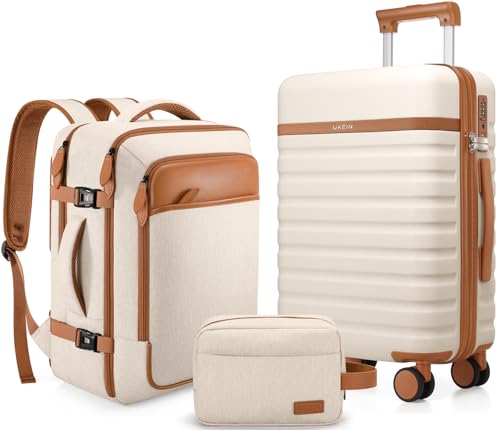
  • 3-piece Luggage Sets: Our luggage set includes 20-inch, plus a multi-functional backpack and a toiletry bag. From short …
  • Expandable Capacity: Designed with an expandable layer to add 15% more space to your rolling luggage.
  • Travel Securely and Worry-Free: The hard shell luggage sets luggage sets are mainly made of high-quality ABS material, w…

As international travel expands, selecting the right carry-on becomes more important. Several brands dominate the 2025 market due to their quality and innovation.

Samsonite, for example, offers the Winfield 3 DLX, a durable polycarbonate shell with 360-degree spinner wheels. It includes a TSA-approved lock for security. However, some travelers note the high price point.

Rimowa stands out with the Essential Cabin model. Crafted from high-quality polycarbonate, it remains lightweight yet sturdy. Its smooth multi-wheel system is ideal for busy airports. Still, the surface may scratch easily, and parts can be expensive to replace.

Travelpro’s Platinum Elite is a favorite among airline crews. It offers robust construction and a well-organized interior. While heavier than some competitors, it delivers excellent value and reliability.

Choosing the right carry-on depends on travel frequency, personal preferences, and budget. Fortunately, brands like Samsonite, Rimowa, and Travelpro continue to innovate and deliver outstanding solutions.

Smart Features to Look for in Carry-On Luggage

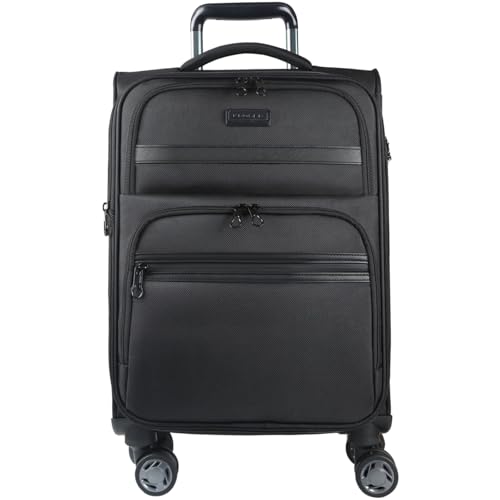
  • Perfect Carry-On for 1-3 Day Trips: Get through a crowded airport easily with this ergonomic, expandable, soft-sided car…
  • Four 360-Degree Multi-Directional Spinner Wheels: Built with maximum maneuverability in mind, so you can navigate busy a…
  • Durable Design, Effortless Organization: Made from a durable, scuff-resistant polyester fabric with fully lined interior…

New trends in carry-on luggage trends 2025 reflect travelers’ growing demand for smart features. These enhancements make international journeys easier and more efficient.

Built-in charging ports are a must-have. Many modern bags now include USB ports, helping you stay connected during long layovers or delays.

GPS tracking is another useful feature. Travelers can locate their bags in real time using smartphone apps. This reduces anxiety, especially on international flights.

Weight sensors are increasingly common. They notify you when your luggage exceeds airline weight limits—helping avoid surprise fees at check-in.

These innovations support a smoother, more organized travel experience. When choosing your next bag, prioritize options that enhance convenience and efficiency.

Choosing the Right Carry-On for Your Needs

  • Enhanced Travel Experience: Stay organized and connected on the go with the built-in 3-in-1 cup holder, phone holder, an…
  • Effortless Maneuverability: Enjoy smooth and easy navigation with the 360-degree 4-wheel system, allowing you to effortl…
  • Convenient Accessibility: The top and side carry handles provide multiple carrying options, making it convenient to lift…

Consider Your Travel Frequency and Style

Before buying, take time to review carry-on luggage trends 2025 to find a style that fits your habits. Frequent flyers may need ultra-lightweight luggage, while occasional travelers might prioritize design and affordability.

Your carry-on reflects your personal style. Whether you prefer classic or modern looks, choose something that’s both practical and stylish. Multiple compartments and quick-access pockets can make a big difference.

Match Features with Your Trip Type

For business trips, a sleek design with a laptop compartment is ideal. For leisure, opt for comfort and flexibility—especially soft-sided models that can stretch to fit souvenirs.

Always ensure your luggage meets size restrictions. It’s a simple way to avoid hassle at the gate.

Pack Smart and Maximize Space

Use packing cubes, roll clothing, and choose lightweight luggage to maximize space. These small strategies can help you stay organized and avoid extra fees.

Read Reviews and Check Warranties

Quality luggage is an investment. Read reviews and consider brands that offer strong warranties and customer support. A well-chosen bag will serve you for years of international travel.

You may be interested in: Everything You Need to Know About Baggage on Spirit Airlines

🎁 Want to go the extra mile?

Wraptogo offers at-home luggage wrapping service—perfect for travelers who value convenience and protection.

📦 Contact us today and schedule your pickup!

Chat with us on WhatsApp

Everything You Need to Know About Baggage on Spirit Airlines

Traveling with Spirit Airlines can be a great option when you’re looking for low-cost flights, but it’s essential to understand their baggage policies to avoid surprises. On my first experience with Spirit, I was excited about the cheap ticket and assumed I could bring a carry-on bag for free. However, Spirit takes a different approach. This article explains everything you need to know about baggage on Spirit Airlines—from fees to how to optimize your trip.


  1. How many free bags can I bring on Spirit?

Spirit does not include free carry-on bags. It only allows one personal item (like a backpack) that fits under the seat. Additional carry-on or checked bags come with fees that can increase if not managed in advance. I remember being surprised when I was charged for a small carry-on bag.

To avoid this kind of surprise, make sure to plan ahead and check what’s included in your fare.

  1. How Many Pounds Is a Spirit Checked Bag?
    The weight limit for checked baggage is 40 pounds (18.1 kg), which is stricter than most other airlines. Exceeding that limit results in additional fees. I learned this the hard way by paying more at the airport due to overweight luggage.
  2. What Is the Weight Limit for a Carry-On Bag?
    Spirit does not specify a weight limit for carry-on bags, but the dimensions must not exceed 22 x 18 x 10 inches. If the bag is larger, you’ll have to check it.
  3. How Can I Know What Type of Baggage Is Included with My Flight?
    When booking, check the baggage policies and purchase any additional bags in advance to avoid higher fees at the airport. This is a lesson I learned after my first flight with Spirit.
  4. How Much Does Spirit Charge for Bags at the Airport?
    Spirit charges more for bags that aren’t purchased online. At the airport, prices can exceed $65 for a carry-on bag. If you’re flying with Spirit, it’s best to purchase your baggage in advance.


WrapToGo and Luggage Wrapping and Weighing

Baggage on Spirit Airlines

For those who want to travel without worrying about the safety of their luggage, WrapToGo offers the ideal service. With WrapToGo, you can wrap and weigh your luggage at home or at your hotel by scheduling an appointment 24 hours in advance, using their high-strength protective film that guards against moisture, cuts, and accidental damage.

This service gives you peace of mind before your flight, as you don’t have to worry about finding a wrapping service at the airport. Additionally, WrapToGo operates in various areas of Miami and offers the convenience of having the team come to wherever you are.

Plan Ahead to Avoid Surprises
Spirit Airlines can be an affordable option, but it’s crucial to understand their baggage policies. As I mentioned, during my first experience, I paid more than expected because I didn’t plan properly.

Also, if you want to ensure your luggage is protected before you travel, take advantage of WrapToGo’s services—a reliable option that offers fast and secure wrapping, right at your home or hotel.


You may be interested in: Prohibited Items at Airports: What You Can’t Bring in Your Luggage

Prohibited Items at Airports: What You Can’t Bring in Your Luggage

When traveling by plane, avoiding issues at security checkpoints is key to a stress-free trip. Have you ever arrived at the airport only to find out that something in your bag isn’t allowed? It happened to me once in Miami, and trust me—it’s not a pleasant experience. To make sure it doesn’t happen to you, here’s a complete guide to prohibited items at airports and how to avoid setbacks before boarding your flight.


What Can’t You Bring Through an Airport?

Prohibited Items at Airports

Regulations vary depending on the airline and country, but in general, these are the items you cannot bring in your carry-on or checked luggage:


  1. Large Quantities of Liquids

TSA (Transportation Security Administration) regulations state that you can only carry liquids in containers of 100 ml (3.4 oz) or less, stored in a clear plastic bag with a maximum capacity of 1 liter. This includes:

  • Perfumes and lotions
  • Gels and creams
  • Large tubes of toothpaste

I once tried to carry a large bottle of lotion in my carry-on without knowing it was prohibited. At security, they made me throw it away with no option to recover it. Since then, I always double-check the size of my liquids before flying.

  1. Improperly Packed Lithium Batteries

External batteries and spares for laptops and cameras must go in your carry-on, but if they exceed 100 Wh, you may face issues.
👉 Pro Tip: If you need to bring a large battery, check your airline’s policy before flying. Some allow up to 160 Wh with prior approval.

  1. Sharp and Cutting Objects
  • Pocket knives and scissors with blades over 6 cm (2.4 in)
  • Any type of knife
  • Screwdrivers and sharp tools
    If you need to bring these items, make sure to pack them in your checked luggage.
  1. Aerosols and Flammable Substances
  • Large aerosol deodorants
  • Lighters and matches
  • Pepper spray or personal defense sprays

On my first trip to Cuba, I had a small aerosol I didn’t even remember packing. Security confiscated it—and I learned my lesson.

  1. Explosives and Hazardous Materials

It may seem obvious, but you can’t bring any type of gunpowder, fireworks, or flammable chemicals.

  1. Restricted Food and Products
  • Some fruits and meats are prohibited on international flights due to health regulations.
  • In the U.S., fresh cheeses and cold cuts may be confiscated by customs.

👉 Tip: If you’re traveling with food, check the destination country’s restrictions to avoid having it taken away.


What Is Prohibited in Carry-On Luggage?

What Is Prohibited in Carry-On Luggage


In addition to the items mentioned earlier, here’s a quick list of things you CANNOT bring in your carry-on luggage:
✅ Liquids in containers over 100 ml
✅ Improperly protected lithium batteries
✅ Large scissors or knives
✅ Flammable aerosols
✅ Sharp tools
✅ Lighters and matches in large quantities

If you’re unsure, pack these items in your checked luggage or check with the airline before you travel.


Frequently Asked Questions About Prohibited Items at Airports

Frequently Asked Questions About Prohibited Items at Airports

  1. What items are not allowed at the airport?
    You cannot bring large liquids, weapons, sharp objects, explosives, flammable substances, or items restricted for health reasons (such as certain foods).
  2. Can I bring a power bank on the plane?
    Yes, but only in your carry-on luggage and depending on its capacity in Wh. Some airlines allow up to 160 Wh with prior approval.
  3. What items are not allowed in checked luggage?
    Explosives, hazardous chemicals, and large lithium batteries are not allowed in checked baggage.
  4. Are lighters allowed on a plane?
    You can bring one lighter in your carry-on, but not in checked luggage.
  5. What happens if I bring a prohibited item in my luggage?
    It depends on the airport and the country. In the best-case scenario, they’ll make you throw it away. In the worst case, you could be fined or denied boarding.


Final Tip: Check Your Luggage Before You Travel

If you want to avoid the frustration of having to throw things away at the airport, review the restrictions before your trip. Using a good suitcase or travel bag with organized compartments also helps.

💼 Recommendation: To travel hassle-free and with enough space, I recommend the WrapUp Duffle Bag Poly 25-50 LBS Quadrate. Its design makes security checks easier and helps you avoid complications. You can check it out here:

Stress-free travel starts with well-prepared luggage. Avoid surprises and enjoy your flight.✈️


You may be interested in: Havana Air Allowed Luggage: Everything You Need to Know

,

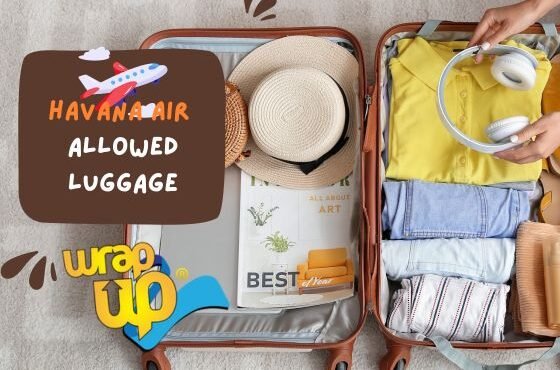
Havana Air Allowed Luggage: Everything You Need to Know

Traveling with Havana Air can be an exciting experience, especially if it’s your first time flying with them. Whether you’re planning to visit family in Cuba or simply explore the island, it’s crucial to understand Havana Air’s allowed luggage policies to avoid surprises at the airport.

In this article, we’ll break down everything you need to know about Havana Air’s baggage allowance, based on personal experiences and the most up-to-date information.


What Is Havana Air’s Baggage Policy?

Before flying, it’s essential to understand Havana Air’s baggage regulations. The airline allows each passenger to check one suitcase of up to 23 kg (50 lbs). Additionally, you can bring one piece of carry-on luggage, which must meet certain size and weight restrictions, generally around 8 kg (17 lbs).

I remember preparing for my trip to Havana last year. It was my first time flying with them, and I was excited but also concerned about exceeding the baggage limits. Since I wanted to bring gifts for my family in Cuba, I researched Havana Air’s policies and made sure to comply with the regulations.

If you’re worried about exceeding the weight limits or need to transport delicate items, I recommend using WrapToGo’s luggage wrapping and weighing services. Our company specializes in ensuring your luggage is properly packed and within airline regulations. This way, you can avoid airport issues and ensure that everything arrives in perfect condition. You can find more details about our services here.


How Many Suitcases Can You Bring on a Charter Flight to Cuba?

On charter flights operated by Havana Air between Miami and Havana, the baggage policy allows one checked suitcase, but you can add extra luggage for an additional fee. In addition to checked baggage, you are also allowed to bring one carry-on bag.

During my trip, I made sure to organize everything in my suitcase to stay within the 23 kg (50 lbs) limit. When I arrived at the airport counter, feeling a bit nervous, I was greeted by a very friendly staff. The agent noticed my concern and, with a smile, helped me weigh my luggage. It was a relief to know I was within the limit, but even more so to see that they were willing to help me reorganize my baggage if needed.

To avoid this anxiety, WrapToGo offers at-home luggage weighing services, ensuring that you’re ready to board without worries. It’s a great option if you want to avoid overweight fees and make sure you comply with Havana Air’s baggage policies.


How Many Pounds of Luggage Can You Take to Cuba?

The allowed baggage weight on Havana Air flights to Cuba varies depending on the type of luggage. Checked baggage has a limit of 50 lbs (23 kg), while carry-on luggage is usually limited to 17 lbs (8 kg). It’s important to check the exact regulations with the airline before your flight, as they may change depending on the season or flight type.

When organizing my luggage, I spent a lot of time making sure I didn’t exceed the weight limit. I knew I wanted to bring several gifts for my family, but I also understood that I needed to follow the airline’s strict regulations. Fortunately, with the help of the Havana Air team, I was able to fit everything perfectly.

To ensure you don’t exceed the weight limit, consider using WrapToGo’s luggage weighing services before heading to the airport. This allows you to have complete control and peace of mind, knowing that your luggage is within the permitted limits.


What Can You Bring in Your Carry-On Luggage to Cuba?

Carry-on luggage is a crucial part of any flight, and Havana Air is no exception. In your carry-on bag, you can bring essential personal items such as clothing, electronic devices, and medications. However, there are restrictions on liquids and sharp objects, just like on most international flights.

It’s essential to check the specific regulations for carry-on luggage to avoid any issues during boarding. My carry-on included some important belongings, and I made sure it met the allowed dimensions to prevent any problems at the airport.

Don’t risk traveling with poorly organized or damaged luggage—contact us at WRAPTOGO.


Havana Air Equipaje Permitido


Useful Tips for Traveling with Havana Air

If you’re planning a trip with Havana Air, here are some tips based on my experience:

  • Organize your luggage in advance: Make sure to check the airline’s policies before packing.
  • Be mindful of weight and dimensions: Use a scale at home to avoid surprises at the airport.
  • Ask for help if needed: If you have any questions, Havana Air’s staff is friendly and always willing to assist.

Remember, if you need additional assistance, WrapToGo is here to help with packing, weighing, and protecting your luggage.


You may be interested in: Smart Luggage: Is It Really Worth It?

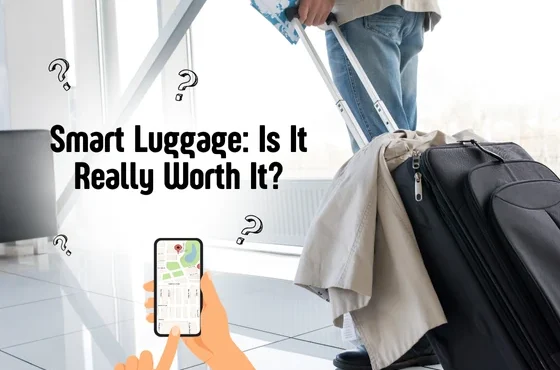
Smart Luggage: Is It Really Worth It?

A few years ago, if someone had told me that a suitcase could be tracked from a smartphone or unlocked with a fingerprint, I would have thought it was straight out of a sci-fi movie. But technology has advanced so much that smart luggage is now a reality, promising to make travel safer and more convenient.

I had my first experience with a smart suitcase when I decided to send my grandmother in Cuba a suitcase full of medicine and her favorite sweets. The idea of being able to track the luggage in real time seemed like a game-changer. But is smart luggage really worth it? Is it a useful investment or just an overpriced gadget?

In this article, I’ll break down everything you need to know about smart luggage, including how it works, its advantages, and the challenges you might face when using one.

What Do Smart Suitcases Do?

Smart suitcases come packed with technology to make traveling easier. Some of their most popular features include:

Real-time GPS tracking – Lets you see exactly where your bag is at any time.
Digital locks – Can be unlocked using a fingerprint, PIN code, or app.
Built-in chargers – Allows you to charge your phone, tablet, or other devices.
Integrated scale – Weighs your luggage to prevent excess baggage fees.
Self-following technology – Some models can roll behind you automatically.

When I sent my suitcase to Cuba, the real-time tracking was the feature that mattered the most to me. Knowing exactly where my bag was gave me peace of mind, especially since it contained important medications.

How Much Does Smart Luggage Cost?

The price of smart luggage varies depending on the brand, size, and features:

💰 Budget models ($100 – $200): Basic GPS tracking and removable battery.
💰 Mid-range models ($200 – $500): Digital locks and integrated scales.
💰 Premium models ($500+): High-end features like self-following and voice assistants.

Personally, I don’t think you need to spend a fortune to get a good smart suitcase. There are affordable options that offer the essentials, like GPS tracking and security features.

What Are the Downsides of Smart Luggage?

Smart luggage isn’t perfect, and I learned that the hard way. When I arrived at the airline to check my bag, I ran into an unexpected problem: lithium batteries.

Most airlines have strict regulations against non-removable lithium batteries in checked luggage. I had to explain to the airline staff that my suitcase’s battery was removable, but they still looked at it like it was some kind of high-tech contraption from a spy movie.

Other common downsides include:
🚨 Airport restrictions – Some airlines ban certain models.
🚨 Battery life – If it dies mid-trip, you lose key functions.
🚨 High price – Many travelers don’t see the extra cost as necessary.

What Is a Smart Bag and How Is It Different from a Regular Suitcase?

The term Smart Bag is just another way of saying smart suitcase. Unlike traditional luggage, these bags come with built-in tech features designed to improve security and convenience.

🆚 Key differences:

  • Security: Digital locks vs. traditional combination locks.
  • Tracking: GPS monitoring vs. no tracking.
  • Power source: Built-in charger vs. no charging capabilities.
  • Innovation: Some can follow you automatically vs. standard rolling suitcases.

From my experience, smart luggage isn’t perfect, but knowing exactly where my suitcase was at all times was a game-changer, especially for international shipping.

Final Verdict: Is Smart Luggage Worth It?

After using a smart suitcase myself, my verdict is clear: It’s worth it—but not for everyone.

If you travel frequently or need extra security for valuable items, the tracking and digital locks are great features. However, if you only travel occasionally and don’t want to deal with airline battery restrictions, a traditional suitcase may be a better choice.

For me, the peace of mind of tracking my suitcase in real time made all the difference. And the best part? Hearing my grandmother laugh as she told me how airport security in Cuba was fascinated by her “high-tech” suitcase. That moment alone made it all worth it.

So, if you’re wondering whether smart luggage is a good investment, my advice is simple: Think about your travel needs and whether these features will actually make your life easier.


You may be interested in: Travel Bags for Cuba: How to Choose the Best One for Your Trip

, ,