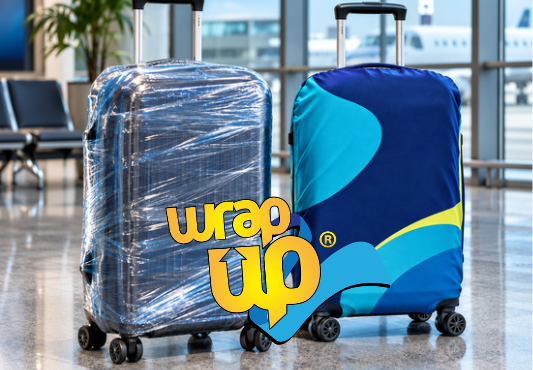
Luggage Wrapping vs. Luggage Covers: Which Protects Better?

Luggage wrapping vs luggage covers: which option protects your checked suitcase better? Airport handling can expose bags to scratches, dirt, moisture, and damage. Plastic wrapping creates a temporary protective barrier, while a reusable luggage cover shields the exterior across multiple trips. In this guide, we compare protection, cost, convenience, and TSA inspections so you can choose what works best for your travel style.

That is why many travelers consider luggage wrapping vs luggage covers when preparing their checked bags. Both options add a layer of protection, but they serve different purposes.

Plastic wrapping creates a temporary protective barrier around your suitcase. A reusable luggage cover, meanwhile, helps protect its exterior while offering convenience across multiple trips.

So, which option is better for your travel needs?

In this guide, we compare protection, convenience, cost, durability, and TSA inspections to help you make a smarter decision before your next flight.

What Is the Difference Between Luggage Wrapping and Luggage Covers?

Although both options help protect checked luggage, their materials, applications, and benefits are different.

Plastic Luggage Wrapping: A Temporary Protective Barrier

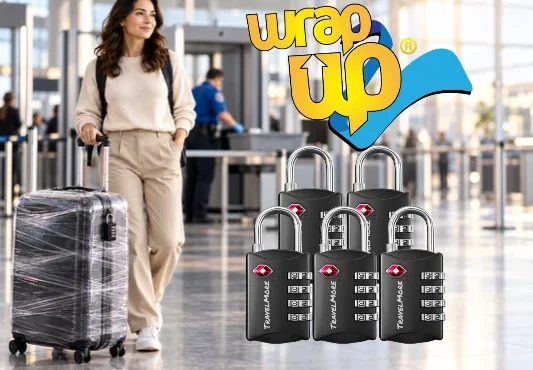
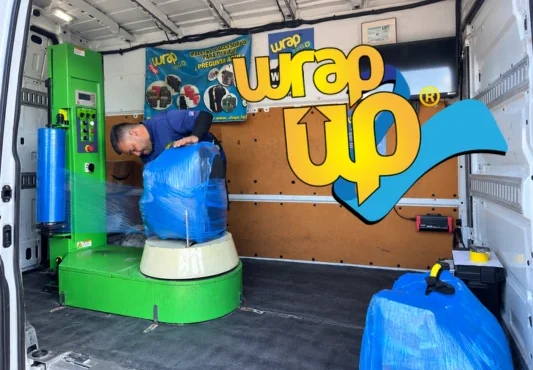
Plastic luggage wrapping involves applying multiple layers of stretch film tightly around a suitcase.

The film covers much of the luggage exterior, including zippers and seams, creating a temporary barrier against dirt, surface scratches, and incidental moisture.

One of its main advantages is tamper evidence. If someone opens a wrapped suitcase, the film generally must be cut or removed, leaving visible signs that the original wrapping has been disturbed.

Additionally, wrapping can help hold a suitcase together if a zipper becomes damaged during handling. However, it is not a substitute for properly functioning luggage.

Plastic wrapping is typically designed for single use and must be removed when you need access to your belongings.

  • 【6-Piece Set 】This package includes 6 clear pvc luggage protector covers in sizes 20, 22, 24, 26, 28, and 30 to fit most…
  • 【Transparent Design】Clear suitcase cover allows easy identification of your baggage at airports or hotels, eliminating c…
  • 【Secure Fit】Features three hook and loop strips at the bottom to keep the luggage plastic cover firmly in place, prevent…

Reusable Luggage Covers: Practical Protection for Frequent Travelers

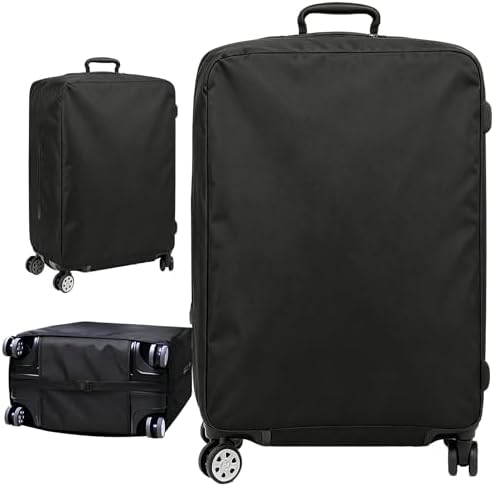
A luggage cover is a fitted protective sleeve placed over a suitcase.

Most covers are made from stretchable polyester, spandex blends, or transparent plastic materials such as PVC.

Unlike plastic wrapping, a suitcase cover can be removed, cleaned, and reused on future trips.

Its primary purpose is to reduce everyday wear, including surface scratches, scuffs, and dirt. Depending on the design, it may also make your luggage easier to identify at baggage claim.

However, most reusable covers do not create a tamper-evident seal around the suitcase.

Their effectiveness also depends on material quality, proper sizing, and how securely the cover stays in place.

Luggage Wrapping vs. Luggage Covers: Side-by-Side Comparison

Understanding how each option performs can make your decision easier.

FeaturePlastic WrappingReusable Luggage Cover
Scratch protectionGood surface protectionGood, depending on material
Dirt protectionCovers most exposed surfacesProtects covered areas
Moisture resistanceHelps resist incidental moistureVaries by material
Tamper evidenceVisible if wrapping is disturbedUsually limited
Damaged zipper supportCan temporarily help hold a bag closedLimited support
TSA inspectionMay require cutting the filmUsually removable
ReusabilitySingle-useReusable
Typical costPaid each timeOne-time purchase
Best suited forExtra protection on selected tripsFrequent travel

Neither option guarantees protection against theft, major impacts, or damage caused by improper baggage handling.

Instead, the best choice depends on what you want to protect against.

  • Our luggage covers are made from 300g elastic, 8% spandex and 92% polyester, making them durable and washable.Stylish gr…
  • Easy to install and remove. There are 2 openings at the top for the telescoping handle and carry handle, and there are s…
  • Our luggage covers protect your luggage from dirt and scratches. Double stitching throughout, full stretch and high elas…

Which Option Offers Better Luggage Protection?

The answer depends on whether your main concern is cosmetic damage, unauthorized access, or convenience.

Protecting Your Suitcase From Scratches and Dirt

If your priority is keeping your suitcase looking presentable, both options can help.

A fitted luggage cover reduces direct contact between the suitcase exterior and surrounding surfaces. This can be particularly useful for hard-shell luggage, where scuff marks may become noticeable over time.

Plastic wrapping provides a similar protective layer. Because the film fits closely around the suitcase, it can also cover seams and other exposed areas.

However, neither method prevents dents, cracked wheels, broken handles, or structural damage.

Reducing the Risk of Undetected Tampering

This is where plastic wrapping has a distinct advantage.

When properly applied, the film forms a visible barrier around the suitcase. Opening the bag generally requires disturbing that barrier.

As a result, wrapping may make unauthorized access more noticeable.

A reusable luggage cover can usually be removed and replaced without leaving obvious evidence.

Still, tamper evidence is not the same as theft prevention.

Someone determined to access a suitcase can cut through wrapping or remove a cover.

For this reason, travelers should keep important documents, jewelry, essential medications, and valuable electronics in their carry-on luggage whenever permitted.

Protection Against Rain and Spills

Airport baggage can occasionally encounter rain, spilled liquids, or damp surfaces.

Plastic wrapping helps limit direct exposure to incidental moisture. However, gaps around wheels, handles, and other openings mean it should not be considered fully waterproof.

Reusable covers offer different levels of moisture resistance.

Some polyester covers provide basic protection, while certain plastic covers resist water more effectively.

For either option, sensitive belongings should also be protected inside the suitcase.

  • Suggested uses, luggage, backpacks, bags, small cabinets, briefcases, computer bags, for indoor use only
  • Tsa – Accepted luggage lock ideal for air travel
  • Durable metal construction

Is Luggage Wrapping More Expensive Than a Reusable Cover?

Cost is another important difference when comparing luggage wrapping vs luggage covers.

The Cost of Plastic Luggage Wrapping

Plastic wrapping is generally priced per suitcase and per application.

For example, airport wrapping services may cost around $30 per bag, although prices depend on the airport and service provider.

For travelers departing from South Florida, WrapToGo offers luggage wrapping at home starting at $9.99 per suitcase when wrapping two or more bags, with weighing included.

Because wrapping is single-use, the cost increases with each new application.

The Long-Term Value of Reusable Luggage Covers

A reusable luggage cover may cost approximately $25–$60, depending on its material, quality, and size.

Although the initial purchase may be more expensive than one wrapping service, the cover can be used repeatedly.

Consider a traveler who protects two checked bags on four departures throughout the year.

At an illustrative wrapping price of $9.99 per bag, eight applications would cost approximately $79.92.

At $30 per bag, those same eight applications would total $240.

By comparison, two reusable covers costing $25–$60 each would require an initial investment of approximately $50–$120.

Therefore, frequent travelers may save money with reusable covers over time.

However, wrapping can still offer better value when a traveler specifically wants a tamper-evident barrier for an occasional trip.

These prices are illustrative and may vary by location, provider, material, and additional service charges.

What Happens if TSA Needs to Inspect Your Wrapped Luggage?

Security screening is an important consideration before choosing either option.

The Transportation Security Administration (TSA) may open checked baggage when additional inspection is necessary.

Can TSA Remove Plastic Wrapping?

Yes. If a suitcase requires physical inspection, TSA officers may need to cut or remove its plastic wrapping.

The original wrapping should not be expected to remain intact or be replaced after the inspection.

Therefore, travelers should understand that wrapping does not prevent authorized security inspections.

For current screening procedures, consult the Transportation Security Administration’s official travel guidance.

Are Reusable Luggage Covers Easier to Inspect?

In many situations, yes.

A removable cover generally allows access to the suitcase without cutting through layers of plastic film.

However, officers may need to remove the cover, and difficult-to-remove designs can complicate the inspection.

A well-fitting cover that is easy to remove and reinstall may be more convenient.

Travelers may also consider a TSA-recognized luggage lock, which allows authorized inspection using compatible tools. Even then, no lock or protective cover makes luggage completely theft-proof.

How to Choose the Right Protection for Your Travel Style

Not every traveler needs the same luggage protection.

Before making your decision, consider your travel frequency, suitcase condition, destination, and budget.

Choose a Reusable Luggage Cover If You:

  • Travel frequently for business or leisure.
  • Want to reduce everyday scratches and scuffs.
  • Prefer a reusable option instead of disposable wrapping.
  • Want to make your suitcase easier to recognize.
  • Value convenience and lower long-term protection costs.

A durable, properly fitted cover can be a practical accessory for a suitcase you use regularly.

Choose Plastic Wrapping If You:

  • Want a visible indication that the original wrapping has been disturbed.
  • Are preparing for a trip involving multiple baggage-handling stages.
  • Need additional temporary protection against dirt or incidental moisture.
  • Prefer a protective layer applied shortly before departure.
  • Are using a wrapping service that also offers luggage weighing.

Keep in mind that wrapping does not compensate for broken luggage components or improper packing.

Can You Use Both?

Yes, but combining them is not always necessary.

For example, a traveler might use a reusable cover during everyday travel and choose professional wrapping for a particular itinerary.

Using both simultaneously may add bulk and complicate baggage inspections without providing a meaningful benefit.

A better approach is to select the protection that addresses your actual concerns.

Smart Packing Tips to Protect Your Luggage Before Every Flight

Whether you choose wrapping or a reusable cover, good packing habits remain essential.

Before checking your luggage:

  1. Check airline baggage limits. Confirm weight and size restrictions for your route and fare.
  2. Weigh your suitcase at home. Avoid unexpected overweight fees at the airport.
  3. Inspect zippers, wheels, and handles. Repair or replace damaged luggage before departure.
  4. Avoid overpacking. Excess pressure can strain seams and zippers.
  5. Remove outdated baggage tags. Keep only the identification needed for your current trip.
  6. Keep valuables in your carry-on. Do not depend on external protection to secure expensive belongings.

These steps help reduce avoidable problems, regardless of the protective method you choose.

Additionally, selecting well-constructed luggage can make a significant difference over time.

Strong seams, reliable closures, functional wheels, and appropriate bag dimensions are essential considerations.

Travel Smarter With the Right Luggage Protection

Choosing between luggage wrapping vs luggage covers comes down to your travel priorities.

Plastic wrapping is a practical option when you want temporary protection and visible signs of tampering.

Reusable luggage covers are often more convenient and economical for travelers who want to reduce everyday exterior wear across multiple trips.

Neither option replaces quality luggage, responsible packing, or smart travel habits.

Ultimately, protecting your belongings begins with choosing dependable travel equipment and preparing thoughtfully.

Smart travel starts with the right bag. Explore WrapUp’s collection of travel bags and accessories to find practical options for your next journey.

👉 You may be interested in: Can TSA Open Wrapped Luggage? What Travelers Should Know

Can TSA Open Wrapped Luggage? What Travelers Should Know

You carefully pack your suitcase, wrap it for extra protection, and head to the airport. But one important question remains: can TSA open wrapped luggage if security officers need to inspect your bag?

Yes. TSA officers can open checked luggage whenever security screening requires a closer inspection. Plastic wrapping does not prevent them from accessing your belongings.

However, luggage wrapping still serves a useful purpose. It helps protect the exterior of your suitcase from dirt, minor scratches, and everyday wear during travel.

Understanding how airport security handles wrapped luggage can help you prepare better, protect your belongings, and travel with greater confidence.

Can TSA Open Wrapped Luggage During Airport Screening?

TSA screens checked luggage before airlines load it onto aircraft. Security officers use screening technology to identify potential threats and determine whether a bag requires additional inspection.

If officers need to inspect your suitcase, they may cut or remove its plastic wrapping to access the contents.

The Transportation Security Administration’s official security screening guidance explains the security procedures travelers should understand before flying.

Does Plastic Wrapping Prevent TSA Inspections?

No. Plastic wrapping cannot prevent security officers from examining a suitcase.

Wrapping primarily protects the bag’s exterior. It does not replace approved luggage locks or change security requirements.

Therefore, travelers should treat luggage wrapping as an extra protective layer rather than a way to restrict security access.

  • Precision Fit Luggage Cover Compatible with Tumi Luggage, Fits 24-25 Inch Models: This stretch suitcase cover fits snugl…
  • Premium Durable Material: Crafted from heavy-duty 1680D Oxford fabric, this luggage cover offers superior tear resistanc…
  • Multi-Access Side Zipper Design: Features double waterproof zippers on both sides, allowing easy access to the side hand…

Does Wrapping Your Suitcase Increase the Chance of TSA Inspection?

Plastic wrapping alone does not establish that a bag requires additional screening.

TSA uses several screening methods to determine whether officers need to examine the contents of checked luggage.

Security personnel may conduct additional inspections when screening identifies a concern that requires further examination.

For that reason, travelers should focus on packing correctly instead of assuming plastic wrapping will influence the inspection process.

What Happens When TSA Removes Luggage Wrapping?

When officers need access to a wrapped suitcase, they may follow these steps:

  1. Examine the luggage through the applicable screening process.
  2. Cut or remove the plastic wrapping if physical access becomes necessary.
  3. Open the suitcase and inspect its contents.
  4. Return the belongings to the bag after completing the inspection.
  5. Close the suitcase so it can continue through the baggage-handling process.

TSA generally leaves a notice when officers physically inspect checked luggage.

However, travelers should not expect TSA to replace plastic wrapping after an inspection.

What Does Luggage Wrapping Actually Protect?

Luggage wrapping offers practical benefits, especially when baggage handlers move suitcases through busy airports.

Depending on the material and wrapping technique, plastic film can help protect against:

  • Surface scratches: An exterior barrier can reduce direct contact with rough surfaces.
  • Dirt and dust: Wrapping helps keep the suitcase exterior cleaner during handling.
  • Minor moisture exposure: Plastic film can provide limited protection against splashes and light moisture.
  • Loose exterior components: Proper wrapping may help contain straps or other external parts.
  • Visible interference: Damage to the wrapping can make certain forms of handling or interference more noticeable.

Nevertheless, plastic wrapping cannot guarantee protection against serious impacts, theft, water damage, or broken luggage components.

Why Quality Travel Bags Still Matter

A durable travel bag provides the foundation for protecting your belongings.

Strong zippers, reinforced handles, practical compartments, and suitable materials help luggage withstand normal travel conditions.

In addition, a thoughtfully designed bag can make airport transfers, hotel check-ins, and everyday transportation much easier.

The best approach combines dependable travel gear with practical packing habits.

Should You Use a TSA-Recognized Lock on Wrapped Luggage?

A TSA-recognized luggage lock can complement plastic wrapping, but each accessory serves a different purpose.

Plastic wrapping adds an exterior protective layer. A luggage lock helps secure the suitcase’s main opening.

TSA officers can use compatible access tools to open many TSA-recognized locks when an inspection requires it.

However, officers may still need to cut a lock if they cannot open it using the available tools.

Can TSA Open Your Suitcase Without Damaging the Lock?

Often, yes, when the bag uses a compatible TSA-recognized locking system.

Still, travelers should never assume that a particular lock guarantees access without damage.

Before departure, check your luggage hardware and ensure that you can open and close your suitcase without difficulty.

How to Pack Your Luggage for Easier TSA Inspections

Smart packing helps protect your belongings whether you wrap your suitcase or leave it uncovered.

A little preparation can also make unexpected inspections less stressful.

1. Keep Important Items in Your Carry-On

Carry travel documents, valuable electronics, essential medication, and irreplaceable belongings with you whenever security and airline rules permit.

This approach helps you keep important items accessible throughout your journey.

2. Organize Your Belongings With Packing Accessories

Packing cubes, organizers, and separate compartments help prevent loose items from shifting inside your bag.

They also make unpacking and repacking more convenient.

3. Protect Liquids and Fragile Items

Place liquids inside leak-resistant containers and use an additional protective pouch when appropriate.

For fragile belongings, choose padded compartments or surround the items with soft clothing.

4. Add Identification Inside Your Bag

Attach a luggage tag to the exterior and include a separate identification card inside.

If the exterior tag becomes detached, the information inside may help identify your belongings.

5. Check Your Baggage Weight Before Traveling

Every airline establishes its own baggage allowances and applicable fees.

Check your airline’s current weight and size restrictions before departure.

Weigh your bag at home so you have time to make adjustments if necessary.

  • 【DESIGNED FOR 28″ LARGE CHECKED LUGGAGE】Made to fit standard 28-inch checked suitcases, this 6-piece compression packing…
  • 【HANDLE MORE CLOTHES WITH LESS CLUTTER】Oversized packing cubes are designed for bulkier clothing such as jackets, sweate…
  • 【6-PIECE PACKING CUBES FOR EASY ORGANIZATION】Different cube sizes help separate clothing, undergarments, shoes, toiletri…

Choose Travel Gear That Makes Every Journey Easier

Smart travel begins long before you arrive at the airport.

Choosing the right luggage can improve organization, comfort, and convenience throughout your trip.

Before purchasing a travel bag, consider its weight, storage capacity, construction, portability, and intended use.

For example, a compact weekender may work well for a short getaway. Meanwhile, a larger travel bag may provide more flexibility for longer trips.

Explore WrapUp travel bags and accessories to discover practical options for organizing your belongings and preparing for your next adventure.

Can TSA Open Wrapped Luggage? The Final Answer

Yes, TSA can open wrapped luggage whenever security procedures require an inspection.

Plastic wrapping may help protect your suitcase’s exterior, but it cannot prevent authorized access to the bag.

The most effective travel preparation combines durable luggage, organized packing, appropriate security accessories, and a clear understanding of airport procedures.

Whether you are traveling for business, visiting family, or planning your next vacation, preparation makes the entire experience easier.

Travel smarter from the start. Discover practical travel bags and accessories at WrapUp and prepare for your next journey with confidence.

👉 You may be interested in: 🧳 Best Checked Luggage Protection Accessories: 5 Smart Picks

🧳 Best Checked Luggage Protection Accessories: 5 Smart Picks

Traveling with checked baggage can be stressful, especially when your suitcase contains valuable belongings. From airport conveyor belts to crowded cargo holds, luggage faces several challenges before reaching its destination.

Fortunately, choosing the best checked luggage protection accessories can help reduce common travel risks without complicating your packing routine.

Whether you’re preparing for an international vacation or a short business trip, the right accessories can make a noticeable difference. Moreover, protecting your suitcase involves more than simply choosing a strong bag.

In this guide, we’ll explore five practical solutions that help protect your luggage, organize your belongings, and make every trip more convenient.

🔒 1. TSA-Approved Locks for Better Luggage Security

A reliable luggage lock is one of the simplest accessories to add before checking your suitcase.

Although no lock guarantees complete security, a TSA-approved lock can discourage casual access and help keep zipper pulls secured during transportation.

Why Choose a TSA-Approved Lock?

For flights involving U.S. security screening, TSA-accepted locks offer a practical advantage.

For example, authorized security officers can open compatible locks using specialized tools when an inspection is required. Consequently, they may not need to cut the lock to access your bag.

Additionally, a quality lock is lightweight, easy to use, and suitable for many zipper-equipped suitcases.

Travel tip: Keep passports, essential medication, expensive electronics, and important documents in your carry-on whenever possible.

For additional information, review the official TSA security screening guidelines.

  • MOST DURABLE TSA RECOGNIZED AND ACCEPTED LUGGAGE LOCK. Forge TSA locks are designed from the ground up to be the toughes…
  • EASY TO SET 3 DIGIT COMBINATION. Our combination locks have an easy to use lever mechanism to set the combination. Simpl…
  • SECURITY WITH THE FLEXIBILITY OF A CABLE LOCK. Cable locks can handle situations that normal lock shackles simply can’t….

🛡️ 2. Protective Luggage Wrapping for Extra Coverage

Airport baggage handling can expose suitcases to scratches, dirt, moisture, and accidental impacts.

Therefore, protective luggage wrapping is another useful option for travelers who want additional exterior coverage.

Plastic stretch film creates a barrier around the suitcase and can help reduce surface scuffs and exposure to minor spills.

Is Luggage Wrapping Worth It?

For travelers checking expensive or frequently used luggage, wrapping may provide additional peace of mind.

Furthermore, the film can reveal visible signs of removal or interference, although it should never be considered a tamper-proof security system.

However, airport security personnel may remove wrapping when an inspection is necessary.

Travel tip: Consider wrapping your suitcase before arriving at the airport to avoid spending additional time at a wrapping counter.

For travelers departing from Miami, WrapToGo offers an at-home luggage wrapping and weighing service.

🎒 3. Packing Cubes to Protect and Organize Belongings
While exterior protection matters, organizing the inside of your suitcase is equally important.

Packing cubes help separate clothing, accessories, and personal items into manageable compartments.

As a result, belongings are easier to locate, and loose items are less likely to shift throughout the suitcase.

How to Pack More Efficiently

Start by grouping similar items together.

For example, place shirts in one cube, undergarments in another, and travel accessories in a separate compartment.

Additionally, use soft clothing to cushion delicate items positioned toward the center of your bag.

For liquids, choose sealed, leak-resistant containers and place them inside protective pouches.

Travel tip: Avoid overfilling packing cubes. Excessive compression can place unnecessary pressure on fragile belongings and suitcase zippers.

  • Fast Cordless Compression: The rechargeable 4800Pa electric pump removes air quickly without a wall outlet. Its compact …
  • Create More Packing Space: Compress clothing, jackets and other soft items to make better use of luggage, closets and un…
  • 10 Pack with 3 Versatile Sizes: Includes 4 Small (15.75 × 21.26 in), 4 Medium (18.5 × 25.20 in) and 2 Large (21.26 × 29….

🏷️ 4. Luggage Tags and Trackers for Easier Identification

Even a well-protected suitcase can become delayed or misplaced during a trip.

Therefore, luggage identification accessories deserve a place on every travel checklist.

A durable luggage tag helps airport personnel identify your suitcase, while a compatible Bluetooth tracker may provide useful location information.

Why Use Both?

A physical tag displays your contact information when someone finds your bag.

Meanwhile, a tracker can help you check its last reported location through a compatible device or network.

However, tracking performance depends on device compatibility, network coverage, and battery condition.

Additionally, place a second identification card inside your suitcase in case the exterior tag becomes detached.

Travel tip: Photograph your suitcase before checking it. This makes describing the bag easier if you need assistance locating it.

🧳 5. Durable Travel Bags: Your First Line of Protection

Among the best checked luggage protection accessories, one factor is often overlooked: the quality of the luggage itself.

After all, protective accessories work best when paired with reliable travel gear.

For example, a suitcase with strong zippers, reinforced corners, and durable wheels is generally better prepared for repeated handling than one with existing structural damage.

What Should You Look for in Travel Luggage?

Before choosing your next travel bag, consider these practical features:

  • Durable materials: Designed to withstand regular handling.
  • Reliable zippers: Smooth closures without damaged teeth.
  • Reinforced construction: Added support in high-stress areas.
  • Functional compartments: Better organization for different belongings.
  • Comfortable handling: Practical handles and wheels for easier movement.

Additionally, consider the type of travel you do most often.

For instance, a flexible travel bag may be convenient for short trips, while a sturdy checked suitcase may be more appropriate for longer journeys.

At WrapUp, we believe travel gear should combine practical functionality with everyday convenience.

Therefore, choosing the right bag is not simply about appearance. It’s about finding equipment that fits your travel habits and packing needs.

  • 360° 8-Wheel Spinner System: Enjoy effortless mobility with smooth-glide spinner wheels for seamless navigation through …
  • Durable & Lightweight Hardshell: Crafted from impact-resistant ABS/PC material with aluminum telescopic handles, combini…
  • Expandable Capacity & Interior Organization: Each piece features expandable zippers, adjustable compression straps, and …

✈️ How to Combine Luggage Protection Accessories

Buying several accessories does not automatically guarantee better protection.

Instead, the smartest approach is to choose complementary solutions that address different travel risks.

For example, a reliable suitcase provides the foundation, while a TSA-approved lock helps secure its zipper pulls.

Similarly, packing cubes organize the contents, and protective wrapping adds exterior coverage.

Finally, luggage tags and trackers make identification easier if baggage handling does not go as planned.

A Quick Preflight Checklist

Before heading to the airport:

  1. ✅ Check your suitcase, wheels, handles, and zippers.
  2. ✅ Organize clothing and accessories with packing cubes.
  3. ✅ Secure the zipper pulls with a TSA-approved lock.
  4. ✅ Attach a luggage tag and verify your tracker.
  5. ✅ Weigh your suitcase and confirm your airline’s baggage allowance.
  6. ✅ Consider exterior wrapping for additional protection.

By following these steps, you can reduce avoidable problems and feel more prepared for your journey.

🌍 Travel Smarter With the Right Protection

Choosing the best checked luggage protection accessories means focusing on practical value rather than unnecessary travel gadgets.

Although no product can prevent every possible baggage problem, combining durable luggage with smart accessories helps reduce common risks.

Moreover, preparation at home gives you more control over your belongings before the airport journey begins.

Ready to improve your travel setup? Explore WrapUp’s travel gear and discover practical options for your next adventure.

Smart travel starts with smart preparation.

👉 You may be interested in: Best TSA-Approved Toiletry Bag: Smart Carry-On Guide

,

Best TSA-Approved Toiletry Bag: Smart Carry-On Guide

Choosing the best TSA-approved toiletry bag can make your airport routine faster, cleaner, and far less stressful. ✈️ After all, a carry-on toiletry bag is not just another travel accessory. It helps you organize liquids, avoid unnecessary repacking, and reach the security checkpoint with greater confidence.

However, not every clear pouch marketed for travel works equally well. Some are too large, while others have weak closures or bulky frames. Therefore, knowing what to look for before you buy can save space, reduce leaks, and simplify your packing routine.

In this guide, you will learn how to choose the right transparent toiletry bag, understand the TSA 3-1-1 liquids rule, and organize your toiletries efficiently for your next trip.

What Makes the Best TSA-Approved Toiletry Bag?

The best TSA-approved toiletry bag should combine practical size, transparency, durability, and easy access. Most importantly, it should help you organize your permitted liquids without encouraging you to overpack.

Although many products use the words “TSA approved,” the label alone does not guarantee practical compliance. Instead, travelers should focus on the bag’s dimensions, material, closure, and usable capacity.

In addition, a good bag should let security officers see the contents easily. A transparent design can also help you identify your toiletries quickly before leaving home.

Look for a Clear and Transparent Design 👀

First, choose a bag made from clear or highly transparent material. Visibility matters because your liquids should be easy to inspect.

Moreover, a transparent bag helps you check container sizes before you reach the airport. As a result, you are less likely to discover an oversized bottle while standing in the security line.

Opaque fabric, dark panels, and excessive decorative sections can make inspection less convenient. Therefore, simple construction often works better than elaborate designs.

Choose a Secure Resealable Closure

A strong zipper or resealable track is another important feature. Your bag should close completely without requiring excessive pressure.

In addition, the closure should remain secure when you lift, move, or compress the pouch inside your carry-on. Weak zippers can open unexpectedly, while poorly sealed containers may leak onto clothing or electronics.

For that reason, choose a design that balances flexibility with structure.

  • 𝐋𝐚𝐫𝐠𝐞 𝐂𝐚𝐩𝐚𝐜𝐢𝐭𝐲: Medium size: Rolled – 11” x 3.7″ x 7.9″; Opened – 9.5” x 4″ x 26.5; Large size :Rolled: 12.2” x 4″ x …
  • 𝐓𝐫𝐚𝐯𝐞𝐥 𝐅𝐫𝐢𝐞𝐧𝐝𝐥𝐲: Separate TSA-approved transparent toiletry bag strictly follows 3-1-1 regulations. Easy and quick to pa…
  • 𝐂𝐨𝐧𝐯𝐞𝐧𝐢𝐞𝐧𝐭 𝐃𝐞𝐬𝐢𝐠𝐧: Stow-away 360-degree swivel non-slip metal hook for versatile hanging options; carry handle doubles a…

Understanding the TSA 3-1-1 Liquids Rule

Before selecting the best TSA-approved toiletry bag, it helps to understand what the bag actually needs to hold.

Under the TSA 3-1-1 liquids rule, carry-on liquids, gels, aerosols, creams, and pastes generally need to be stored in containers of 3.4 ounces or 100 milliliters or less. In addition, those containers must fit inside one clear, quart-size, resealable bag.

Importantly, the limit applies to the capacity of the container, not the amount of product remaining inside it. Therefore, a half-empty six-ounce shampoo bottle is still considered oversized.

You can review the latest official requirements directly on the Transportation Security Administration website before traveling.

What Counts as a Liquid?

Many travelers think only shampoo and beverages count as liquids. However, the category is much broader.

For example, toothpaste, sunscreen, perfume, lotion, liquid foundation, mascara, shaving cream, hair gel, lip gloss, and contact-lens solution may all fall under the liquid restrictions.

Therefore, review your entire toiletry kit instead of focusing only on obvious liquids.

On the other hand, solid toiletries can help you save valuable bag space. Bar soap, shampoo bars, toothpaste tablets, solid deodorant, and some powdered cosmetics can often stay outside your liquids bag.

As a result, replacing one or two liquid products with solid alternatives may make packing significantly easier.

Best TSA-Approved Toiletry Bag Features to Compare

A smart purchase depends on more than appearance. Although style matters, functionality becomes far more important when you are packing limited carry-on space.

Therefore, compare the following features before choosing your travel pouch:

  • Transparent construction: makes items easier to identify and inspect.
  • Quart-size capacity: helps you stay within the standard carry-on liquids allowance.
  • Reliable zipper or seal: reduces accidental opening and helps contain spills.
  • Flexible walls: allow containers of different shapes to fit efficiently.
  • Leak-resistant seams: add useful protection against minor spills.
  • Compact shape: makes the pouch easier to remove from your carry-on.
  • Durable material: supports repeated use across multiple trips.

Additionally, avoid designs with overly rigid frames or unnecessary interior dividers. While they may look organized, they can reduce usable space.

  • 【TSA Approved】The 7.7 x 5.9 x 2.5 inch clear toiletry bag strictly follow 3-1-1 liquids rule for carry-on bag of all air…
  • 【See-though & Reinforced Seams】Made of 0.6mm thick transparent PVC, eco-friendly to see and get items quickly. Reinforce…
  • 【High Quality & Reusable】Sturdy metal zippers work smoothly and can be closed firmly. Strong thickness make the bag more…

Flat Pouch or Structured Toiletry Bag?

Travelers often choose between flat zip pouches and more structured toiletry organizers.

A flat pouch is usually lightweight and space-efficient. Because its walls flex around the contents, it can accommodate small bottles without creating excessive bulk.

Therefore, this style works especially well for travelers who prioritize simplicity.

Structured bags, meanwhile, may offer more organization and can sometimes stand upright. However, extra depth can also encourage overpacking.

In addition, multiple compartments, thick borders, and fabric panels may make the bag larger than necessary.

For liquids, a simple clear pouch is often the most practical choice. Meanwhile, a larger organizer can hold dry toiletries such as toothbrushes, razors, combs, solid cosmetics, and other accessories.

That combination gives you organization without overcrowding your liquids bag.

How to Pack Your Clear Toiletry Bag Efficiently 🧴

Even the best TSA-approved toiletry bag will not help much if you overfill it.

First, gather every toiletry you plan to carry. Then, separate liquids, gels, creams, pastes, and aerosols from solid products.

Next, check the capacity printed on every regulated container. Remember, a larger bottle does not become compliant simply because it is almost empty.

After that, remove duplicates and unnecessary backup products. For short trips, you may need far less shampoo, lotion, or toothpaste than you normally use at home.

In addition, consider transferring suitable products into smaller leak-resistant travel bottles. Clearly labeling those bottles can make identification easier.

Finally, arrange the containers so the bag closes comfortably. Leave a little space rather than forcing the zipper shut.

A Simple Packing Order

Place taller bottles toward the back or along one edge. Then, position shorter tubes and containers in front of them.

Moreover, keep frequently used items easy to reach. For example, if you expect to remove your liquids bag during screening, place the entire pouch near the top of your carry-on.

As a result, you will not need to unpack clothing or accessories at the checkpoint.

  • 【Travel toiletry bag size】Clear makeup bag size:7.87 x 6 x 2 inch.The transparent design complies with airline TSA 3-1-1…
  • 【Clear bag】This toiletry bag is lightweight and portable with a large top opening design for easy access. There is also …
  • 【Multi-functional】This clear bag is not only a travel essentials, but also suitable for daily office, gym, business trip…

Common Toiletry Packing Mistakes to Avoid ⚠️

One of the most common mistakes is packing full-size bottles in carry-on luggage. Even when only a small amount remains inside, the container itself may exceed the permitted capacity.

Another common mistake is using several liquids bags. Instead, ordinary travel-size liquids generally need to fit within the applicable single-bag allowance.

In addition, travelers sometimes forget that creams, gels, sprays, and pastes can fall under liquid screening rules.

Therefore, do not overlook mascara, mouthwash, sunscreen, liquid makeup, gel deodorant, or hair styling products.

Overpacking is another problem. If the bag cannot close normally, remove something rather than forcing it shut.

Finally, inspect your bottles for damage before leaving home. Cracked containers and loose caps can cause leaks during the trip.

What About Medication and Special-Use Liquids?

Some medically necessary liquids and certain infant or child-related items may qualify for exceptions from standard liquid limits.

However, these items can require separate declaration or additional screening.

For that reason, keep essential medications accessible rather than burying them inside your luggage. When appropriate, keeping prescriptions in their original packaging can also make identification easier.

Nevertheless, screening officers make the final checkpoint decisions. Therefore, travelers with specialized products should review official guidance before departure.

This is especially important when carrying medical solutions, liquid nutrition products, baby formula, breast milk, specialty aerosols, or other unusual items.

Choosing a Toiletry Bag for Different Types of Trips

Your ideal bag may also depend on how you travel.

For a short business trip, a minimalist clear pouch can be ideal. In addition, multipurpose products can reduce the number of containers you need.

For family travel, each passenger can organize an appropriate liquids bag rather than combining everyone’s toiletries into one overcrowded pouch.

Meanwhile, camping and outdoor trips may benefit from solid shampoo, soap bars, toothpaste tablets, and other compact alternatives.

International travel requires additional planning. Although U.S. travelers may be familiar with TSA rules, another country or transit airport may apply different procedures.

Therefore, review the requirements for your departure airport, connecting airports, and destination before packing.

  • TSA Approved & 5 Pack Family Set: These clear toiletry bags strictly follow the 3-1-1 liquids rule with precise quart si…
  • Reinforced Leak-Resistant Construction: Crafted from sturdy PVC with double-stitched seams to prevent splitting; the smo…
  • Low-odor & Use With Confidence: Each bag includes a deodorizing packet to reduce odors inside; like most new PVC bags, t…

Carry-On vs. Checked Luggage for Toiletries

If you are checking a suitcase, you may have more flexibility with larger toiletries.

For example, full-size shampoo, lotion, perfume, and backup personal-care products may be packed in checked baggage when permitted.

However, you should still secure them carefully against leaks. In addition, review airline restrictions for aerosols, flammable products, and other regulated materials.

Your carry-on, meanwhile, should contain essential products you may need during delays or lost-baggage situations.

Therefore, medication, basic hygiene products, and a small set of personal-care essentials are often worth keeping with you.

For more smart travel ideas and packing accessories, explore WrapUp travel essentials before your next trip. 🎒

Is a Reusable Clear Toiletry Bag Worth It?

For frequent travelers, a durable reusable pouch can be a practical investment.

First, you avoid searching for disposable plastic bags before every trip. In addition, a stronger zipper and reinforced seams may provide better protection against leaks.

A reusable bag can also make your travel routine more consistent. You can keep travel-size containers together between trips and simply review them before departure.

However, inspect the bag regularly. If the zipper stops closing securely or the seams begin separating, replace it.

Likewise, wash and dry the bag thoroughly after any spill. A clean pouch protects your other belongings and makes future packing easier.

How to Choose the Best TSA-Approved Toiletry Bag Before You Buy

Before making a purchase, think about how you actually travel.

If you take short trips, prioritize lightweight construction and compact dimensions. On the other hand, frequent travelers may value thicker material and reinforced seams.

In either case, avoid choosing a bag only because its product title says “TSA approved.”

Instead, confirm its dimensions, transparency, closure design, and actual interior space.

Moreover, think about accessibility. A pouch that fits perfectly at home but becomes difficult to remove from your packed carry-on may create unnecessary frustration at the airport.

For that reason, the smartest choice is usually simple, visible, compact, and easy to handle.

You can also browse more smart travel gear from WrapUp while building a more organized packing system.

Travel Smarter With the Right Toiletry Bag ✈️

The best TSA-approved toiletry bag is not necessarily the most complicated or stylish option. Instead, it is the one that keeps your essential liquids visible, organized, secure, and easy to access.

Therefore, focus on transparency, practical dimensions, a reliable closure, durable construction, and efficient interior space.

At the same time, remember that the bag itself is only part of the equation. Your containers must also meet applicable requirements, and airport screening procedures can change.

Finally, review current TSA guidance before every trip, especially when carrying medications, unusual liquids, or specialty products.

Smart travel begins with smart organization. Explore WrapUp and find practical travel gear designed to make every journey simpler, cleaner, and better organized.

👉 You may be interested in: Durable Duffel Bags for Travel: Care Guide

Durable Duffel Bags for Travel: Care Guide

A good duffel bag can travel with you for years. However, even durable duffel bags for travel need proper care to stay clean, functional, and ready for the next trip. Dirt, moisture, overpacking, and poor storage can slowly damage fabric, zippers, handles, and seams.

Fortunately, maintaining your travel bag does not require complicated routines. In fact, a few simple habits can make a noticeable difference. From cleaning stains quickly to storing your bag correctly, regular care can protect both its appearance and performance.

Moreover, smart maintenance helps you get more value from your travel gear. Instead of replacing a bag because of avoidable damage, you can preserve the one you already enjoy using. 🧳

So, how do you keep a duffel bag in great condition? Here is a practical guide for travelers who want their bags to last.

Why Durable Duffel Bags for Travel Still Need Proper Care

Durability does not mean a bag is indestructible. Instead, it means the materials and construction are designed to handle repeated use better. Nevertheless, every trip exposes a duffel to friction, dirt, pressure, moisture, and changing environments.

For example, your bag may rest on an airport floor, slide through a vehicle trunk, or sit beneath other luggage. Likewise, outdoor trips may expose it to sand, mud, rain, or dust.

As a result, small amounts of wear gradually accumulate.

Regular care helps reduce that damage. In addition, inspecting the bag between trips allows you to catch small problems before they become expensive or permanent.

A well-maintained duffel can also look better for longer. Therefore, caring for your bag is not only about durability. It is also about protecting the clean, organized look that makes traveling feel easier.

Think of Maintenance as Part of Smart Travel

Travelers often spend time organizing clothes, checking tickets, and planning transportation. However, luggage maintenance is easy to overlook.

That habit is worth changing.

After all, your bag protects many of the things you need during a trip. Therefore, giving it a few minutes of attention after traveling can help prepare it for the next journey.

Even better, routine maintenance usually takes less time than trying to repair heavy damage later.

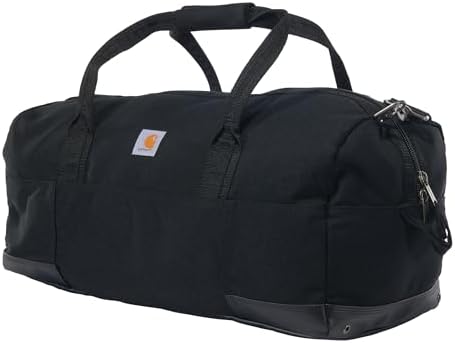
  • 55L CLASSIC DUFFEL| Mid-size 55L Carhartt duffel with Duravax base protection the ideal bag for multi-day trips, gym hau…
  • 1200D POLYESTER + DURAVAX BASE| Rugged 1200-denier polyester with Rain Defender DWR and a Duravax abrasion-resistant bas…
  • SPACIOUS ORGANIZATION| Large main compartment plus multiple interior zippered pockets give you plenty of room to pack ev…

How to Clean a Duffel Bag Without Damaging It

Before cleaning any travel bag, first check the manufacturer’s care label. Different materials require different cleaning methods, and a technique that works for one fabric may damage another.

In addition, empty every pocket before you begin. Remove receipts, tags, wrappers, coins, and other small objects. Then shake the bag gently to remove loose dirt or debris.

Whenever possible, start with the least aggressive cleaning method. This approach reduces unnecessary stress on the material.

Cleaning Nylon and Polyester Duffel Bags

Nylon and polyester are common choices for travel gear because they can be lightweight and practical. However, they still collect surface dirt.

First, use a soft damp cloth to wipe the exterior. If necessary, add a small amount of mild soap to the cloth.

Next, focus on stained areas instead of soaking the entire bag. Gentle spot cleaning is often enough for everyday dirt.

Moreover, stains are usually easier to address when they are fresh. Therefore, do not leave spills or grime untreated for several trips.

After cleaning, use a separate damp cloth to remove remaining soap. Finally, allow the bag to air-dry completely before storing it.

☝️ Travel tip: Never store a bag while it is still damp. Trapped moisture can create unpleasant odors and may encourage mildew.

Cleaning Canvas Duffel Bags

Canvas often has a different texture and may hold dirt more visibly. Therefore, gentle cleaning is especially important.

Start with a soft sponge or cloth and mild soapy water. Then work carefully over the dirty area without aggressively scrubbing the fabric.

Although some canvas bags may be machine washable, others are not. For that reason, always follow the manufacturer’s instructions before placing a bag in a washing machine.

In addition, avoid assuming that a strong detergent will clean better. Harsh cleaning products can affect color, coatings, or surface finishes.

When in doubt, test a small hidden area first.

For additional general fabric-care information, travelers can also consult resources from the American Cleaning Institute.

Why Spot Cleaning Is Often the Smarter Choice

A full wash may seem like the easiest solution. However, frequent washing can be unnecessary.

Instead, spot cleaning allows you to target stains while limiting exposure to water and detergent. As a result, the bag experiences less overall stress.

For example, if one corner becomes dirty during a weekend trip, there may be no reason to wash the entire duffel.

Likewise, handles and bottom panels often collect dirt faster than the rest of the bag. Therefore, cleaning these high-contact areas individually can be more efficient.

Most importantly, always follow the care instructions for your specific product.

  • BUILT FOR THE GYM-AND-TRAVEL ROTATION: A roomy main compartment holds a full load — cleats, training apparel, a change o…
  • AIRS OUT WET CLEATS AND GEAR: A dedicated zippered shoe compartment with ventilation keeps cleats, sneakers and sweaty p…
  • STAYS DRY ON WET FLOORS AND FIELDS: A water-resistant base helps keep contents dry on locker room floors, rainy parking …

How to Store Your Duffel Bag Between Trips

Proper storage is just as important as cleaning. In fact, even a perfectly clean duffel can develop problems if it is placed in the wrong environment.

First, choose a cool and dry storage space. Avoid damp garages, wet basements, or areas where humidity regularly builds up.

Next, make sure the bag is completely dry before putting it away.

If possible, store it in breathable packaging or a clean cotton storage bag. This helps protect it from dust while still allowing airflow.

On the other hand, sealing a slightly damp bag inside airtight plastic can trap moisture. Therefore, breathable storage is generally a better choice when appropriate for the material.

Keep the Bag’s Shape in Mind

Duffel bags are flexible by design. However, repeatedly crushing them beneath heavy objects may create deep creases or place unnecessary stress on structured areas.

Instead, store the bag where it will not be constantly compressed.

You can also place clean, lightweight material inside the bag to help maintain its shape. Nevertheless, avoid overstuffing it during storage.

Additionally, keep straps arranged neatly rather than twisted around other objects. Small habits like these can help maintain the bag’s appearance between trips.

Inspect Zippers, Seams, Handles, and Straps

Cleaning is only one part of duffel bag care. Regular inspection is equally important.

Before or after each major trip, take a few minutes to examine the areas that receive the most stress.

Pay particular attention to:

  • Zippers and zipper pulls
  • Handles and attachment points
  • Shoulder straps
  • Seams and stitching
  • Bottom corners
  • Exterior pockets
  • Wheels or hardware, when applicable

For example, a loose thread may appear harmless at first. However, repeated pulling can gradually weaken a seam.

Similarly, a zipper that suddenly becomes difficult to move deserves attention. Forcing it may create additional damage.

Therefore, identifying these warning signs early can help prevent a small issue from becoming a major problem. 🔎

Avoid Overpacking Your Duffel Bag

A large travel bag can make it tempting to add one more item. Then another. However, constantly pushing a duffel beyond a comfortable capacity can create unnecessary strain.

Overpacking places pressure on seams, zippers, handles, and attachment points. In addition, an extremely full bag can become more difficult to carry and organize.

Instead, pack according to the bag’s intended capacity.

If you regularly struggle to close the zipper, your current bag may not be the right size for that type of trip.

Therefore, choosing an appropriately sized travel bag is part of protecting it.

Leave a Little Space When Possible

You do not need to leave half the bag empty. However, allowing a reasonable amount of space reduces tension and makes packing easier.

Moreover, extra room can be useful during the return trip. Travelers often come home with souvenirs, purchases, or items packed differently than before.

As a result, a little flexibility can improve both convenience and bag longevity.

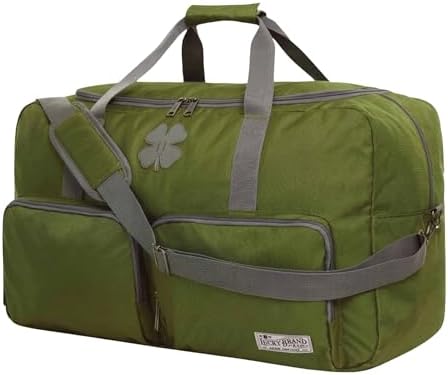
  • Features & Dimensions: This extra-large duffle bag features handle straps, an adjustable shoulder strap, and 2 front zip…
  • Carry On Bags for Airplanes: A perfect carry-on luggage bag for your travels. These lightweight Traveling Bags can be br…
  • Perfect Travel Bag: These carry on duffel bags for traveling from Lucky is perfect for overnight trips, vacations, hospi…

Protect Your Duffel From Moisture and Mud

Weather can change quickly while traveling. Therefore, it helps to think ahead if your bag may encounter rain, snow, mud, or wet surfaces.

If the manufacturer’s instructions permit it, an appropriate fabric protectant may add another layer of protection. However, never apply a treatment without checking compatibility with the bag’s material first.

In addition, avoid leaving a wet or muddy bag untreated after arriving home.

First, remove surface dirt. Then clean the affected areas using the correct method. Finally, allow the duffel to dry completely in a well-ventilated area.

This routine matters because moisture left inside folds, pockets, or seams can remain hidden longer than expected.

Be Careful With Odors Inside Your Travel Bag

Sometimes a duffel looks clean but does not smell fresh. Usually, trapped moisture, worn clothing, shoes, or food residue is responsible.

Therefore, unpack the bag soon after returning home.

Next, leave compartments open so air can circulate. If the care instructions allow it, wipe the interior gently and let it dry naturally.

In addition, use separate packing bags for shoes, laundry, or damp items whenever possible.

This simple organization strategy reduces direct contact between dirty items and the interior lining.

Moreover, packing cubes or organizers can make future cleaning easier because they create an additional barrier between your belongings and the bag.

Common Duffel Bag Care Mistakes to Avoid

Good maintenance is often about avoiding a few bad habits.

For instance, travelers sometimes store luggage immediately after returning home. However, doing so without checking for moisture, dirt, or forgotten items can create problems.

Other common mistakes include:

  • Storing the bag while damp
  • Using harsh cleaners without checking the label
  • Ignoring small tears or loose stitching
  • Forcing a stuck zipper
  • Regularly overpacking the bag
  • Leaving stains untreated for long periods
  • Placing extremely heavy objects on top of the bag
  • Machine washing without confirming that it is safe

Fortunately, most of these mistakes are easy to prevent.

Therefore, a simple post-trip routine can protect your travel gear without adding much work.

A Simple Post-Trip Duffel Bag Routine

Consistency makes maintenance easier. Instead of waiting until the bag looks dirty, create a quick routine after every major trip.

First, empty every compartment completely.

Next, shake out loose dirt and inspect the interior.

Then, check the exterior for stains, mud, or moisture.

Afterward, inspect the seams, straps, handles, and zippers.

If cleaning is necessary, follow the care label and use the gentlest appropriate method.

Finally, let the bag dry completely before storing it in a cool, dry location.

This routine may take only a few minutes. Nevertheless, repeating it can help reduce the gradual buildup of dirt and unnoticed wear.

  • Unique 180° Wide-Opening Design: Experience hassle-free packing with our travel bag novel opening method, allowing full …
  • Organized and Accessible: Say goodbye to the chaos of unorganized travel duffel bags. Our overnight bag features a large…
  • Aircraft Carry on Bag: Dimensions: Designed to meet most international carry-on requirements and can fit in the overhead…

When Is It Time to Replace a Duffel Bag?

Even excellent maintenance cannot make travel gear last forever.

Eventually, a bag may develop structural problems that affect how safely or comfortably you can use it. For example, damaged handles, severely weakened seams, unreliable closures, or extensive material deterioration may signal that replacement makes more sense than continued repair.

However, cosmetic wear alone does not always mean the bag has reached the end of its useful life.

Instead, focus on function.

Can the bag close securely? Are the straps dependable? Does the main structure remain strong? Can you carry it comfortably?

If the answer is yes, proper maintenance may allow you to keep using it.

On the other hand, if critical components are failing, replacing the bag can provide better reliability for future travel.

Choose Travel Gear With Long-Term Use in Mind

Buying a travel bag should not be only about appearance. Instead, consider how you actually travel.

Think about capacity, material, weight, handles, storage needs, and how frequently you expect to use the bag.

In addition, consider whether the design fits weekend trips, longer journeys, road travel, air travel, or your usual combination of activities.

A bag that matches your real travel habits is more likely to be used comfortably and maintained properly.

For travelers comparing new options, explore WrapUp travel bags and accessories designed around practical travel needs. 🧳✨

Make Your Travel Bag Last Longer

Taking care of durable duffel bags for travel does not require complicated maintenance. Instead, the most effective approach combines simple cleaning, proper drying, smart storage, regular inspection, and sensible packing.

Most importantly, deal with small problems early.

Clean stains before they become permanent. Dry moisture before storing the bag. Inspect seams before they separate further. Likewise, avoid forcing zippers or repeatedly overloading the bag.

As a result, your travel companion can stay cleaner, more functional, and ready for many more trips.

And when it is eventually time for something new, choose your next bag with durability, functionality, and your real travel habits in mind.

Travel smarter — explore WrapUp and find practical travel gear for your next adventure.