
A good duffel bag can travel with you for years. However, even durable duffel bags for travel need proper care to stay clean, functional, and ready for the next trip. Dirt, moisture, overpacking, and poor storage can slowly damage fabric, zippers, handles, and seams.
Fortunately, maintaining your travel bag does not require complicated routines. In fact, a few simple habits can make a noticeable difference. From cleaning stains quickly to storing your bag correctly, regular care can protect both its appearance and performance.
Moreover, smart maintenance helps you get more value from your travel gear. Instead of replacing a bag because of avoidable damage, you can preserve the one you already enjoy using. 🧳
So, how do you keep a duffel bag in great condition? Here is a practical guide for travelers who want their bags to last.
Why Durable Duffel Bags for Travel Still Need Proper Care
Durability does not mean a bag is indestructible. Instead, it means the materials and construction are designed to handle repeated use better. Nevertheless, every trip exposes a duffel to friction, dirt, pressure, moisture, and changing environments.
For example, your bag may rest on an airport floor, slide through a vehicle trunk, or sit beneath other luggage. Likewise, outdoor trips may expose it to sand, mud, rain, or dust.
As a result, small amounts of wear gradually accumulate.
Regular care helps reduce that damage. In addition, inspecting the bag between trips allows you to catch small problems before they become expensive or permanent.
A well-maintained duffel can also look better for longer. Therefore, caring for your bag is not only about durability. It is also about protecting the clean, organized look that makes traveling feel easier.
Think of Maintenance as Part of Smart Travel
Travelers often spend time organizing clothes, checking tickets, and planning transportation. However, luggage maintenance is easy to overlook.
That habit is worth changing.
After all, your bag protects many of the things you need during a trip. Therefore, giving it a few minutes of attention after traveling can help prepare it for the next journey.
Even better, routine maintenance usually takes less time than trying to repair heavy damage later.
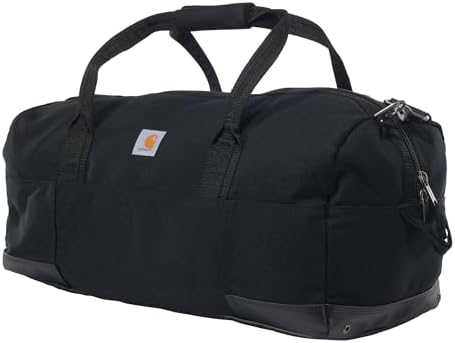
- 55L CLASSIC DUFFEL| Mid-size 55L Carhartt duffel with Duravax base protection the ideal bag for multi-day trips, gym hau…
- 1200D POLYESTER + DURAVAX BASE| Rugged 1200-denier polyester with Rain Defender DWR and a Duravax abrasion-resistant bas…
- SPACIOUS ORGANIZATION| Large main compartment plus multiple interior zippered pockets give you plenty of room to pack ev…
How to Clean a Duffel Bag Without Damaging It
Before cleaning any travel bag, first check the manufacturer’s care label. Different materials require different cleaning methods, and a technique that works for one fabric may damage another.
In addition, empty every pocket before you begin. Remove receipts, tags, wrappers, coins, and other small objects. Then shake the bag gently to remove loose dirt or debris.
Whenever possible, start with the least aggressive cleaning method. This approach reduces unnecessary stress on the material.
Cleaning Nylon and Polyester Duffel Bags
Nylon and polyester are common choices for travel gear because they can be lightweight and practical. However, they still collect surface dirt.
First, use a soft damp cloth to wipe the exterior. If necessary, add a small amount of mild soap to the cloth.
Next, focus on stained areas instead of soaking the entire bag. Gentle spot cleaning is often enough for everyday dirt.
Moreover, stains are usually easier to address when they are fresh. Therefore, do not leave spills or grime untreated for several trips.
After cleaning, use a separate damp cloth to remove remaining soap. Finally, allow the bag to air-dry completely before storing it.
☝️ Travel tip: Never store a bag while it is still damp. Trapped moisture can create unpleasant odors and may encourage mildew.
Cleaning Canvas Duffel Bags
Canvas often has a different texture and may hold dirt more visibly. Therefore, gentle cleaning is especially important.
Start with a soft sponge or cloth and mild soapy water. Then work carefully over the dirty area without aggressively scrubbing the fabric.
Although some canvas bags may be machine washable, others are not. For that reason, always follow the manufacturer’s instructions before placing a bag in a washing machine.
In addition, avoid assuming that a strong detergent will clean better. Harsh cleaning products can affect color, coatings, or surface finishes.
When in doubt, test a small hidden area first.
For additional general fabric-care information, travelers can also consult resources from the American Cleaning Institute.
Why Spot Cleaning Is Often the Smarter Choice
A full wash may seem like the easiest solution. However, frequent washing can be unnecessary.
Instead, spot cleaning allows you to target stains while limiting exposure to water and detergent. As a result, the bag experiences less overall stress.
For example, if one corner becomes dirty during a weekend trip, there may be no reason to wash the entire duffel.
Likewise, handles and bottom panels often collect dirt faster than the rest of the bag. Therefore, cleaning these high-contact areas individually can be more efficient.
Most importantly, always follow the care instructions for your specific product.

- BUILT FOR THE GYM-AND-TRAVEL ROTATION: A roomy main compartment holds a full load — cleats, training apparel, a change o…
- AIRS OUT WET CLEATS AND GEAR: A dedicated zippered shoe compartment with ventilation keeps cleats, sneakers and sweaty p…
- STAYS DRY ON WET FLOORS AND FIELDS: A water-resistant base helps keep contents dry on locker room floors, rainy parking …
How to Store Your Duffel Bag Between Trips
Proper storage is just as important as cleaning. In fact, even a perfectly clean duffel can develop problems if it is placed in the wrong environment.
First, choose a cool and dry storage space. Avoid damp garages, wet basements, or areas where humidity regularly builds up.
Next, make sure the bag is completely dry before putting it away.
If possible, store it in breathable packaging or a clean cotton storage bag. This helps protect it from dust while still allowing airflow.
On the other hand, sealing a slightly damp bag inside airtight plastic can trap moisture. Therefore, breathable storage is generally a better choice when appropriate for the material.
Keep the Bag’s Shape in Mind
Duffel bags are flexible by design. However, repeatedly crushing them beneath heavy objects may create deep creases or place unnecessary stress on structured areas.
Instead, store the bag where it will not be constantly compressed.
You can also place clean, lightweight material inside the bag to help maintain its shape. Nevertheless, avoid overstuffing it during storage.
Additionally, keep straps arranged neatly rather than twisted around other objects. Small habits like these can help maintain the bag’s appearance between trips.
Inspect Zippers, Seams, Handles, and Straps
Cleaning is only one part of duffel bag care. Regular inspection is equally important.
Before or after each major trip, take a few minutes to examine the areas that receive the most stress.
Pay particular attention to:
- Zippers and zipper pulls
- Handles and attachment points
- Shoulder straps
- Seams and stitching
- Bottom corners
- Exterior pockets
- Wheels or hardware, when applicable
For example, a loose thread may appear harmless at first. However, repeated pulling can gradually weaken a seam.
Similarly, a zipper that suddenly becomes difficult to move deserves attention. Forcing it may create additional damage.
Therefore, identifying these warning signs early can help prevent a small issue from becoming a major problem. 🔎
Avoid Overpacking Your Duffel Bag
A large travel bag can make it tempting to add one more item. Then another. However, constantly pushing a duffel beyond a comfortable capacity can create unnecessary strain.
Overpacking places pressure on seams, zippers, handles, and attachment points. In addition, an extremely full bag can become more difficult to carry and organize.
Instead, pack according to the bag’s intended capacity.
If you regularly struggle to close the zipper, your current bag may not be the right size for that type of trip.
Therefore, choosing an appropriately sized travel bag is part of protecting it.
Leave a Little Space When Possible
You do not need to leave half the bag empty. However, allowing a reasonable amount of space reduces tension and makes packing easier.
Moreover, extra room can be useful during the return trip. Travelers often come home with souvenirs, purchases, or items packed differently than before.
As a result, a little flexibility can improve both convenience and bag longevity.
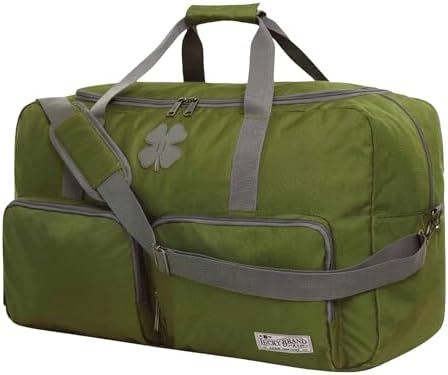
- Features & Dimensions: This extra-large duffle bag features handle straps, an adjustable shoulder strap, and 2 front zip…
- Carry On Bags for Airplanes: A perfect carry-on luggage bag for your travels. These lightweight Traveling Bags can be br…
- Perfect Travel Bag: These carry on duffel bags for traveling from Lucky is perfect for overnight trips, vacations, hospi…
Protect Your Duffel From Moisture and Mud
Weather can change quickly while traveling. Therefore, it helps to think ahead if your bag may encounter rain, snow, mud, or wet surfaces.
If the manufacturer’s instructions permit it, an appropriate fabric protectant may add another layer of protection. However, never apply a treatment without checking compatibility with the bag’s material first.
In addition, avoid leaving a wet or muddy bag untreated after arriving home.
First, remove surface dirt. Then clean the affected areas using the correct method. Finally, allow the duffel to dry completely in a well-ventilated area.
This routine matters because moisture left inside folds, pockets, or seams can remain hidden longer than expected.
Be Careful With Odors Inside Your Travel Bag
Sometimes a duffel looks clean but does not smell fresh. Usually, trapped moisture, worn clothing, shoes, or food residue is responsible.
Therefore, unpack the bag soon after returning home.
Next, leave compartments open so air can circulate. If the care instructions allow it, wipe the interior gently and let it dry naturally.
In addition, use separate packing bags for shoes, laundry, or damp items whenever possible.
This simple organization strategy reduces direct contact between dirty items and the interior lining.
Moreover, packing cubes or organizers can make future cleaning easier because they create an additional barrier between your belongings and the bag.
Common Duffel Bag Care Mistakes to Avoid
Good maintenance is often about avoiding a few bad habits.
For instance, travelers sometimes store luggage immediately after returning home. However, doing so without checking for moisture, dirt, or forgotten items can create problems.
Other common mistakes include:
- Storing the bag while damp
- Using harsh cleaners without checking the label
- Ignoring small tears or loose stitching
- Forcing a stuck zipper
- Regularly overpacking the bag
- Leaving stains untreated for long periods
- Placing extremely heavy objects on top of the bag
- Machine washing without confirming that it is safe
Fortunately, most of these mistakes are easy to prevent.
Therefore, a simple post-trip routine can protect your travel gear without adding much work.
A Simple Post-Trip Duffel Bag Routine
Consistency makes maintenance easier. Instead of waiting until the bag looks dirty, create a quick routine after every major trip.
First, empty every compartment completely.
Next, shake out loose dirt and inspect the interior.
Then, check the exterior for stains, mud, or moisture.
Afterward, inspect the seams, straps, handles, and zippers.
If cleaning is necessary, follow the care label and use the gentlest appropriate method.
Finally, let the bag dry completely before storing it in a cool, dry location.
This routine may take only a few minutes. Nevertheless, repeating it can help reduce the gradual buildup of dirt and unnoticed wear.

- Unique 180° Wide-Opening Design: Experience hassle-free packing with our travel bag novel opening method, allowing full …
- Organized and Accessible: Say goodbye to the chaos of unorganized travel duffel bags. Our overnight bag features a large…
- Aircraft Carry on Bag: Dimensions: Designed to meet most international carry-on requirements and can fit in the overhead…
When Is It Time to Replace a Duffel Bag?
Even excellent maintenance cannot make travel gear last forever.
Eventually, a bag may develop structural problems that affect how safely or comfortably you can use it. For example, damaged handles, severely weakened seams, unreliable closures, or extensive material deterioration may signal that replacement makes more sense than continued repair.
However, cosmetic wear alone does not always mean the bag has reached the end of its useful life.
Instead, focus on function.
Can the bag close securely? Are the straps dependable? Does the main structure remain strong? Can you carry it comfortably?
If the answer is yes, proper maintenance may allow you to keep using it.
On the other hand, if critical components are failing, replacing the bag can provide better reliability for future travel.
Choose Travel Gear With Long-Term Use in Mind
Buying a travel bag should not be only about appearance. Instead, consider how you actually travel.
Think about capacity, material, weight, handles, storage needs, and how frequently you expect to use the bag.
In addition, consider whether the design fits weekend trips, longer journeys, road travel, air travel, or your usual combination of activities.
A bag that matches your real travel habits is more likely to be used comfortably and maintained properly.
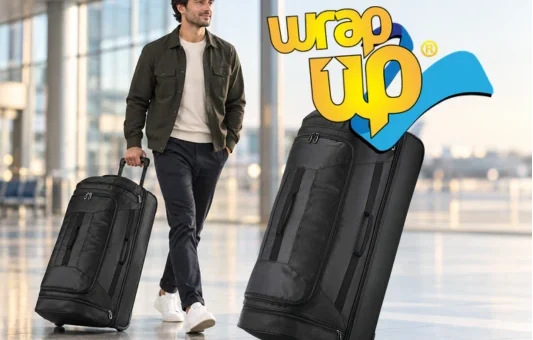
For travelers comparing new options, explore WrapUp travel bags and accessories designed around practical travel needs. 🧳✨
Make Your Travel Bag Last Longer
Taking care of durable duffel bags for travel does not require complicated maintenance. Instead, the most effective approach combines simple cleaning, proper drying, smart storage, regular inspection, and sensible packing.
Most importantly, deal with small problems early.
Clean stains before they become permanent. Dry moisture before storing the bag. Inspect seams before they separate further. Likewise, avoid forcing zippers or repeatedly overloading the bag.
As a result, your travel companion can stay cleaner, more functional, and ready for many more trips.
And when it is eventually time for something new, choose your next bag with durability, functionality, and your real travel habits in mind.
Travel smarter — explore WrapUp and find practical travel gear for your next adventure.
🌍 Follow us and stay connected!
Discover our products, travel tips, exclusive discounts, and much more ✈️🎒


Hi, I’m Emerson Luzardo, founder of Luzarcan Group Inc., the parent company of WrapToGo and WrapUpShop. I’m a coach, speaker, and facilitator in Neuro-Linguistic Programming (NLP), with a focus on neuroscience and human behavior. Through my projects, I aim to transform the way individuals and businesses connect with their goals, their brand, and their environment.
Based in Miami, I combine my business experience with applied neuroscience knowledge, helping others enhance their skills, overcome obstacles, and achieve extraordinary results. I also share insights, lessons, and strategies on my social media platforms.
Thank you for reading and joining me on this journey of growth and transformation.








Recent Comments